The Land of Morning Calm
Introduction
South Korea, officially the Republic of Korea, stands as one of Asia’s most captivating destinations where ancient traditions harmoniously coexist with cutting-edge technology and modern innovation. Located on the southern portion of the Korean Peninsula, this dynamic nation offers travelers an extraordinary blend of royal palaces, Buddhist temples, futuristic cities, pristine mountains, and picturesque islands.
Known as the “Land of Morning Calm,” South Korea has emerged from its historical “Hermit Kingdom” isolation to become a global cultural powerhouse. The Korean Wave (Hallyu) – encompassing K-pop, K-dramas, cinema, and cuisine – has captivated audiences worldwide, making South Korea one of the most sought-after tourist destinations in Asia. From Seoul’s neon-lit streets and historic hanok villages to Busan’s beautiful beaches and Jeju’s volcanic landscapes, South Korea presents remarkable diversity within a compact, accessible geography.
For travelers from the UAE, South Korea offers exceptional convenience with visa-free entry for UAE nationals for stays up to 90 days, making it an ideal destination for both short getaways and extended cultural explorations.
Quick Facts
Table 1: Essential South Korea Travel Information
General Entry Requirements
-
Customs declaration form (provided on arrival)
-
Sufficient funds for stay duration
-
Travel insurance recommended
-
No prohibited items (drugs, weapons, counterfeit goods)
-
Health declaration may be required depending on global health situations
Top Destinations in South Korea
1. Seoul – The Dynamic Capital
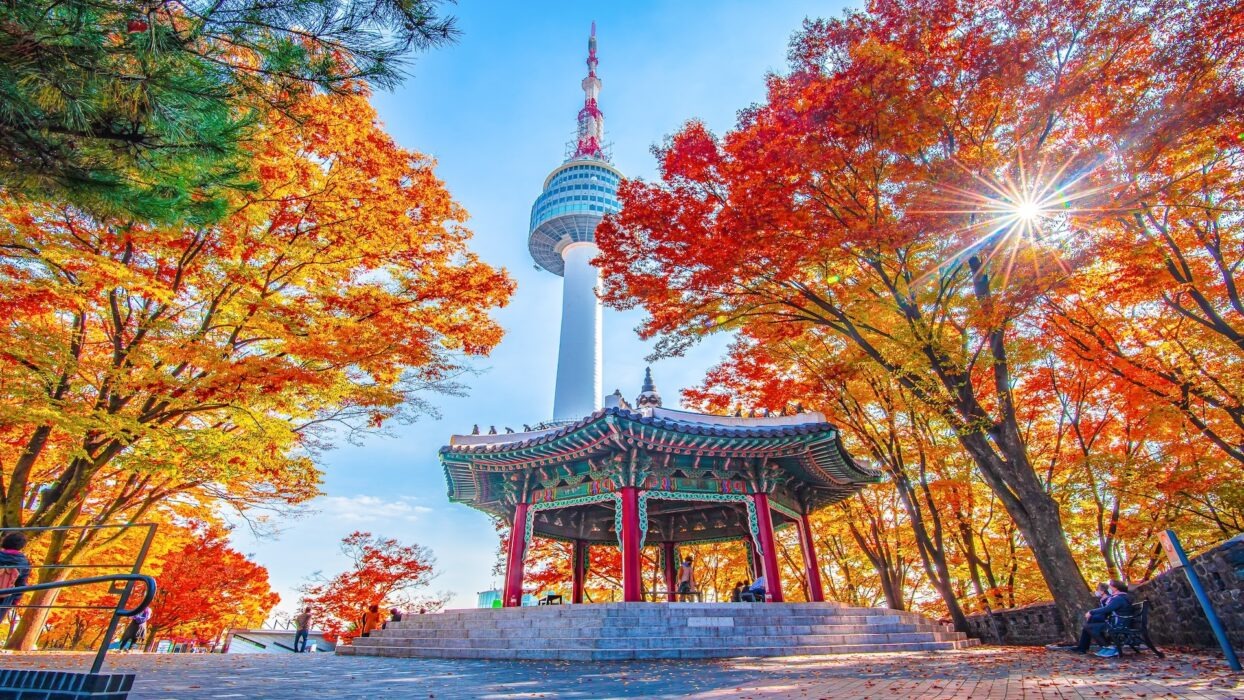
Seoul, South Korea’s vibrant capital and largest city, is a mesmerizing metropolis of over 10 million people where 600 years of Joseon dynasty history meets ultra-modern skyscrapers, K-pop culture, and technological innovation.
Major Attractions:
Gyeongbokgung Palace – The largest and most iconic of Seoul’s Five Grand Palaces, built in 1395 as the main royal palace of the Joseon dynasty. Visitors can witness the traditional changing of the guard ceremony, explore the National Palace Museum, and wander through beautiful pavilions and gardens. Renting traditional hanbok costumes grants free entry and creates memorable photo opportunities.
Bukchon Hanok Village – A preserved residential neighborhood featuring over 800 traditional Korean hanok houses with characteristic curved tile roofs, wooden beams, and ondol (underfloor heating). The village’s hilltop location offers stunning views of the modern Seoul skyline creating a striking contrast between old and new.
N Seoul Tower (Namsan Tower) – Seoul’s most recognizable landmark perched atop Namsan Mountain, offering 360-degree panoramic city views. The observation deck, revolving restaurant, and famous “love lock” terraces make it popular for couples and photographers. Cable car access available, or hike through scenic Namsan Park trails.
Changdeokgung Palace and Secret Garden – A UNESCO World Heritage Site renowned for its beautiful architecture harmoniously integrated with natural landscape. The Secret Garden (Huwon) features lotus ponds, pavilions, centuries-old trees, and seasonal flowers. Advance booking required for guided Secret Garden tours.
Myeongdong Shopping District – Seoul’s premier shopping paradise featuring international brands, Korean cosmetics stores, street food stalls, and the vibrant Myeongdong Night Market. Sample tteokbokki (spicy rice cakes), hotteok (sweet pancakes), and other Korean street food specialties.
Dongdaemun Design Plaza (DDP) – Zaha Hadid’s futuristic architectural masterpiece featuring flowing silver curves housing design exhibitions, fashion shows, and creative markets. The 24-hour shopping complexes surrounding DDP cater to every budget.
Gwangjang Market – Seoul’s oldest traditional market (since 1905) famous for authentic Korean street food. Try bindaetteok (mung bean pancakes), mayak gimbap (addictive mini seaweed rolls), and bibimbap at market stalls frequented by locals.
Insadong – Seoul’s cultural heart featuring traditional tea houses, antique shops, art galleries, and craft stores. The pedestrian-friendly street transforms into a car-free zone on weekends, perfect for leisurely exploration.
Itaewon District – Seoul’s most cosmopolitan neighborhood offering diverse international cuisine, trendy bars, unique boutiques, and vibrant nightlife. The area has become synonymous with Seoul’s creative and inclusive culture.
Korean Demilitarized Zone (DMZ) – Half-day or full-day tours from Seoul offer sobering insights into the Korean War and ongoing division between North and South Korea. Visit the Joint Security Area (JSA), Third Infiltration Tunnel, Dora Observatory overlooking North Korea, and Dorasan Station.
2. Busan – Korea’s Coastal Gem
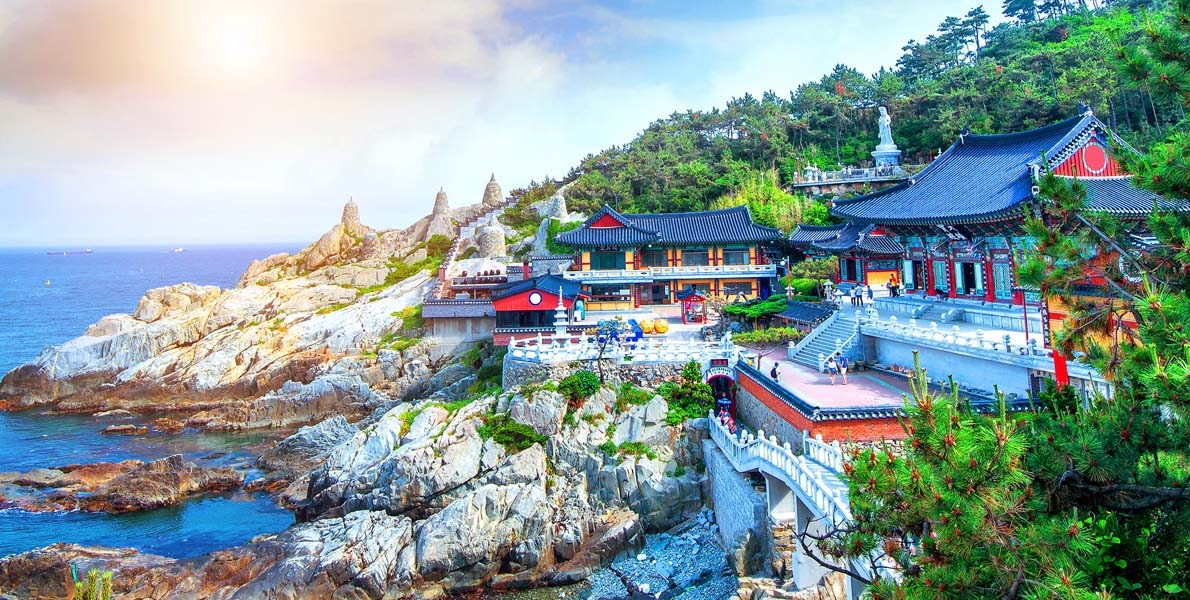
South Korea’s second-largest city and principal seaport, Busan offers a refreshing contrast to Seoul with its stunning beaches, seafood markets, mountain temples, and more relaxed coastal atmosphere.
Key Attractions:
Haeundae Beach – Korea’s most famous beach featuring a 1.5-kilometer stretch of white sand, modern beachfront hotels, and the scenic Haeundae Blueline Park coastal railway with sky capsule cable cars offering breathtaking ocean views.
Gamcheon Culture Village – Often called the “Machu Picchu of Busan,” this hillside village features brightly painted houses in pastel rainbow colors, winding alleys, art installations, cafés, and stunning harbor views. Originally a refugee settlement during the Korean War, it has transformed into an artistic community and Instagram hotspot.
Haedong Yonggungsa Temple – Unlike most Korean Buddhist temples located in mountains, this stunning seaside temple perches dramatically on coastal cliffs with waves crashing below. Visit at sunrise for magical lighting and fewer crowds. The location offers both spiritual serenity and spectacular ocean scenery.
Gwangalli Beach – Popular evening destination offering beautiful views of illuminated Gwangan Bridge (Diamond Bridge). The beach promenade features numerous restaurants, bars, and cafés. Major festivals and fireworks displays are held here throughout the year.
Jagalchi Fish Market – Korea’s largest seafood market where visitors can purchase fresh catches and have them prepared immediately at upstairs restaurants. Experience authentic Busan culture and sample the freshest sashimi, grilled fish, and seafood stews.
Busan Tower (Yongdusan Park) – Historic observation tower providing panoramic views of Busan port, surrounding mountains, and cityscape. The park features cultural monuments and is especially beautiful during cherry blossom season.
The Bay 101 – Modern waterfront complex with luxury yachts, upscale dining, and stunning night views of illuminated high-rises reflected in the marina waters.
Taejongdae Resort Park – Natural park on coastal cliffs featuring dense forest, lighthouse, observatory, and dramatic rock formations. Accessible via shuttle train around the park perimeter.
3. Jeju Island – Korea’s Island Paradise
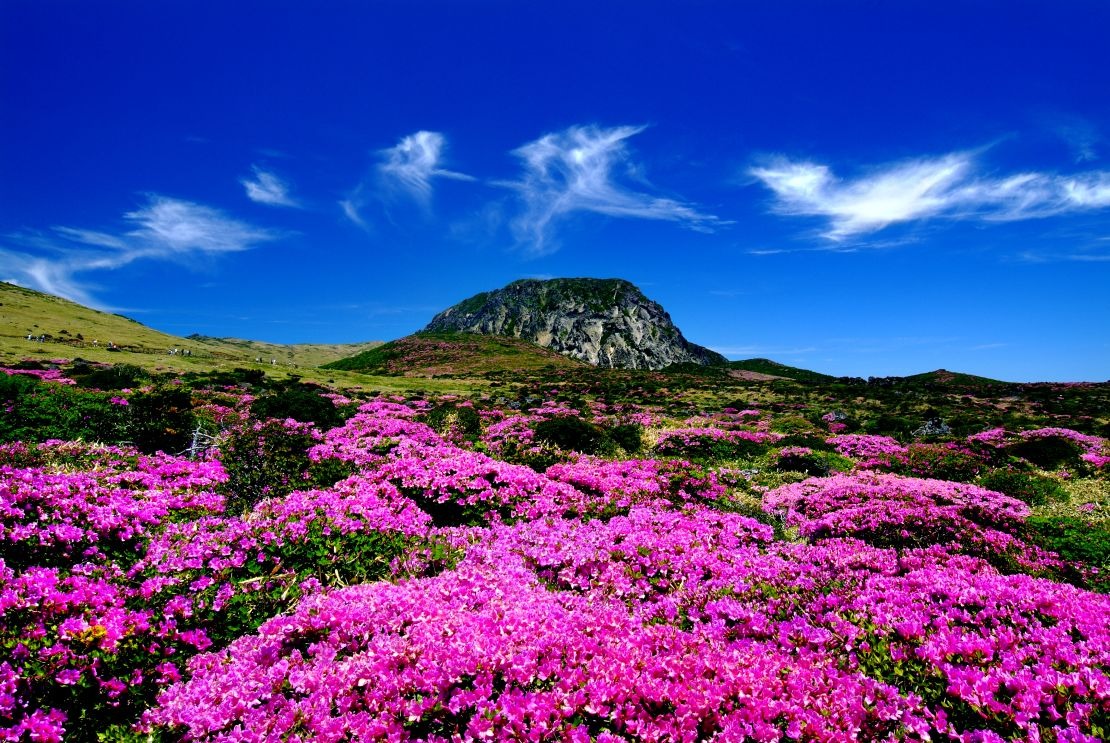
Often called the “Hawaii of South Korea,” Jeju is a volcanic island offering stunning natural beauty, unique culture, beaches, waterfalls, and Korea’s highest mountain. The island’s subtropical climate, visa-free entry for many nationalities, and diverse attractions make it one of Asia’s premier island destinations.
Major Attractions:
Hallasan National Park and Hallasan Mountain – South Korea’s highest peak (1,950 meters) and dormant volcano features multiple hiking trails leading to the summit crater lake. The mountain offers spectacular views, diverse flora including rare alpine plants, and seasonal beauty from spring wildflowers to autumn foliage.
Seongsan Ilchulbong (Sunrise Peak) – A UNESCO World Heritage Site featuring a dramatic volcanic tuff cone rising from the sea. The sunrise view from the summit is legendary, though the climb is steep. The surrounding coastal area includes black sand beaches and traditional women divers (haenyeo) demonstrations.
Jeju Olle Trail – A network of 26 connected walking routes totaling over 400 kilometers circling the island. Each trail showcases different aspects of Jeju’s coastal and inland beauty, from volcanic landscapes to traditional villages.
Manjanggul Lava Tube – One of the world’s longest lava tube caves (8 kilometers total, 1 kilometer open to visitors), formed by volcanic eruptions. The cave features impressive lava formations, lava columns, and maintains a constant cool temperature year-round.
Woljeongri Beach – Jeju’s most picturesque beach featuring white sand, emerald waters, and pine tree forests. The area has developed into a trendy district with stylish cafés, restaurants, and boutiques.
Jeju Folk Village Museum – Open-air museum showcasing over 100 traditional Jeju houses and buildings, demonstrating the island’s unique culture and architecture distinct from mainland Korea.
Ecoland Theme Park – Scenic train ride through Jeju’s Gotjawal Forest, featuring five themed stations with gardens, lakes, and photo opportunities amidst pristine nature.
Arte Museum Jeju – Immersive digital art museum featuring stunning projected installations combining nature themes with technology.
Waterfalls – Multiple spectacular waterfalls including Jeongbang Falls (only waterfall in Asia falling directly into the ocean), Cheonjiyeon Falls, and Cheonjeyon Falls.
4. Gyeongju – Museum Without Walls
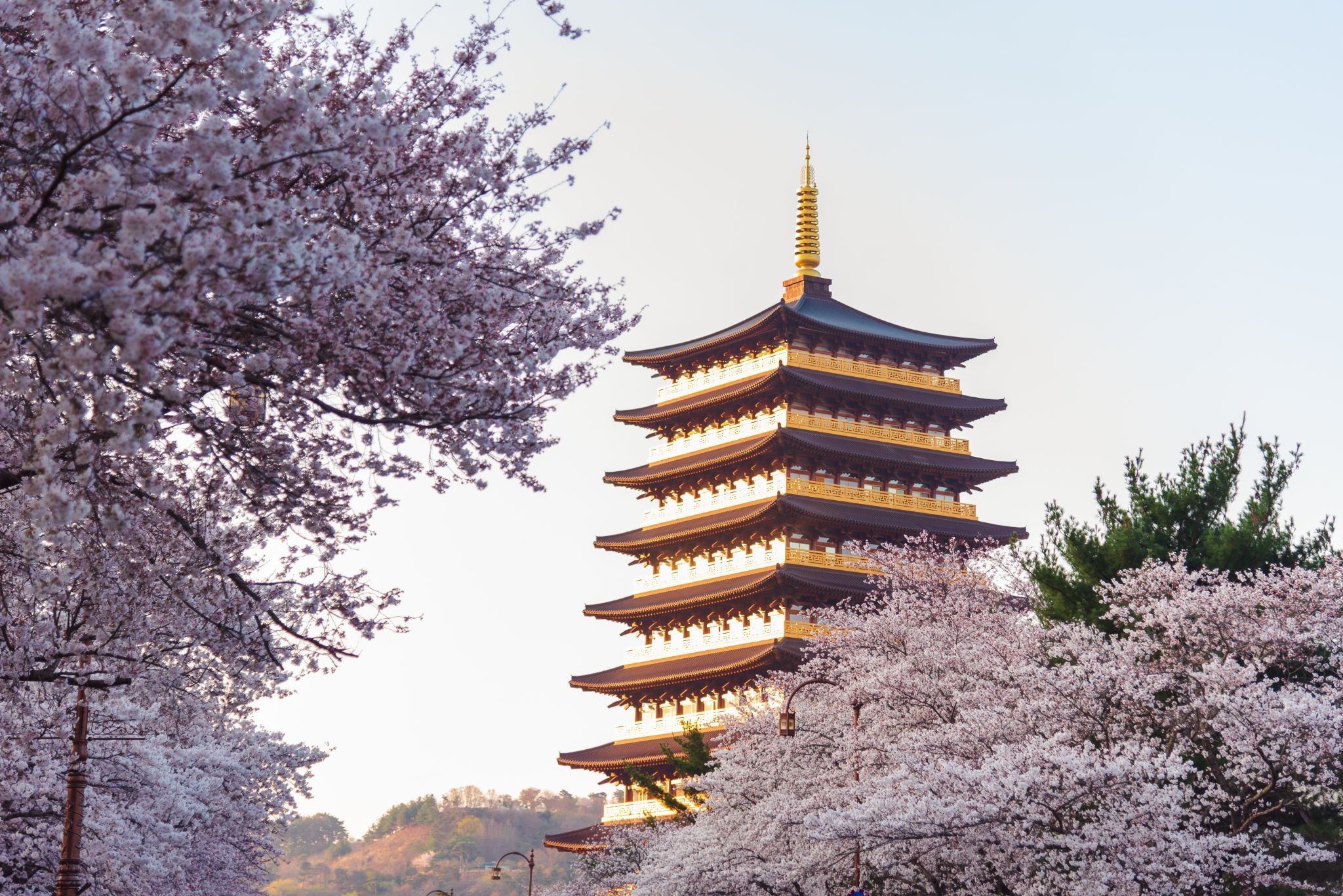
Once the capital of the ancient Silla Kingdom (57 BC – 935 AD) for nearly 1,000 years, Gyeongju is an open-air museum featuring numerous UNESCO World Heritage Sites, royal tombs, Buddhist temples, and historical artifacts.
Key Sites:
-
Bulguksa Temple: Masterpiece of Buddhist architecture and UNESCO site featuring elaborate stone bridges, pagodas, and Buddha statues from the 8th century
-
Seokguram Grotto: Artificial cave temple with magnificent granite Buddha statue overlooking the East Sea, considered finest example of Buddhist sculpture in Korea
-
Tumuli Park (Daereungwon): Area containing over 20 large ancient burial mounds of Silla royalty, including Cheonmachong (Heavenly Horse Tomb) open to visitors
-
Cheomseongdae Observatory: Asia’s oldest existing astronomical observatory, built in 7th century
-
Anapji Pond (Donggung Palace): Beautiful palace complex with pavilions reflected in large ornamental pond, spectacular when illuminated at night
-
Gyeongju National Museum: Houses extensive collection of Silla kingdom artifacts including golden crowns and Buddhist art
5. Jeonju – Culinary Capital
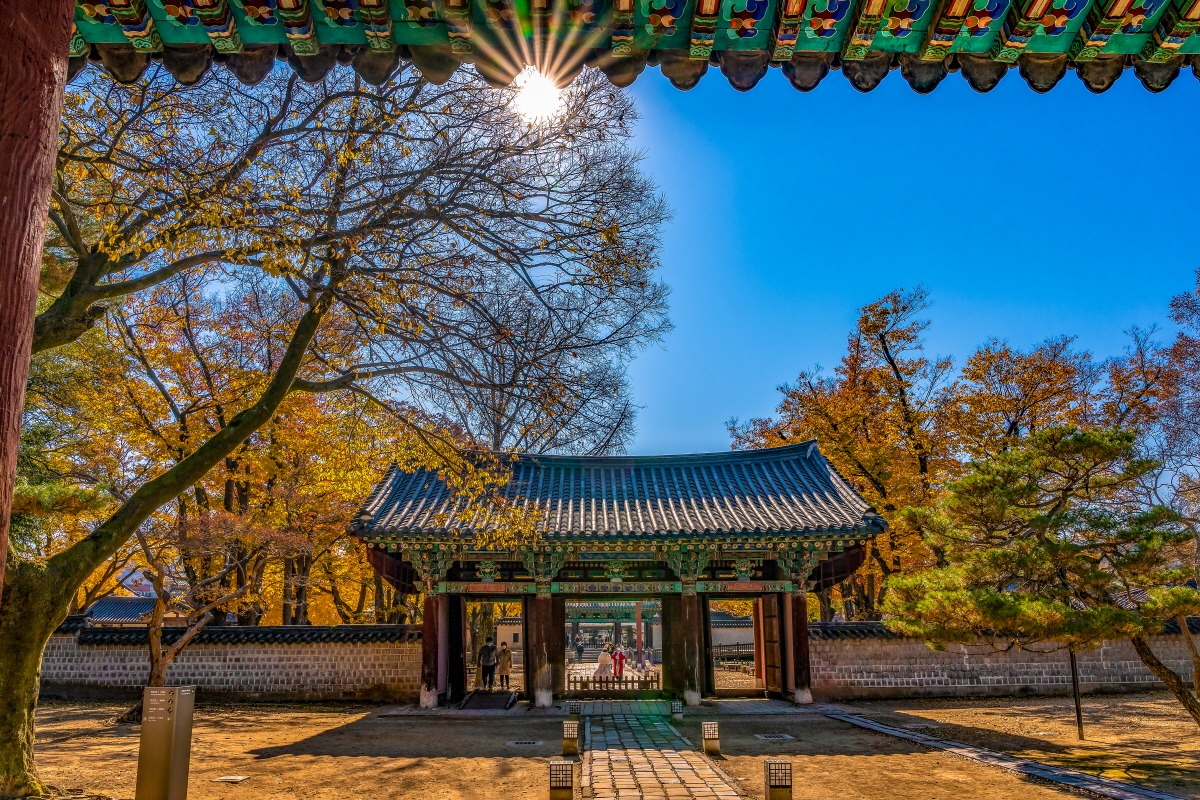
Historic city renowned as the birthplace of bibimbap and center of traditional Korean cuisine. Jeonju’s well-preserved hanok village is one of Korea’s largest traditional residential areas.
Highlights:
-
Jeonju Hanok Village: Over 800 traditional Korean houses with characteristic curved roofs, now housing guesthouses, restaurants, tea houses, and craft shops
-
Gyeonggijeon Shrine: Confucian shrine housing portrait of Yi Seong-gye, founder of Joseon dynasty
-
Omokdae and Imokdae Pavilions: Hilltop viewpoints offering panoramic views over hanok village
-
Traditional Cuisine: Sample authentic Jeonju bibimbap (mixed rice with vegetables), kongnamul gukbap (bean sprout soup), and makgeolli (rice wine)
-
Hanbok Rental: Rent traditional Korean dress for memorable photos throughout village
6. Seoraksan National Park
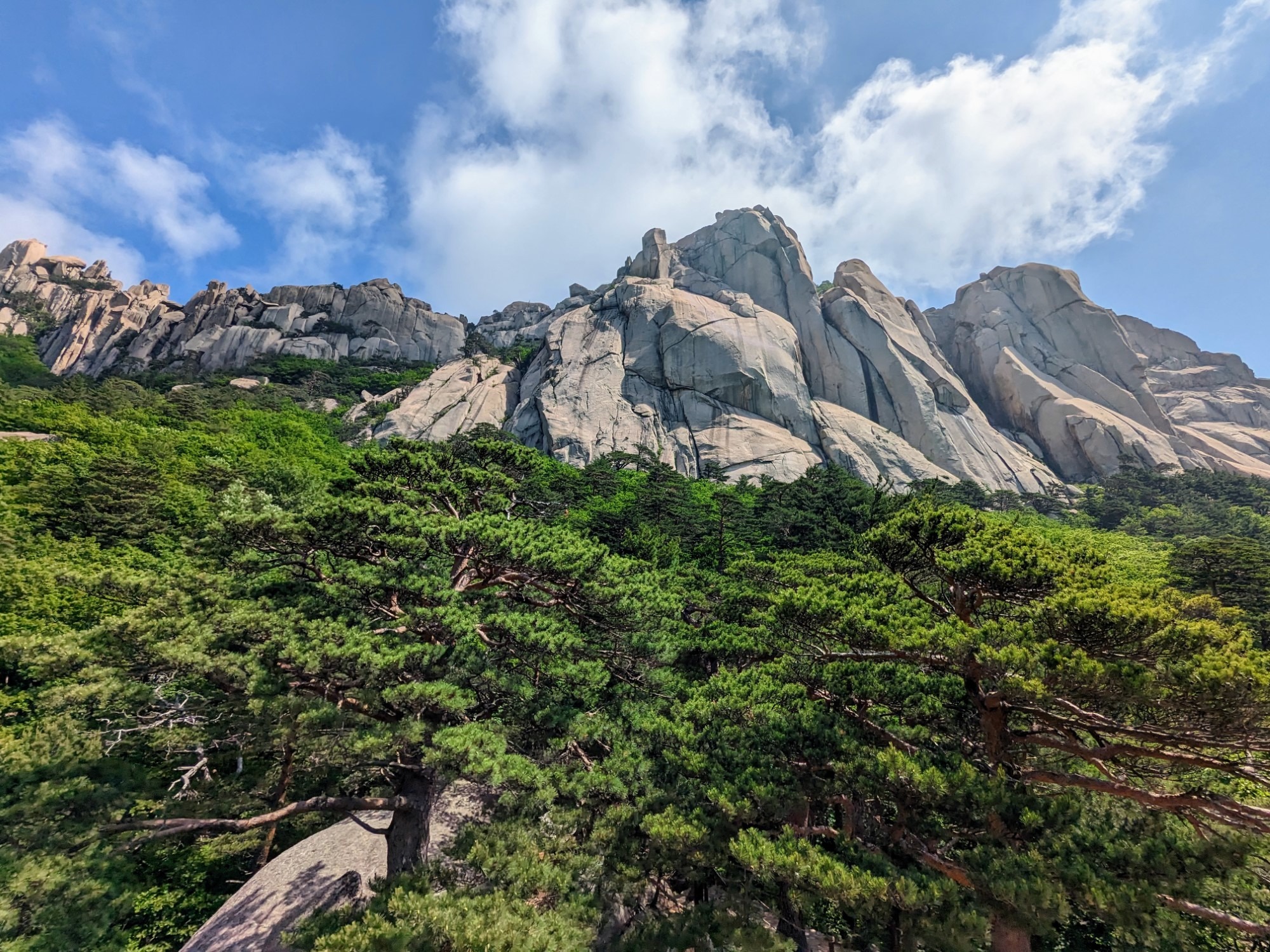
Korea’s most spectacular mountain national park features dramatic granite peaks, dense forests, Buddhist temples, and diverse wildlife. Located in northeastern Gangwon Province, Seoraksan offers some of Korea’s best hiking.
Features:
-
Ulsanbawi Rock Trail: Challenging hike to distinctive rock formation with panoramic mountain views
-
Sinheungsa Temple: Ancient Buddhist temple housing large bronze Buddha statue
-
Biryong Falls: Beautiful waterfall accessible via scenic forest trail
-
Cable Car: Easy access to Gwongeumseong Fortress ruins and mountain viewpoints
-
Seasonal Beauty: Cherry blossoms in spring, green forests in summer, spectacular autumn foliage, winter snow landscapes
7. Andong – Traditional Culture Heartland
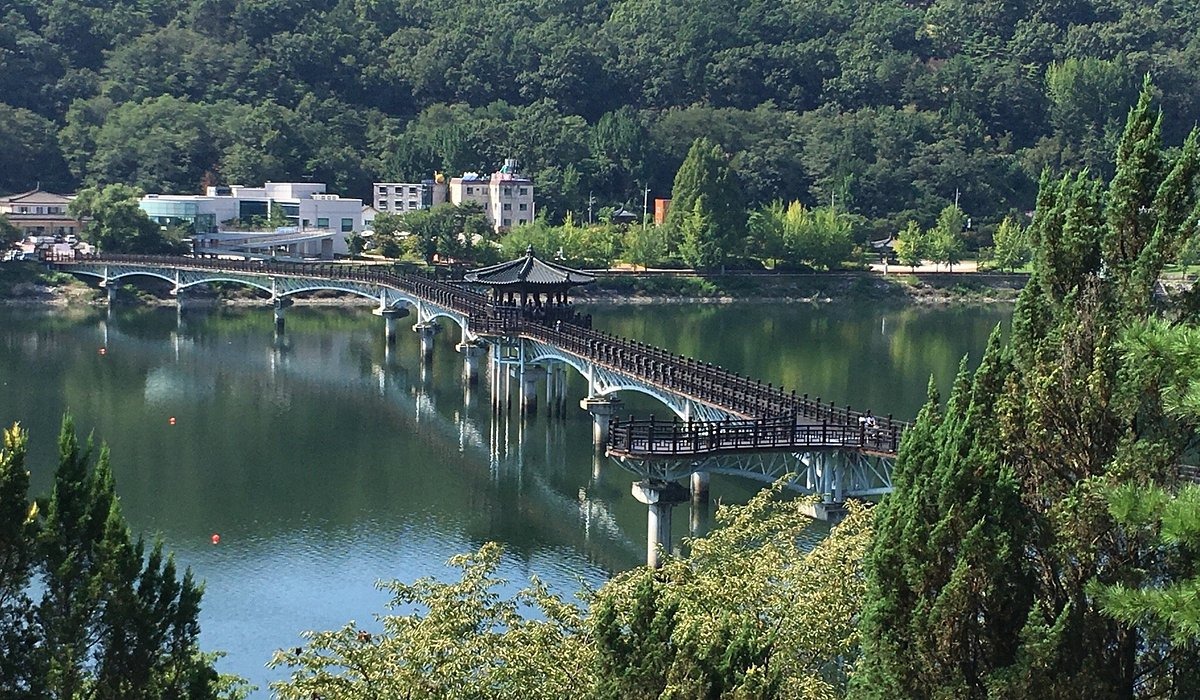
City preserving Korea’s most authentic Confucian traditions and folk culture.
Attractions:
-
Hahoe Folk Village: UNESCO World Heritage Site – living village where residents maintain traditional lifestyle in 500-year-old houses
-
Andong Mask Dance Festival: Annual celebration of traditional Korean mask dance drama (September-October)
-
Dosan Seowon: Confucian academy in stunning mountain setting
-
Andong Soju: Sample traditional distilled liquor at local breweries
8. Gangwon Province – Natural Wonders
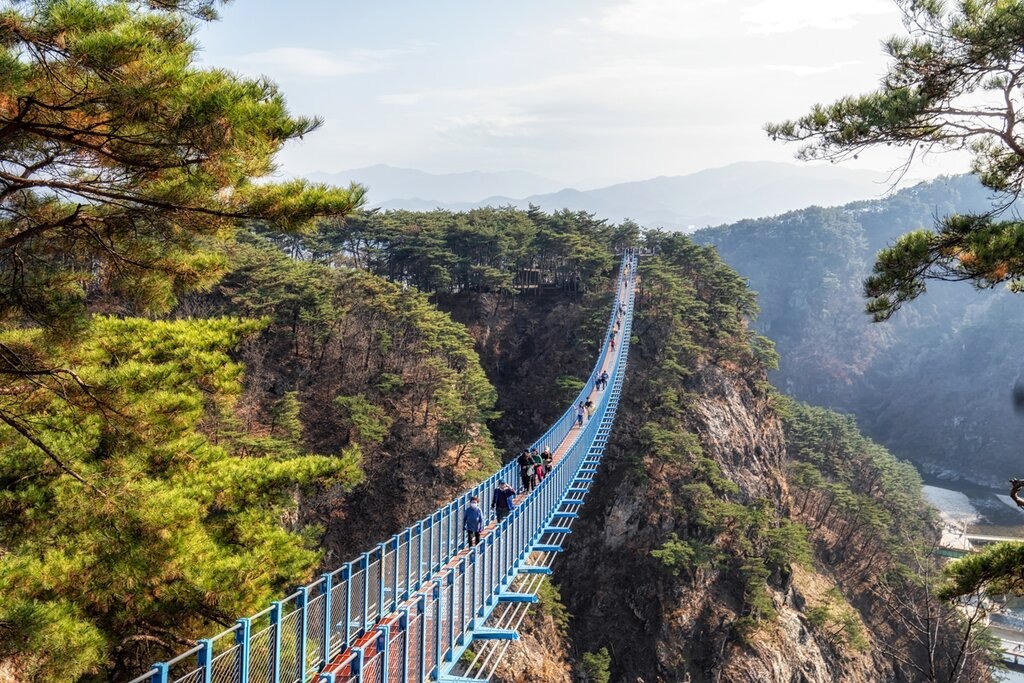
Mountainous northeastern province offering outdoor adventures, coastal beauty, and winter sports.
Highlights:
-
Nami Island: Tree-lined paths and filming location of famous Korean drama “Winter Sonata”
-
Gangneung: Coastal city with beautiful beaches and strong coffee culture
-
Pyeongchang: Host city of 2018 Winter Olympics, premier ski resort destination
-
Sokcho: Gateway to Seoraksan, fishing port with excellent seafood
Suggested Itineraries
5-Day Seoul & Surroundings Express
Day 1: Historic Seoul
-
Morning: Gyeongbokgung Palace, changing of guard ceremony
-
Afternoon: Bukchon Hanok Village exploration, traditional tea house
-
Evening: Insadong cultural street, traditional dinner
Day 2: Modern Seoul
-
Morning: Myeongdong shopping district
-
Afternoon: Dongdaemun Design Plaza, shopping complexes
-
Evening: N Seoul Tower sunset views, Namsan Park
Day 3: DMZ & Traditional Market
-
Morning: DMZ half-day tour (JSA, tunnels, Dora Observatory)
-
Afternoon: Return to Seoul, Gwangjang Market food tour
-
Evening: Itaewon district dining and nightlife
Day 4: Day Trip to Suwon
-
Full day: UNESCO-listed Hwaseong Fortress, Korean Folk Village
-
Evening: Return to Seoul, Han River cruise or park
Day 5: Palace & Departure
-
Morning: Changdeokgung Palace and Secret Garden tour
-
Afternoon: Last-minute shopping, departure preparations
7-Day Seoul to Busan Journey
Combines 3 days Seoul (Days 1-3 above) with:
Day 4: Seoul to Gyeongju
-
Morning: KTX high-speed train to Gyeongju (2.5 hours)
-
Afternoon: Bulguksa Temple, Seokguram Grotto
-
Evening: Anapji Pond illumination, overnight Gyeongju
Day 5: Gyeongju to Busan
-
Morning: Tumuli Park, Cheomseongdae Observatory
-
Afternoon: Transfer to Busan (1 hour), check-in
-
Evening: Gwangalli Beach and bridge views
Day 6: Busan Exploration
-
Morning: Haedong Yonggungsa Temple
-
Afternoon: Haeundae Beach, Blueline Park sky capsule
-
Evening: The Bay 101 marina district
Day 7: Busan & Departure
-
Morning: Gamcheon Culture Village
-
Afternoon: Jagalchi Fish Market lunch, last-minute shopping
-
Evening: Departure from Busan or return to Seoul
10-Day Grand Korea Tour
Expands 7-day itinerary with:
Days 1-5: Seoul and Gyeongju (as above)
Day 6: Busan Coastal Highlights
Day 7: Jeonju Cultural Experience
-
Morning: Travel to Jeonju
-
Afternoon: Hanok Village, hanbok rental experience
-
Evening: Authentic Jeonju bibimbap, traditional guesthouse stay
Day 8-10: Jeju Island
-
Day 8: Flight to Jeju, eastern region (Seongsan Ilchulbong, Manjanggul Cave)
-
Day 9: Hallasan hiking or southern region (waterfalls, folk village)
-
Day 10: Western region (beaches, cafés), return flight
Korean Cuisine – A Culinary Adventure
Korean cuisine has achieved global recognition for its bold flavors, healthy ingredients, fermented foods, and distinctive cooking techniques. From fiery kimchi to comforting stews, Korean food offers adventure for every palate.
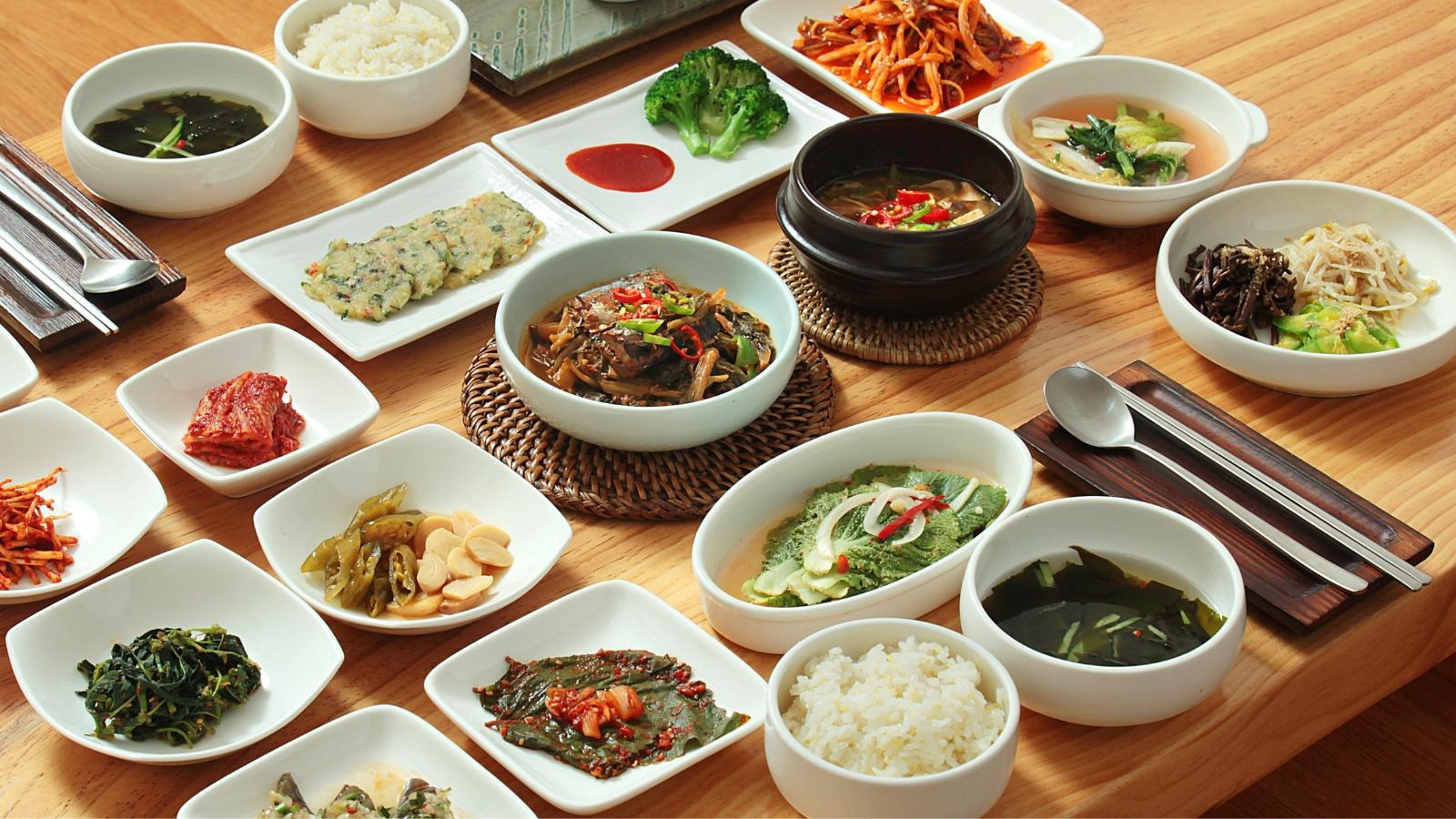
Must-Try Dishes
-
Bibimbap: Korea’s signature mixed rice bowl topped with seasoned vegetables, egg, meat (usually beef), and spicy gochujang (red chili paste). Jeonju version considered the finest
-
Korean BBQ (Gogigui): Grilled meats (beef, pork) cooked at your table, wrapped in lettuce leaves with garlic, peppers, and sauces. Premium Korean beef (hanwoo) is exceptional
-
Kimchi: Korea’s iconic fermented vegetable side dish (usually napa cabbage), served with every meal. Over 200 varieties exist
-
Bulgogi: Marinated beef grilled to tender perfection, slightly sweet and savory
-
Japchae: Stir-fried glass noodles with vegetables and meat, seasoned with soy sauce and sesame oil
-
Tteokbokki: Chewy rice cakes in spicy-sweet red sauce, quintessential Korean street food
-
Korean Fried Chicken: Extra-crispy double-fried chicken in sweet-spicy glaze, often paired with beer (chimaek = chicken + maekju)
-
Samgyetang: Whole young chicken stuffed with ginseng, jujubes, garlic, and rice – traditional summer health food
-
Jjigae (Stews): Various hearty stews including kimchi jjigae, doenjang jjigae (soybean paste), and budae jjigae (army stew with spam and ramen)
-
Naengmyeon: Cold buckwheat noodles in tangy broth or spicy sauce – refreshing summer dish
-
Kimbap: Korean seaweed rice rolls with various fillings – convenient snack or light meal
-
Haemul Pajeon: Savory seafood and scallion pancake, perfect with makgeolli
Street Food Favorites
-
Hotteok: Sweet pancakes filled with brown sugar, cinnamon, and nuts
-
Odeng: Fish cake skewers in hot broth
-
Bungeoppang: Fish-shaped pastry filled with sweet red bean paste
-
Gyeran-ppang: Egg bread – savory bread with whole egg baked inside
-
Dakgangjeong: Crispy fried chicken pieces in sweet-spicy glaze
Beverages
-
Soju: Clear distilled spirit (16-25% alcohol), Korea’s national drink
-
Makgeolli: Milky, slightly sweet rice wine (6-8% alcohol), traditionally served in bowls
-
Korean Tea: Green tea, barley tea (boricha), citron tea (yujacha), ginseng tea
-
Coffee: Korea has vibrant café culture with unique specialty coffee shops
-
Banana Milk: Iconic sweet bottled milk drink found in every convenience store
Desserts and Sweets
-
Bingsu: Shaved ice dessert topped with sweet red beans, fruit, condensed milk, and various toppings
-
Korean Rice Cakes (Tteok): Various traditional rice cakes in different colors and flavors
-
Hotteok: Sweet filled pancakes
-
Yakgwa: Honey cookies with ginger and sesame oil
Practical Travel Information
Getting There
By Air:
-
Incheon International Airport (ICN): Main gateway, located 48km west of Seoul, consistently ranked among world’s best airports
-
From UAE: Direct flights from Dubai and Abu Dhabi (Emirates, Korean Air, Etihad) – approximately 7-8 hours flight time
-
Gimpo Airport (GMP): Seoul’s secondary airport, primarily domestic and regional flights
-
Busan Gimhae Airport (PUS): Southern gateway serving Busan and southeastern Korea
-
Jeju International Airport (CJU): Island’s main airport with extensive domestic connections
Getting Around
Intercity Transportation:
-
KTX (Korea Train Express): High-speed rail network connecting major cities – Seoul to Busan in 2.5 hours, comfortable and punctual
-
Domestic Flights: Frequent flights between Seoul and Jeju, Busan, and other cities
-
Express Buses: Extensive network of comfortable intercity buses at budget-friendly prices
-
Rental Cars: Available but challenging due to Korean signage; International Driving Permit required
Seoul Public Transportation:
-
Subway: Extensive, efficient, clean metro system with English signage and announcements – most convenient way to explore Seoul
-
Buses: Comprehensive network complementing subway (blue = long distance, green = local, yellow = circular, red = express)
-
T-money Card: Rechargeable transportation card for subway, buses, taxis, and convenience store purchases
-
Taxis: Affordable and plentiful – regular (silver/white), deluxe (black), and international taxis available
-
Airport Express (AREX): Direct train from Incheon Airport to Seoul Station (43 minutes express, 53 minutes all-stop)
Accommodation Options
-
Luxury Hotels: International chains (Four Seasons, Lotte, Park Hyatt, Signiel) offering world-class service
-
Business Hotels: Modern mid-range options in convenient locations
-
Hanok Guesthouses: Traditional Korean houses offering authentic cultural experience, especially in Bukchon (Seoul) and Jeonju
-
Love Hotels: Uniquely Korean accommodation style – clean, affordable, often with interesting themes
-
Hostels: Budget-friendly options with social atmosphere, particularly in Hongdae and Myeongdong
-
Templestays: Experience Buddhist temple life with overnight stays at mountain temples
-
Jeju Resorts: Beach and mountain resorts offering relaxation and nature access
Currency and Money
-
Currency: South Korean Won (KRW); 1,000 KRW ≈ 2.75 AED
-
Credit cards widely accepted in cities, hotels, restaurants, and shops
-
Cash still preferred at traditional markets, small restaurants, and rural areas
-
ATMs readily available (look for “Global ATM” or “Foreign Cards” signs)
-
Currency exchange at airports, banks, and authorized exchange shops
-
Mobile payment apps (Samsung Pay, Kakao Pay) extremely popular among locals
Language
-
Official language: Korean (Hangul alphabet)
-
English increasingly common in Seoul tourist areas, hotels, major attractions
-
Younger generation generally has basic English skills
-
Public transportation signage includes English
-
Translation apps highly useful (Papago, Google Translate)
-
Learning basic phrases appreciated: “annyeonghaseyo” (hello), “kamsahamnida” (thank you)
Best Time to Visit
Spring (April-June):
-
Ideal weather: Mild temperatures (15-25°C), low humidity, clear skies
-
Cherry Blossoms: Spectacular blooms late March to mid-April
-
Festivals: Jinhae Cherry Blossom Festival, Buddha’s Birthday (lantern festivals)
-
Consideration: Peak tourist season with higher prices
Summer (July-August):
-
Hot and humid: Temperatures 28-35°C with high humidity
-
Monsoon Season: Heavy rainfall mid-July to early August
-
Beach Season: Perfect for Busan and Jeju coastal activities
-
Festivals: Boryeong Mud Festival, fireworks displays
Autumn (September-November):
-
Best overall season: Comfortable temperatures (15-23°C), crisp air, low rainfall
-
Autumn Foliage: Spectacular fall colors mid-October to early November, especially in mountain national parks
-
Harvest Season: Fresh produce, food festivals
-
Clear Visibility: Perfect for photography and mountain hiking
Winter (December-February):
-
Cold and dry: Temperatures -5 to 5°C, occasionally colder
-
Skiing Season: Excellent conditions at Pyeongchang and other resorts
-
Fewer Tourists: Lower prices and smaller crowds
-
Festivals: Ice fishing festivals, winter illuminations
-
Indoor Activities: Shopping, museums, cafés, jjimjilbangs (Korean spas)
Cultural Etiquette and Customs
-
Shoes: Remove shoes when entering homes, temples, some traditional restaurants, and guesthouses
-
Bowing: Slight bow when greeting, deeper bow shows respect to elders
-
Two Hands: Use both hands when giving/receiving items, especially to elders
-
Age Hierarchy: Korean culture places great importance on age and seniority
-
Drinking Etiquette: Don’t pour your own drink; turn away slightly when drinking in presence of elders
-
Chopsticks: Don’t stick chopsticks vertically in rice (funeral association)
-
Tipping: Not customary in Korea – service charge included in bills
-
Public Behavior: Avoid public displays of affection; loud behavior discouraged on public transport
-
Photography: Ask permission before photographing people; restrictions at military sites and DMZ
-
Temple Etiquette: Dress modestly, speak quietly, respect prayer times and ceremonies
Safety and Health
Safety:
-
South Korea is one of Asia’s safest countries with very low crime rates
-
Safe to walk alone at night in major cities
-
Excellent emergency response systems
-
Emergency number: 112 (police), 119 (fire/ambulance), 1330 (tourist helpline in multiple languages)
-
Natural disasters: occasional typhoons (summer), earthquakes (rare)
-
Political considerations: Avoid DMZ areas outside authorized tours
Health:
-
No mandatory vaccinations for UAE travelers
-
Recommended: routine vaccinations up to date
-
Tap water safe to drink throughout country
-
Excellent medical facilities and healthcare system
-
Many doctors speak English in major cities
-
Pharmacies readily available
-
Travel insurance strongly recommended
-
Air quality concerns: fine dust (hwangsa/mise meonji) in spring from China – masks advised on poor air quality days
Connectivity and Communication
-
South Korea has world’s fastest internet and most advanced telecommunications infrastructure
-
Free Wi-Fi widely available in cafés, restaurants, public spaces, subway stations, hotels
-
Pocket Wi-Fi rental recommended for constant connectivity – available at airports and online
-
Tourist SIM cards available at airports (SK Telecom, KT, LG U+)
-
5G network coverage in major cities
-
Kakao Talk: Essential messaging app used by all Koreans – install for communication with locals and businesses
-
Naver Map: More accurate than Google Maps in Korea
Useful Apps
-
KakaoTalk: Messaging and calling
-
Papago/Google Translate: Korean-English translation
-
Naver Map: Navigation (more accurate than Google Maps)
-
Subway Korea: Seoul metro navigation
-
Korail Talk: Train booking and schedules
-
Kakao T/Uber: Taxi booking
-
MangoPlate: Restaurant recommendations and reviews
Shopping in South Korea
What to Buy
Beauty and Cosmetics:
-
K-beauty products (sheet masks, skincare, cosmetics) at fraction of international prices
-
Korean cosmetic brands: Innisfree, Etude House, Laneige, Sulwhasoo, The Face Shop
-
Beauty districts: Myeongdong, Hongdae, Gangnam
Fashion and Accessories:
-
Korean fashion brands and unique streetwear
-
Traditional hanbok (modern and traditional styles)
-
Accessories, bags, jewelry
Traditional Crafts:
-
Traditional ceramics and pottery
-
Mother-of-pearl lacquerware
-
Traditional paper goods (hanji)
-
Korean masks and folk art
Food and Beverages:
-
Ginseng products (tea, extract, candies)
-
Korean teas (green tea, citron tea, barley tea)
-
Instant noodles (ramyeon) – vast selection unavailable abroad
-
Korean snacks and candies
-
Seaweed (gim) packs
-
Kimchi and gochujang (vacuum-packed for travel)
Technology and Electronics:
-
Latest Samsung and LG products
-
Electronics in Yongsan Electronics Market, Seoul
-
Check voltage compatibility (220V in Korea)
Shopping Districts
Seoul:
-
Myeongdong: Cosmetics paradise, international brands
-
Dongdaemun: 24-hour fashion wholesale and retail complexes
-
Insadong: Traditional crafts, antiques, art galleries
-
Gangnam: Luxury brands, upscale department stores
-
Hongdae: Youth fashion, indie brands, unique items
-
Namdaemun Market: Korea’s largest traditional market
Busan:
-
Seomyeon shopping district, Shinsegae Centum City (world’s largest department store)
Tax Refund
-
Foreign visitors can claim VAT refund (10%) on purchases over 30,000 KRW per store
-
Look for “Tax Free Shopping” signs
-
Present passport at store for tax refund form
-
Claim refund at airport before departure (customs inspection required)
Unique Korean Experiences
Jjimjilbang (Korean Spa)
Traditional Korean bathhouses offer gender-segregated bathing areas with various hot pools, saunas, and communal relaxation spaces. Many operate 24 hours and offer overnight stays. Experience Korean wellness culture including scrub treatments (seshin), ice rooms, charcoal saunas, and more.
Temple Stay
Overnight programs at Buddhist temples allow visitors to experience monastic life including meditation, Buddhist ceremonies, communal meals, tea with monks, and nature walks. Provides unique insight into Korean Buddhism and tranquility away from city life.
Noraebang (Karaoke Rooms)
Private karaoke rooms rented by the hour – essential Korean social activity. Unlike Western bars, Korean noraebang offers private rooms for groups with extensive song selections in multiple languages.
Han River Activities
Seoul’s Han River offers various activities: riverside parks, bike paths, picnics, paddle boats, water sports, evening cruises, and seasonal festivals. Locals gather here especially in spring and autumn.
Korean Café Culture
South Korea’s vibrant café scene includes themed cafés (animal cafés, book cafés, board game cafés), specialty coffee roasters, beautiful design-focused spaces, and unique dessert offerings. Café-hopping is a popular social activity.
Lotte World
World’s largest indoor theme park located in Seoul, featuring rides, ice skating rink, folk museum, outdoor “Magic Island” section, and adjacent Lotte World Tower (Seoul’s tallest building with observation deck).
Why Choose South Korea?
-
Visa-Free for UAE Nationals: Up to 90 days hassle-free entry
-
World-Class Infrastructure: Efficient transportation, modern facilities, advanced technology
-
Four Distinct Seasons: Year-round appeal with seasonal beauty and activities
-
Exceptional Safety: One of world’s safest destinations with low crime rates
-
Culinary Adventure: From street food to Michelin restaurants, diverse and exciting cuisine
-
Cultural Richness: Ancient palaces, temples, traditional villages alongside modern culture
-
Natural Beauty: Mountains, beaches, islands, national parks despite small geographic size
-
Affordable Luxury: High-quality experiences at reasonable prices
-
Shopping Paradise: K-beauty, fashion, electronics, traditional crafts
-
Clean and Organized: Spotlessly clean cities, efficient systems, well-maintained attractions
-
Unique Experiences: Temple stays, jjimjilbangs, hanok villages, DMZ tours
-
Compact Geography: Easy to explore multiple destinations in short time
-
Welcoming Culture: Increasing English proficiency, tourist-friendly infrastructure
Contact Information
Blue Rose Travel & Tourism LLC
Dubai, United Arab Emirates
For customized South Korea tour packages, hotel bookings, flight reservations, guided tours, and complete travel arrangements, contact our IATA-accredited travel agency. We specialize in creating comprehensive Korean experiences tailored to individual preferences, from cultural heritage tours to K-pop experiences, culinary journeys, nature adventures, and family holidays.
Our Services Include:
-
Customized itinerary planning for South Korea
-
Hotel and resort reservations nationwide
-
KTX train tickets and domestic flight bookings
-
Airport transfers and private transportation
-
Guided tours with English/Arabic-speaking guides
-
Visa assistance for UAE residents (document preparation, application support)
-
DMZ tour arrangements with authorized operators
-
Temple stay bookings
-
K-pop concert tickets and entertainment experiences
-
Travel insurance arrangements
-
24/7 support during travel
-
Multi-country East Asia itineraries combining Korea with Japan, China, or other destinations
South Korea stands as one of Asia’s most rewarding destinations, offering travelers an extraordinary blend of ancient traditions and futuristic innovation, serene temples and vibrant cities, mountain tranquility and coastal beauty. From the dynamic streets of Seoul to the beaches of Busan, from the volcanic landscapes of Jeju to the historical treasures of Gyeongju, Korea presents remarkable diversity and depth of experiences within a compact, easily navigable geography.
With exceptional convenience for UAE travelers through visa-free entry for nationals, world-class infrastructure, outstanding safety, delicious cuisine, and unique cultural experiences, South Korea delivers memorable journeys whether you seek cultural immersion, natural beauty, culinary adventure, or modern urban excitement.
The Korean Wave has opened the world’s eyes to this fascinating nation, but nothing compares to experiencing Korea’s warmth, beauty, and innovation firsthand. Whether exploring 600-year-old palaces, hiking volcanic craters, indulging in Korean BBQ, relaxing in traditional bathhouses, or immersing yourself in K-pop culture, South Korea promises experiences that will exceed expectations and create lasting memories.
Discover the Land of Morning Calm – where ancient dynasties meet digital innovation, where mountains meet sea, where tradition and modernity exist in perfect harmony, and where every journey reveals new wonders.