The Heart of Europe & Engine of Innovation
Overview
Germany is one of Europe’s most fascinating destinations, attracting millions of visitors annually with its rich history spanning from medieval castles to modern innovation, vibrant cultural scene, world-renowned festivals like Oktoberfest, stunning landscapes from Alpine peaks to Baltic coastlines, and exceptional efficiency. From Berlin’s dynamic energy and historical significance to Munich’s Bavarian charm and beer gardens, from Cologne’s Gothic cathedral to Hamburg’s maritime heritage, Germany offers an compelling blend of tradition, culture, and cutting-edge modernity. With excellent infrastructure, diverse regional cuisines, UNESCO World Heritage Sites, and warm hospitality, Germany provides unforgettable experiences for every type of traveler.
1. Berlin – Dynamic Capital of History and Culture
Berlin is Germany’s vibrant capital and largest city, renowned for its pivotal role in 20th-century history, world-class museums, thriving arts scene, multicultural neighborhoods, and dynamic nightlife.
Main Tourist Highlights
-
- Brandenburg Gate – Iconic 18th-century neoclassical monument symbolizing German reunification
-
- Reichstag Building – Historic parliament building with stunning glass dome offering panoramic city views
-
- Berlin Wall Memorial & East Side Gallery – Preserved sections of the Wall with murals and open-air memorial
-
- Museum Island – UNESCO World Heritage complex with five world-class museums including Pergamon Museum
-
- Holocaust Memorial – Moving tribute to murdered Jews of Europe with 2,711 concrete stelae
-
- Checkpoint Charlie – Famous Cold War crossing point between East and West Berlin
-
- Charlottenburg Palace – Largest palace in Berlin with baroque and rococo interiors and gardens
-
- Tiergarten Park – Vast urban park perfect for walking, cycling, and relaxation
-
- Alexanderplatz & TV Tower – Central square with iconic 368-meter television tower offering city views
-
- Kreuzberg & Friedrichshain – Trendy neighborhoods with street art, cafés, markets, and nightlife
Tourist Information
Berlin has excellent public transportation including extensive U-Bahn (metro), S-Bahn (suburban trains), trams, and buses covering all districts. The city is flat and bike-friendly with dedicated cycling paths throughout.
Best time to visit: May–September for warm weather and outdoor activities; April–June and September ideal for fewer crowds; December for famous Christmas markets.
Practical tips: Berlin WelcomeCard covers public transport and museum discounts, Museum Island requires advance booking for popular museums, city divided into zones for transport tickets, free walking tours excellent introduction to history, explore diverse neighborhoods each with distinct character (Mitte for history, Kreuzberg for alternative culture, Prenzlauer Berg for cafés), Berlin’s nightlife legendary with clubs often open from midnight until Monday morning, many restaurants accept reservations online, Sunday flea markets at Mauerpark and Boxhagener Platz popular, day trips to Potsdam (30 minutes) for Sanssouci Palace highly recommended.
2. Munich – Bavarian Capital of Beer and Culture
Munich is the capital of Bavaria and Germany’s third-largest city, famous for Oktoberfest, beer gardens, baroque architecture, proximity to the Alps, and as gateway to fairytale castles.
Main Tourist Highlights
-
- Marienplatz & New Town Hall – Central square with Gothic Revival town hall and famous Glockenspiel show
-
- Oktoberfest Grounds (Theresienwiese) – Site of world’s largest beer festival held annually in late September–early October
-
- English Garden – One of world’s largest urban parks with beer gardens, streams, and surfers on Eisbach wave
-
- Nymphenburg Palace – Magnificent baroque summer residence with expansive gardens and museums
-
- BMW Museum & BMW Welt – Automotive exhibitions showcasing BMW history and latest innovations
-
- Deutsches Museum – World’s largest science and technology museum on an island in the Isar River
-
- Viktualienmarkt – Traditional daily food market with stalls selling fresh produce, flowers, and Bavarian specialties
-
- Hofbräuhaus – World-famous beer hall serving traditional Bavarian food and beer since 1589
-
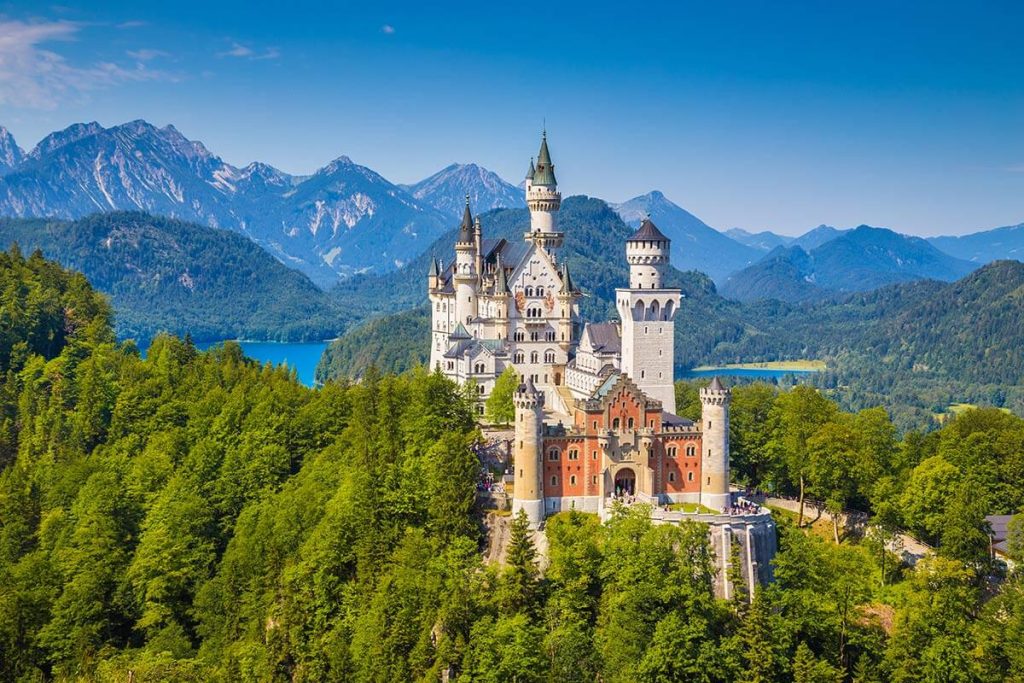
- Neuschwanstein Castle Day Trip – Fairytale castle (2 hours from Munich) that inspired Disney’s Sleeping Beauty Castle
-
- Residenz Munich – Former royal palace of Bavarian monarchs with ornate rooms and crown jewels
Tourist Information
Munich has efficient public transport with U-Bahn, S-Bahn, trams, and buses connecting all areas. The city center is compact and walkable with major attractions within walking distance.
Best time to visit: May–September for warm weather and beer garden season; late September–early October for Oktoberfest; December for Christmas markets; March–April for spring blooms.
Practical tips: München Card covers transport and attraction discounts, book Oktoberfest beer tent reservations months in advance (or arrive early for unreserved tables), beer gardens follow Bavarian tradition (bring own food, buy only drinks), visit English Garden for relaxing afternoon and watch river surfers at Eisbach, traditional Bavarian dress (dirndl and lederhosen) commonly worn during festivals, day trips to Neuschwanstein Castle should be booked early (extremely popular), combine with visits to Linderhof Palace and Oberammergau village, Munich excellent base for exploring Bavaria and Alpine region, trains to Austria and Switzerland nearby.
3. Hamburg – Maritime Gateway and Hanseatic Port
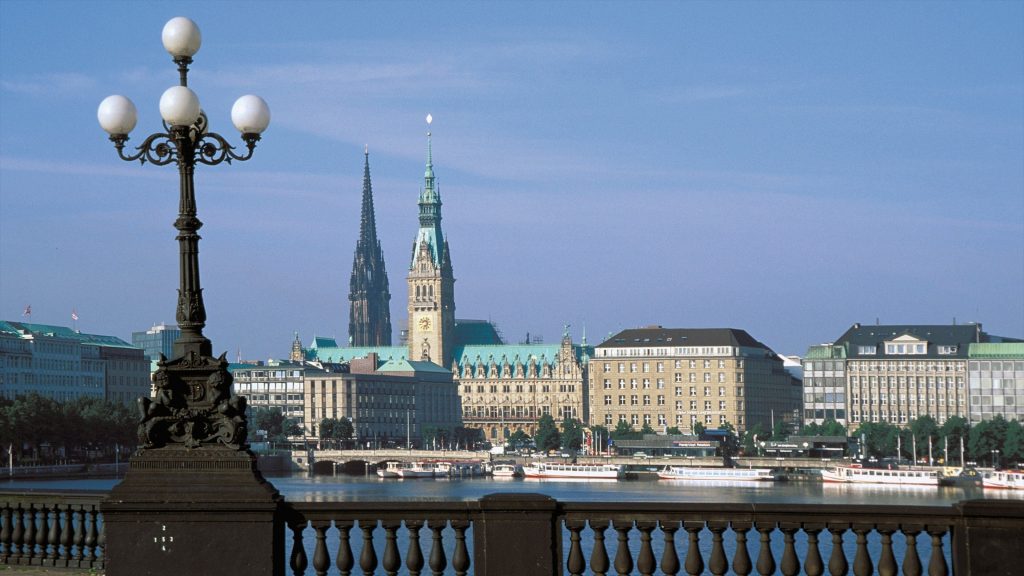
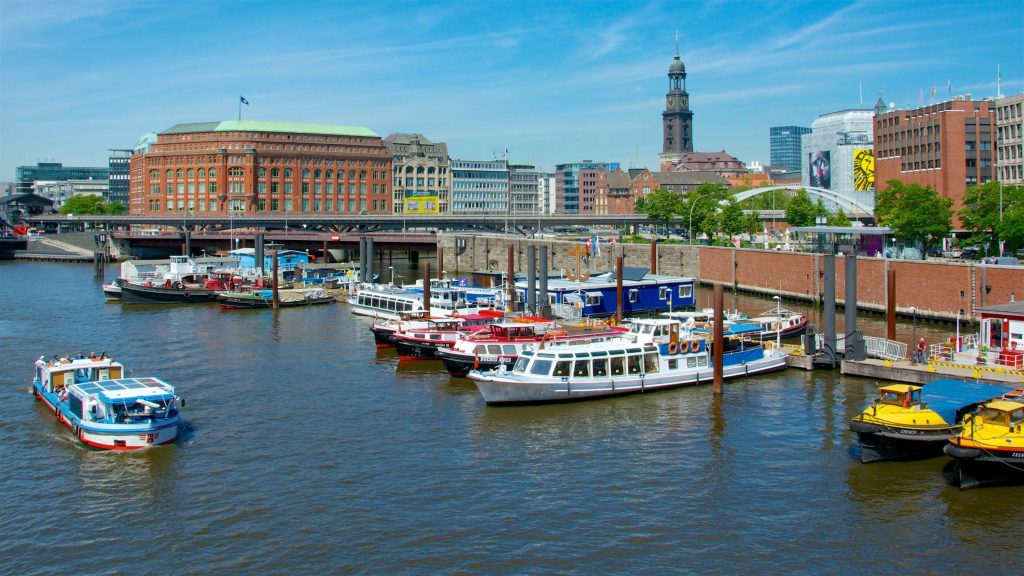
Hamburg is Germany’s second-largest city and Europe’s third-largest port, renowned for its maritime heritage, elegant architecture, vibrant harbor area, musical theater scene, and progressive culture.
Main Tourist Highlights
-
- Speicherstadt – UNESCO World Heritage historic warehouse district with brick Gothic architecture and canals
-
- Miniatur Wunderland – World’s largest model railway exhibition, Germany’s most visited tourist attraction
-
- Elbphilharmonie – Stunning modern concert hall with wave-like glass architecture and public viewing platform
-
- Hamburg Harbor & Port Tours – Boat tours through one of Europe’s busiest ports with container terminals
-
- Reeperbahn – Famous entertainment district with theaters, music clubs, and nightlife (also site of Beatles’ early performances)
-
- St. Michaelis Church (Michel) – Baroque church with 132-meter tower offering panoramic harbor views
-
- Planten un Blomen – Beautiful city park with Japanese garden, water light concerts, and summer events
-
- HafenCity – Modern waterfront district with contemporary architecture, restaurants, and maritime museum
-
- Alster Lakes – Two artificial lakes in city center perfect for boat trips, walking, and outdoor cafés
-
- Fish Market (Fischmarkt) – Traditional Sunday morning market since 1703 selling fish, produce, and entertainment
Tourist Information
Hamburg has extensive public transport including U-Bahn, S-Bahn, buses, and harbor ferries connecting all districts. The city is bike-friendly and largely flat for easy cycling.
Best time to visit: May–September for warm weather and outdoor harbor activities; April and October pleasant with fewer tourists; December for Christmas markets including waterfront markets.
Practical tips: Hamburg Card covers transport and attraction discounts, Miniatur Wunderland requires advance online booking (very popular), harbor tours available from Landungsbrücken piers (various operators and routes), Elbphilharmonie viewing platform free but requires timed ticket reservation, visit Fish Market early Sunday morning (opens 5am in summer, 7am in winter) for authentic experience, Reeperbahn area lively at night but family-friendly during day, Speicherstadt beautiful for photography especially evening lighting, Hamburg Musical shows world-class productions, easy day trips to Lübeck (medieval Hanseatic city, 1 hour) and North Sea coast.
4. Cologne – Rhine River Cathedral City
Cologne is Germany’s fourth-largest city on the Rhine River, famous for its towering Gothic cathedral, Roman heritage, vibrant carnival celebration, contemporary art scene, and Kölsch beer culture.
Main Tourist Highlights
-
- Cologne Cathedral (Kölner Dom) – UNESCO World Heritage Gothic masterpiece with twin spires, Germany’s most visited landmark
-
- Hohenzollern Bridge – Railway bridge adorned with thousands of love locks offering cathedral views
-
- Old Town (Altstadt) – Colorful historic quarter with narrow streets, traditional brewhouses, and Rhine promenade
-
- Roman-Germanic Museum – Archaeological museum showcasing Cologne’s 2,000-year Roman history
-
- Museum Ludwig – Leading modern art museum featuring Picasso, Warhol, and contemporary works
-
- Rhine River Cruises – Boat trips along Rhine offering views of cathedral, bridges, and riverside scenery
-
- Chocolate Museum – Interactive museum tracing chocolate history with tastings and chocolate fountain
-
- Belgian Quarter (Belgisches Viertel) – Trendy neighborhood with boutiques, cafés, galleries, and restaurants
-
- Cologne Cable Car – Aerial crossing over Rhine River with panoramic city views
-
- 4711 Eau de Cologne House – Historic birthplace of original Eau de Cologne perfume
Tourist Information
Cologne has efficient public transport with U-Bahn, S-Bahn, trams, and buses connecting all areas. The compact city center is easily walkable with cathedral as central landmark.
Best time to visit: April–June and September–October for pleasant weather; February–March for Carnival (Karneval) celebrations; December for Christmas markets surrounding cathedral.
Practical tips: KölnCard covers transport and museum discounts, climb cathedral’s 533 steps to tower viewing platform for panoramic views (advance booking recommended), traditional brewhouses (Brauhaus) serve Kölsch beer in small 200ml glasses with continuous service until you place coaster on top, Rhine promenade ideal for evening strolls with cathedral illuminated, Cologne Carnival one of Europe’s largest street festivals with parades and costumes, Museum Ludwig and Chocolate Museum located together on Rhine riverbank, day trips to Bonn (30 minutes, former West German capital), Rhine Valley wine region, and historic Aachen easily accessible.
5. Frankfurt – Financial Hub and Gateway City
Frankfurt is Germany’s fifth-largest city and financial capital, renowned for its dramatic skyline, international airport (Europe’s fourth-busiest), blend of modern and historic architecture, and position as major European business center.
Main Tourist Highlights
-
- Römerberg – Reconstructed medieval town square with traditional half-timbered houses and city hall
-
- Main Tower – 200-meter skyscraper with public observation deck offering 360-degree city views
-
- Palmengarten – Extensive botanical garden with palm house, tropical greenhouses, and seasonal displays
-
- Museumsufer (Museum Embankment) – Cluster of 13 museums along Main River including Städel Museum
-
- Städel Museum – Outstanding art museum with European masterpieces from Medieval to contemporary periods
-
- Goethe House – Birthplace and childhood home of Germany’s greatest writer Johann Wolfgang von Goethe
-
- Frankfurt Cathedral – Gothic church where Holy Roman Emperors were crowned
-
- Zeil – Major shopping street and pedestrian zone, one of Germany’s busiest commercial areas
-
- Frankfurt Christmas Market – One of Germany’s oldest and largest Christmas markets around Römerberg
-
- Main River Walks – Riverside promenades and bridges perfect for strolling and city views
Tourist Information
Frankfurt has excellent public transport with U-Bahn, S-Bahn, trams, and buses connecting city and airport. The compact city center is walkable with most attractions clustered in Altstadt (Old Town) area.
Best time to visit: April–June and September–October for mild weather; summer warm but can be crowded; December for Christmas market atmosphere; Frankfurt hosts major trade fairs year-round affecting hotel availability.
Practical tips: Frankfurt Card covers transport and museum discounts, Main Tower observation deck open until 9pm weekdays (11pm Friday–Saturday) for sunset and night views, Museumsufer museums offer combined tickets, traditional apple wine (Apfelwein) taverns in Sachsenhausen district serve regional specialty, Frankfurt excellent transportation hub for exploring Germany with high-speed trains to all major cities, Römerberg area reconstructed after WWII to recreate historic atmosphere, riverbank area popular for summer evening gatherings, easy day trips to Rhine Valley (1 hour), Heidelberg (1 hour), and Mainz (30 minutes).
Travel Tips for International Visitors
| Visa Requirements | Schengen visa required for UAE residents (Blue Rose assists with applications) |
| Currency | Euro (EUR) – credit cards widely accepted, cash still common in smaller establishments |
| Language | German (English widely spoken in tourist areas and major cities) |
| Transportation | Excellent high-speed train network (ICE) connecting cities; extensive local public transport |
| Best Travel Period | May–September for warm weather; December for Christmas markets; year-round destination |
| Flight Connections | Direct flights from Dubai to Frankfurt and Munich; connections to other German cities |
Table 1: Essential travel information for visiting Germany
Regional Itinerary Suggestions
Germany Highlights (10-12 days)
Frankfurt (1-2 days) → Rhine Valley (1 day) → Cologne (2 days) → Hamburg (2 days) → Berlin (3-4 days) → Munich (2 days)
Southern Germany Classic (7-9 days)
Munich (3 days) → Neuschwanstein Castle (1 day) → Rothenburg ob der Tauber (1 day) → Nuremberg (1 day) → Frankfurt (2 days)
Northern Germany Explorer (6-8 days)
Hamburg (3 days) → Lübeck (1 day) → Bremen (1 day) → Berlin (3-4 days)
History & Culture Focus (8-10 days)
Berlin (4 days) → Dresden (2 days) → Weimar (1 day) → Leipzig (1 day) → Munich (2-3 days)
Bavarian Alps & Castles (6-7 days)
Munich (2 days) → Neuschwanstein & Linderhof Castles (1-2 days) → Garmisch-Partenkirchen (1-2 days) → Berchtesgaden & Königssee (1-2 days)
German Culture & Experiences
-
- Beer Culture – Experience traditional beer gardens, brewhouses, and world-famous Oktoberfest in Munich
-
- Christmas Markets – Visit magical Weihnachtsmärkte from late November through December across all cities
-
- Castles & Palaces – Explore fairytale Neuschwanstein, baroque Nymphenburg, and numerous medieval castles
-
- Regional Cuisines – Try Bavarian pretzels and sausages, Rhineland sauerbraten, Hamburg fish, Berlin currywurst
-
- Classical Music Heritage – Germany’s contribution to classical music with Bach, Beethoven, Wagner, and world-class concert halls
-
- Efficient Transportation – Experience punctual Deutsche Bahn trains, extensive public transport, and autobahn highways
-
- Historic Architecture – From medieval half-timbered towns to Gothic cathedrals and modern glass skyscrapers
-
- Museum Culture – World-class museums covering art, history, science, and specialized collections
-
- Outdoor Activities – Hiking in Black Forest and Alps, cycling along rivers, lake swimming in summer
-
- Festivals Year-Round – Beyond Oktoberfest: wine festivals, Carnival, music festivals, cultural celebrations
Why Choose Blue Rose Travel & Tourism
-
- IATA Accredited Agency – Professional service with industry standards
-
- Visa Assistance – Complete Schengen visa application support for Germany travel
-
- Customized Itineraries – Tailor-made tours combining cities, castles, countryside, and cultural experiences
-
- Hotel Bookings – Access to competitive rates from budget accommodations to luxury hotels
-
- Rail Pass Arrangements – German Rail Pass and city transport card bookings
-
- Skip-the-Line Tickets – Pre-booked entries to Neuschwanstein Castle, Museum Island, major attractions
-
- Expert Guidance – Detailed travel planning with insider tips for authentic German experiences
-
- 24/7 Support – Assistance throughout your German journey