Your Gateway to European Elegance
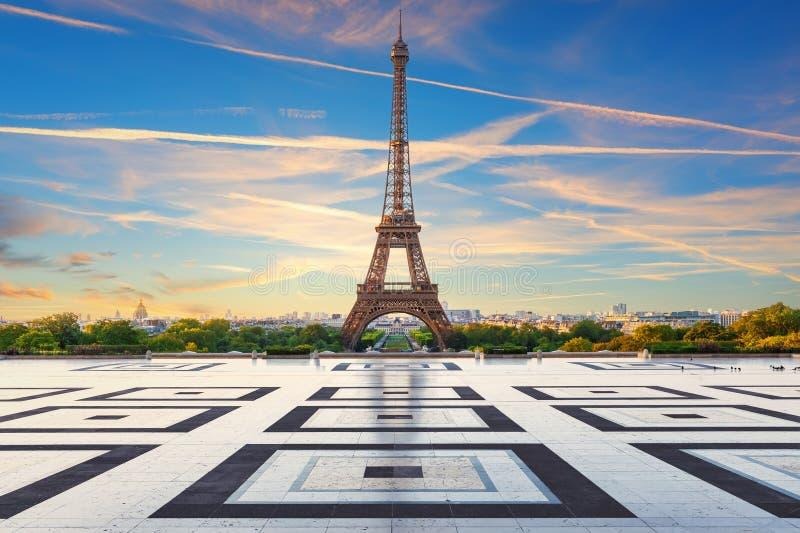
Figure 1: The iconic Eiffel Tower at sunset from Trocadéro, Paris
Why Choose France for Your Next Journey?
Unparalleled Cultural Heritage
France is home to 53 UNESCO World Heritage Sites, making it one of the world’s richest destinations for historical and cultural exploration. From prehistoric cave paintings to Gothic cathedrals, Renaissance châteaux to Baroque palaces, France showcases the evolution of European civilization across millennia.
World Capital of Art and Culture
Paris alone houses three of the world’s most visited museums, the Louvre, Musée d’Orsay, and Centre Pompidou. French art, literature, philosophy, and cinema have profoundly influenced global culture for centuries.
Gastronomic Excellence
French cuisine represents the pinnacle of culinary arts, with over 630 Michelin-starred restaurants in 2026. From Parisian bistros to Provençal markets, from Burgundian wine cellars to Breton crêperies, France offers unmatched gastronomic experiences.
Diverse Landscapes
France’s geography encompasses Alpine peaks, Mediterranean beaches, Atlantic coastlines, rolling vineyards, lavender-scented Provence, dramatic river gorges, and charming countryside villages, all within a country smaller than Texas.
Accessible Excellence
France’s outstanding infrastructure, high-speed TGV trains, excellent highways, and well-connected airports, makes exploring multiple regions seamless and comfortable.
Top Destinations in France
Paris: The City of Light
Paris, the world’s most romantic city, captivates with its elegant boulevards, iconic monuments, world-class museums, and timeless charm. Home to 2.2 million residents in the city proper and over 12 million in the metropolitan area, Paris remains the cultural and artistic heart of France.
Must-Visit Sites in Paris
The Louvre Museum
The world’s most visited museum houses over 35,000 works of art, including the Mona Lisa, Venus de Milo, and Winged Victory of Samothrace. The museum’s glass pyramid entrance has become as iconic as the treasures within. Allow a full day to explore even the highlights.
Eiffel Tower
Built for the 1889 World’s Fair, Gustave Eiffel’s iron lattice tower stands 330 meters tall and offers breathtaking views of Paris from three levels. Visit at sunset to witness the city transform from daylight charm to sparkling nighttime magic. The tower illuminates every evening with thousands of lights, creating an unforgettable spectacle.
Notre-Dame Cathedral
Though undergoing restoration following the 2019 fire, this Gothic masterpiece remains an architectural marvel. The cathedral is scheduled to reopen with guided exterior tours showcasing its flying buttresses, gargoyles, and magnificent rose windows.
Champs-Élysées and Arc de Triomphe
The world’s most famous avenue stretches from Place de la Concorde to the Arc de Triomphe, lined with luxury shops, cafés, and theaters. Climb to the top of the Arc de Triomphe for panoramic views of Paris’s radial boulevards.
Montmartre and Sacré-Cœur
This hilltop village within Paris preserves its bohemian charm with artists’ studios, intimate cafés, and the stunning white basilica of Sacré-Cœur offering sweeping city views.
Latin Quarter
Paris’s intellectual heart features narrow medieval streets, the Sorbonne University, the Panthéon, Luxembourg Gardens, and countless bookshops and cafés where philosophers and writers once gathered.
Seine River Cruises
Glide past illuminated monuments including Notre-Dame, the Louvre, Musée d’Orsay, and the Eiffel Tower while enjoying dinner and live music on an evening cruise.
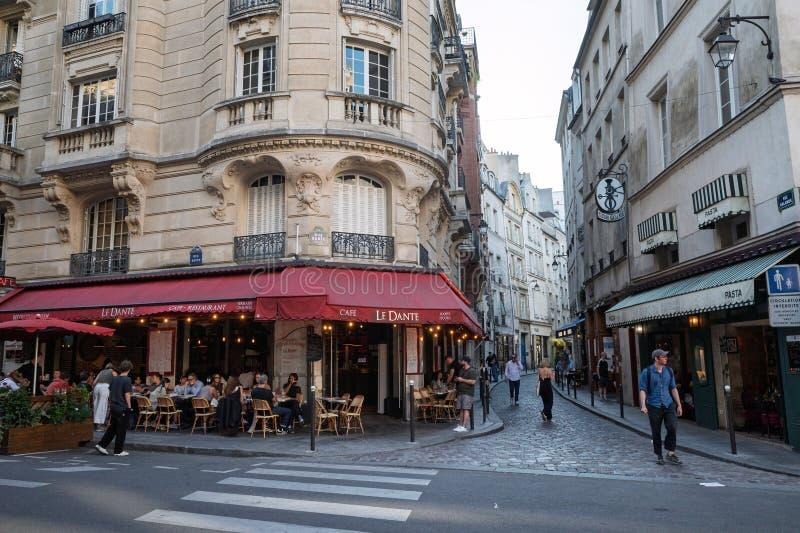
Figure 2: Traditional street café in Paris’s Latin Quarter
Versailles: Royal Splendor
Palace of Versailles (UNESCO World Heritage Site) represents the absolute apex of French royal architecture and landscape design. Louis XIV transformed his father’s hunting lodge into the world’s most opulent palace, serving as the seat of French power from 1682 to 1789.
Versailles Highlights
The Palace
The main palace features the stunning Hall of Mirrors, 73 meters of mirrors, chandeliers, and gilded sculptures where the Treaty of Versailles was signed in 1919. The King’s and Queen’s apartments showcase 17th-century luxury with elaborate frescoes, silk walls, and priceless furniture.
The Gardens
André Le Nôtre’s masterpiece garden design encompasses 800 hectares of geometrically precise lawns, fountains, sculptures, and groves. The musical fountain shows (April-October) choreograph water displays to Baroque music.
The Trianon Palaces and Marie-Antoinette’s Estate
These intimate retreats allowed the royal family to escape court formality. Marie-Antoinette’s rustic hamlet features a working farm where the queen played at pastoral life.
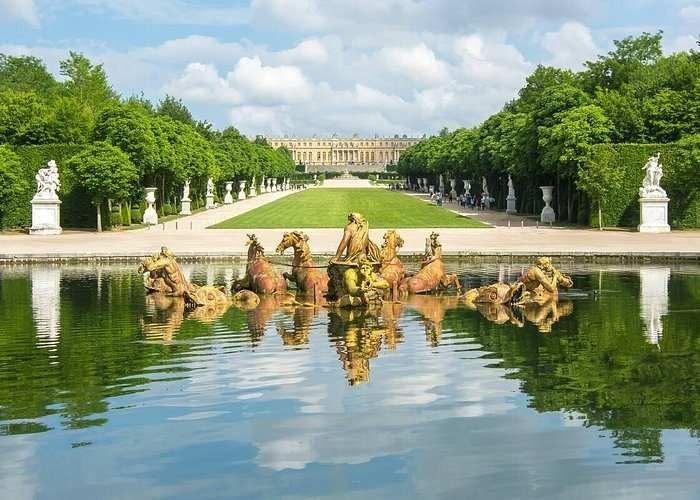
Figure 3: The Apollo Fountain in Versailles Gardens with the palace beyond
Mont Saint-Michel: Medieval Marvel
Mont Saint-Michel (UNESCO World Heritage Site) rises dramatically from tidal flats on the Normandy coast. This fortified island monastery represents one of Europe’s most extraordinary medieval achievements, combining spiritual devotion with defensive architecture.
The abbey church crowns the rocky island’s summit, surrounded by cloisters, crypts, and halls built between the 11th and 16th centuries. The causeway connecting Mont Saint-Michel to the mainland floods at high tide, making the mount a true island twice daily, a spectacular natural phenomenon.
The medieval village clustered around the abbey features ramparts, narrow streets, half-timbered houses, and restaurants serving regional specialties including omelets and lamb raised on the surrounding salt marshes.
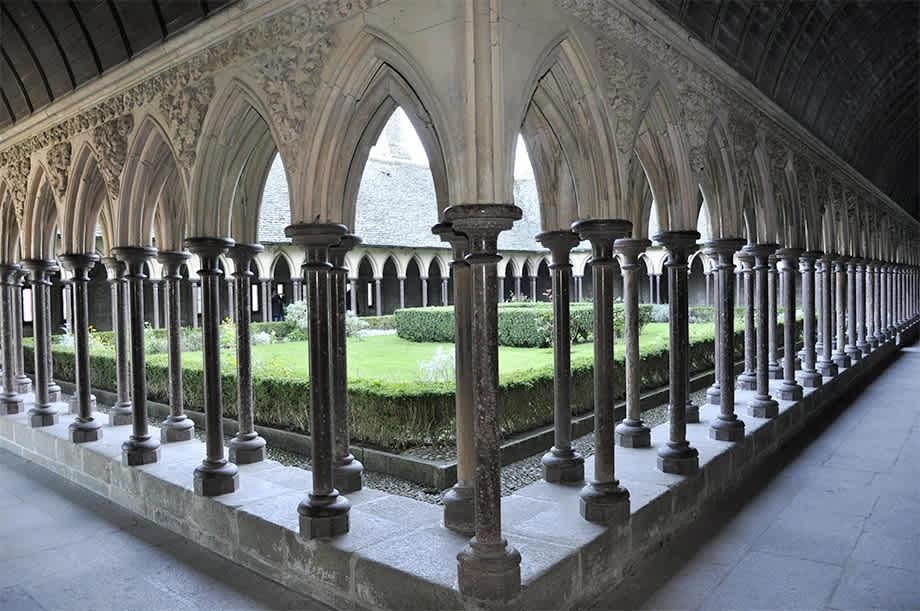
Figure 4: The Gothic cloisters of Mont Saint-Michel Abbey
Loire Valley: Château Country
The Loire Valley (UNESCO World Heritage Site) showcases France’s royal and noble heritage through over 300 châteaux set in a landscape of vineyards, forests, and the majestic Loire River. Known as the “Garden of France,” this region represents the pinnacle of French Renaissance architecture and garden design.
Essential Loire Châteaux
Château de Chambord
The largest and most spectacular Loire château features 440 rooms, 282 fireplaces, and the famous double-helix staircase attributed to Leonardo da Vinci. The château’s distinctive French Renaissance architecture combines medieval fortress elements with classical Italian proportions, all surrounded by France’s largest enclosed forest park.
Château de Chenonceau
Spanning the River Cher on elegant arches, this “Ladies’ Château” owes its beauty to the women who owned, managed, and saved it, including Diane de Poitiers and Catherine de’ Medici. The château’s riverside setting and magnificent gardens create one of France’s most photographed monuments.
Château de Villandry
While the château itself is beautiful, Villandry’s true glory lies in its Renaissance gardens, six separate terraced gardens including ornamental kitchen gardens with geometrically arranged vegetables creating living artworks.
Château d’Amboise
This royal residence hosted Leonardo da Vinci during his final years. Visit the château and nearby Clos Lucé, Leonardo’s last home, now a museum showcasing his inventions and artistic genius.
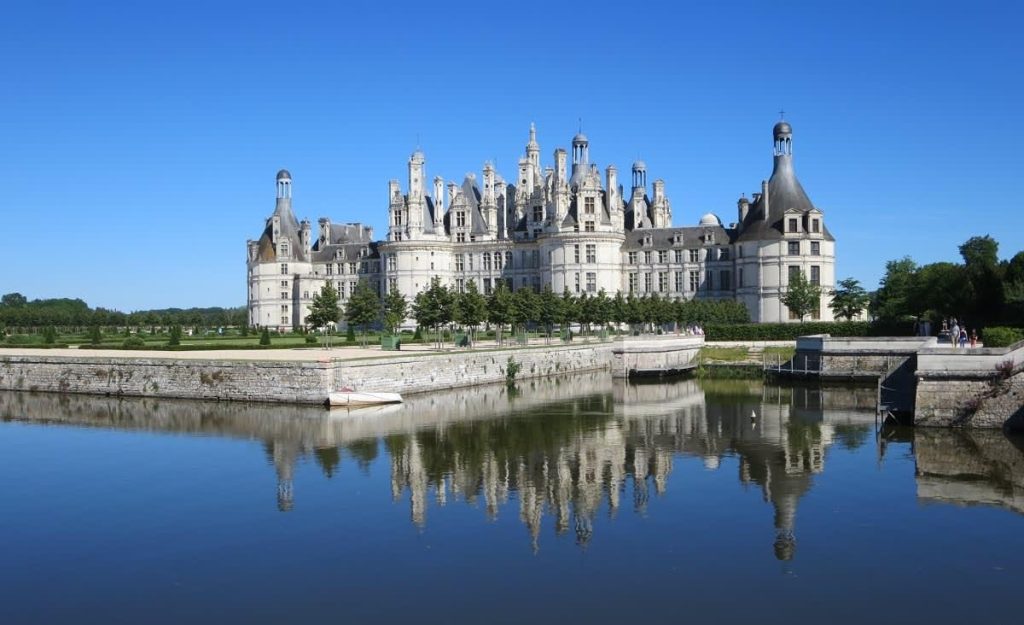
Figure 5: Château de Chambord reflected in water, Loire Valley
Provence: Land of Lavender and Light
Provence in southeastern France captivates with fragrant lavender fields, Roman ruins, hilltop villages, and the luminous light that attracted Van Gogh, Cézanne, and countless artists.
Provence Highlights
Lavender Fields
From mid-June through July, Provence’s plateau de Valensole and Sault region transform into seas of purple lavender. The intoxicating fragrance, vivid color, and photogenic landscapes create unforgettable experiences.
Avignon
The medieval Palais des Papes (Palace of the Popes, UNESCO World Heritage Site) is Europe’s largest Gothic palace, reflecting the period when Avignon served as the papal seat in the 14th century. The famous Pont d’Avignon and well-preserved medieval walls add to the city’s historic charm.
Arles
This Roman city (UNESCO World Heritage Site) features magnificently preserved Roman monuments including an amphitheater still used for bullfights and concerts. Vincent van Gogh created over 300 paintings and drawings here, inspired by Provence’s luminous light.
Les Baux-de-Provence
This spectacular hilltop fortress village offers panoramic views across olive groves and vineyards. The medieval citadel ruins and art galleries showcase Provence’s artistic heritage.
Gorges du Verdon
Europe’s deepest canyon features turquoise waters, limestone cliffs rising 700 meters, and spectacular driving routes offering breathtaking vistas.
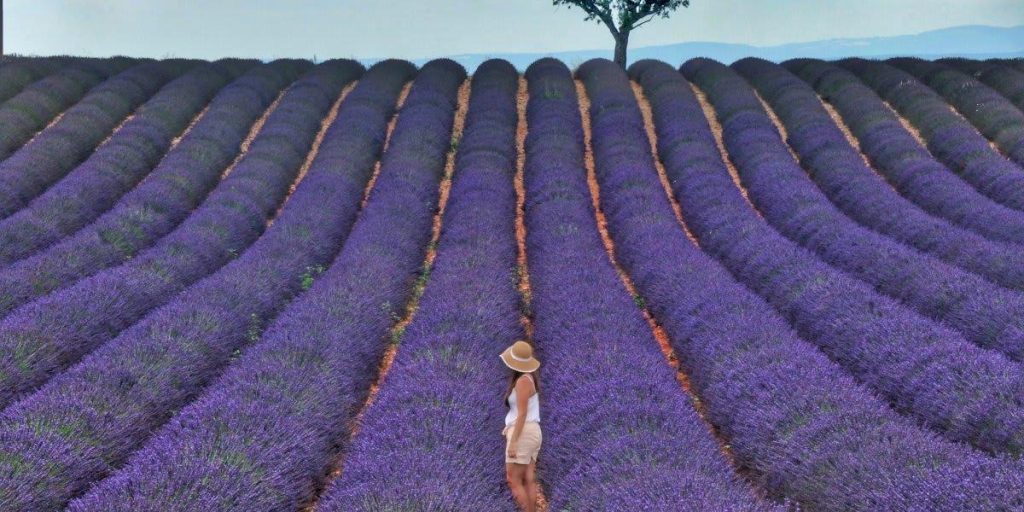
Figure 6: Lavender fields in full bloom, Provence
French Riviera (Côte d’Azur): Mediterranean Glamour
The French Riviera stretches along the Mediterranean coast from Cassis to the Italian border, offering stunning scenery, glamorous resorts, and year-round sunshine.
Riviera Destinations
Nice
The Riviera’s largest city combines Italian influence with French sophistication. The famous Promenade des Anglais curves along the sapphire Mediterranean, lined with Belle Époque hotels and palm trees. The Old Town (Vieux Nice) features colorful buildings, narrow lanes, flower markets, and excellent restaurants serving Niçoise cuisine.
Monaco
The tiny principality dazzles with wealth, luxury yachts, the Casino de Monte-Carlo, the Prince’s Palace, and the Oceanographic Museum. The Monaco Grand Prix transforms city streets into a Formula 1 circuit each May.
Cannes
Famous for its international film festival, Cannes offers golden beaches, luxury shopping on La Croisette boulevard, and island escapes to Îles de Lérins.
Antibes
This charming town balances history (Fort Carré, medieval ramparts) with modern luxury (Port Vauban superyacht marina). The Picasso Museum occupies a seaside château where the artist once worked.
Saint-Paul-de-Vence and Èze
These medieval hilltop villages perched above the coast offer spectacular Mediterranean views, art galleries, and perfectly preserved medieval architecture.
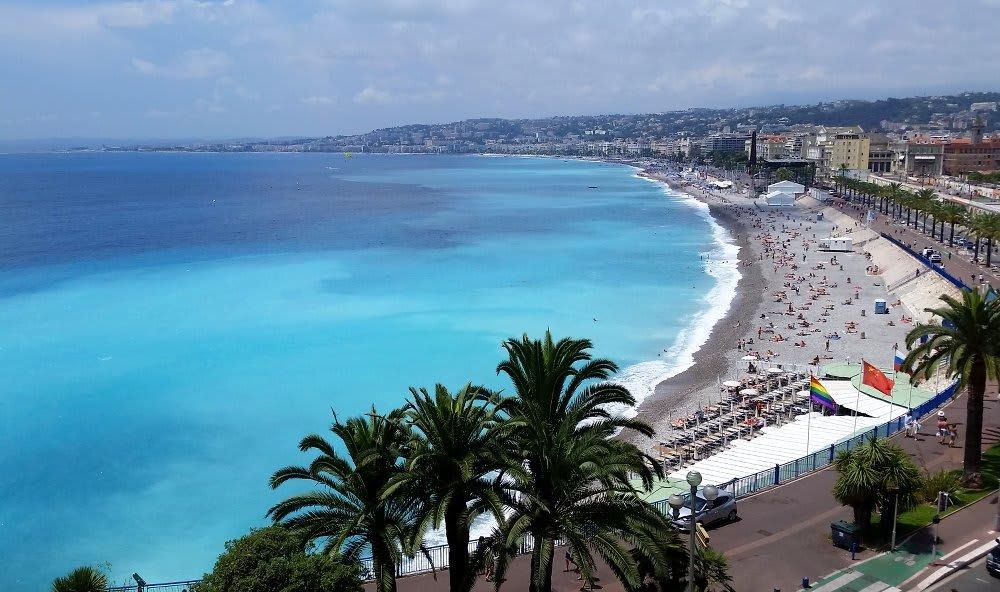
Figure 7: Nice’s Promenade des Anglais along the turquoise Mediterranean
Normandy: History and Natural Beauty
Normandy combines dramatic coastlines, historic abbeys, medieval towns, and significant World War II sites.
D-Day Landing Beaches
The beaches of Normandy, Omaha, Utah, Juno, Gold, and Sword witnessed the largest amphibious invasion in history on June 6, 1944. Museums, memorials, and cemeteries honor those who fought for European liberation.
Bayeux
This beautifully preserved medieval town houses the Bayeux Tapestry (UNESCO World Heritage Site), a 70-meter embroidered narrative depicting the Norman Conquest of England in 1066.
Honfleur
This picturesque fishing port captivated Impressionist painters with its charming harbor, slate-fronted houses, and unique wooden church of Sainte-Catherine.
Étretat
Dramatic white chalk cliffs and natural arches rising from the sea create some of France’s most spectacular coastal scenery.
Burgundy: Wine and Gastronomy
Burgundy (Bourgogne) represents the pinnacle of French wine and culinary traditions. The region’s vineyards produce some of the world’s most prestigious wines from Pinot Noir and Chardonnay grapes.
Beaune
The wine capital of Burgundy features the remarkable Hospices de Beaune, a 15th-century hospital with colorful glazed tile roofs. The historic town center is surrounded by vineyards and offers exceptional wine tasting opportunities.
Dijon
Burgundy’s capital showcases medieval and Renaissance architecture, the Palace of the Dukes of Burgundy, and gastronomic traditions including its famous mustard.
Vézelay
This UNESCO World Heritage Site features a magnificent Romanesque basilica crowning a hilltop village, offering spiritual significance and panoramic views across Burgundy’s rolling landscapes.
Alsace: Germanic Charm
Alsace, bordering Germany, blends French and Germanic cultures creating unique architecture, cuisine, and traditions.
Strasbourg
The European Parliament’s home features the stunning Gothic cathedral, La Petite France quarter with half-timbered houses over canals, and Europe’s most beautiful Christmas markets.
Colmar
This fairytale town showcases colorful half-timbered houses, flower-bedecked canals in the “Little Venice” quarter, and the Unterlinden Museum housing Grünewald’s Isenheim Altarpiece.
Route des Vins d’Alsace
The Alsace Wine Route winds 170 kilometers through vineyard-covered hills and medieval villages, offering Riesling, Gewürztraminer, and Pinot Gris tastings.
The French Alps: Mountain Majesty
The French Alps offer year-round outdoor activities, from world-class skiing to summer hiking and mountaineering.
Chamonix-Mont-Blanc
Nestled at the base of Mont Blanc (Western Europe’s highest peak at 4,808m), Chamonix hosted the first Winter Olympics in 1924. The Aiguille du Midi cable car ascends to 3,842m for breathtaking Alpine panoramas.
Annecy
The “Venice of the Alps” features canals, a medieval old town, and a stunning lake surrounded by mountains, perfect for sailing, swimming, and lakeside cycling.
Vanoise National Park
France’s first national park offers pristine Alpine wilderness with chamois, ibex, marmots, glaciers, and exceptional hiking trails connecting mountain refuges.
France’s UNESCO World Heritage Sites
France boasts 53 UNESCO World Heritage Sites, showcasing the country’s extraordinary cultural and natural heritage:
Cultural Heritage Sites (49)
France’s World-Renowned Wine Regions
France’s wine regions produce some of the world’s finest wines and offer unforgettable tasting experiences.
Bordeaux: The Wine Capital
Bordeaux and its surrounding region produce prestigious red wines from Cabernet Sauvignon and Merlot grapes, plus exceptional sweet white Sauternes.
Bordeaux Wine Experiences
Médoc Route
Drive through vineyard landscapes visiting legendary châteaux including Margaux, Latour, Mouton Rothschild, and Lafite Rothschild. Many estates offer tours of their historic cellars and tastings of their grand cru wines.
Saint-Émilion
This UNESCO World Heritage Site combines medieval architecture with prestigious wine estates. The village’s underground monolithic church, carved from limestone, creates a unique setting for wine exploration.
Bordeaux City
The elegantly restored city center (UNESCO World Heritage Site) features 18th-century architecture, the stunning Place de la Bourse reflecting in the Miroir d’Eau, and La Cité du Vin, an immersive wine museum celebrating global wine culture.
Burgundy: Terroir Excellence
Burgundy’s climats (vineyard parcels with unique characteristics) create some of the world’s most expensive wines from Pinot Noir and Chardonnay grapes.
Côte d’Or
The “Golden Slope” encompasses the Côte de Nuits (red wines) and Côte de Beaune (red and white wines). Villages like Gevrey-Chambertin, Vosne-Romanée, Pommard, and Meursault are legendary among wine enthusiasts.
Chablis
This northern Burgundy region produces exceptional Chardonnay wines with distinctive mineral character, complemented by fresh oysters, a classic pairing.
Champagne: Celebrating Excellence
The Champagne region produces the world’s most celebrated sparkling wine using traditional méthode champenoise.
Épernay and Reims
These twin capitals of Champagne house prestigious houses including Moët & Chandon, Veuve Clicquot, Taittinger, Pommery, and Ruinart. Tours through historic chalk cellars reveal millions of bottles aging in underground galleries, followed by tastings of different cuvées.
Route du Champagne
Drive through vineyard-covered hills dotted with traditional villages, visiting small grower-producers who offer intimate tastings and insights into Champagne production.
Loire Valley: Diversity and Value
The Loire Valley produces diverse wines from Sauvignon Blanc, Chenin Blanc, Cabernet Franc, and Muscadet grapes, offering excellent quality at accessible prices.
Sancerre and Pouilly-Fumé
These neighboring regions produce crisp, mineral Sauvignon Blanc wines perfectly paired with fresh goat cheese.
Vouvray
Chenin Blanc vines create wines ranging from bone-dry to intensely sweet, including traditional sparkling wines.
Rhône Valley: Bold and Elegant
The Rhône Valley produces powerful reds from Syrah, Grenache, and other varieties, plus elegant white wines.
Northern Rhône
Côte-Rôtie, Hermitage, and Condrieu produce exceptional wines from steep hillside vineyards overlooking the Rhône River.
Southern Rhône
Châteauneuf-du-Pape, Gigondas, and Côtes du Rhône Villages offer robust, spicy red wines and excellent rosés.
Alsace: Aromatic Whites
Alsace specializes in aromatic white wines, Riesling, Gewürztraminer, and Pinot Gris that pair beautifully with the region’s rich cuisine.
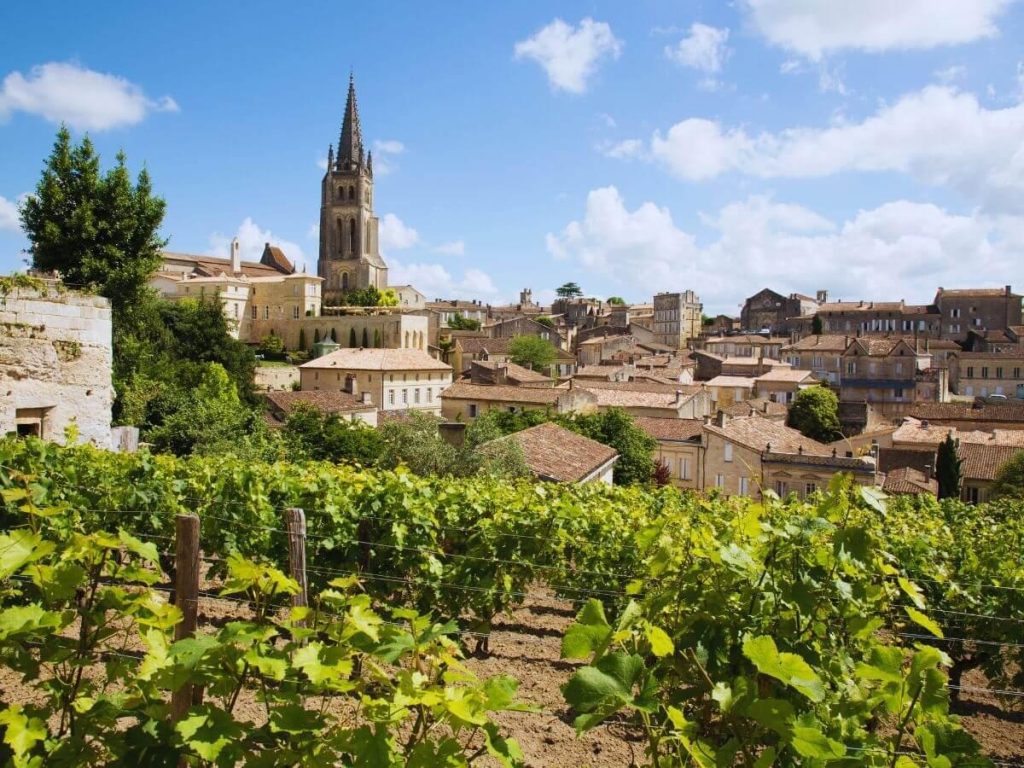
Figure 8: Vineyards with hilltop village in France’s wine country
French Gastronomy: A Culinary Journey
French cuisine, inscribed on UNESCO’s Intangible Cultural Heritage list, represents centuries of culinary refinement and regional diversity.
Michelin-Starred Excellence
France leads the world with over 630 Michelin-starred restaurants in 2026, including 30 three-star establishments representing the absolute pinnacle of gastronomy.
Notable Michelin-Starred Restaurants
Paris Three-Star Restaurants
Le Jules Verne (One Star)
Dining on the Eiffel Tower’s second floor combines breathtaking views with chef Frédéric Anton’s creative contemporary cuisine.
Bib Gourmand: Quality at Fair Prices
The 2026 Michelin Guide features 430 Bib Gourmand restaurants in France, celebrating excellent quality at reasonable prices. These establishments offer authentic regional cuisine, seasonal ingredients, and genuine hospitality without the formality of starred restaurants.
Essential French Dishes
| Dish | Description |
| Coq au Vin | Chicken braised in red wine with mushrooms, bacon, and pearl onions, classic Burgundy |
| Bouillabaisse | Traditional Provençal fish stew with saffron, served with rouille and croutons |
| Boeuf Bourguignon | Beef slowly braised in red Burgundy wine with vegetables, ultimate comfort food |
| Duck Confit | Duck legs preserved in their own fat until tender, typically served with potatoes |
| Ratatouille | Provençal vegetable stew with eggplant, zucchini, peppers, and tomatoes |
| Sole Meunière | Dover sole sautéed in butter with lemon, classic French technique |
| Steak Frites | Grilled steak with French fries, found in every brasserie |
| Quiche Lorraine | Savory tart with eggs, cream, and bacon from Lorraine region |
| Crêpes | Thin pancakes, sweet (with Nutella, sugar-lemon) or savory (galettes with ham-cheese-egg) |
| Cassoulet | Slow-cooked white bean casserole with duck, pork, and sausage from southwest France |
Table 1: Essential French dishes to experience
French Cheese
France produces over 400 varieties of cheese, each region offering distinctive specialties:
French Pastries and Desserts
Regional Specialties
Brittany: Crêpes, galettes, seafood, salted butter caramel
Normandy: Camembert, calvados, cider, seafood
Alsace: Choucroute (sauerkraut with sausages), tarte flambée, foie gras
Provence: Bouillabaisse, ratatouille, tapenade, socca
Lyon: Quenelles, saucisson, andouillette, praline tart
Southwest: Cassoulet, duck confit, foie gras, Armagnac
Best Time to Visit France
France’s diverse regions offer year-round appeal, with optimal timing depending on your interests and destinations.
Spring (April – May) ★★★★★ BEST OVERALL
Why Spring Excels:
Spring Highlights:
Ideal for: First-time visitors, photographers, garden enthusiasts, cultural travelers, romantic getaways
Summer (June – August) ★★★★☆ HIGH SEASON
Summer Advantages:
Summer Considerations:
Best summer destinations: French Riviera, Brittany and Normandy coasts, French Alps, Provence (for lavender)
Ideal for: Beach lovers, festival goers, families (school holidays), outdoor enthusiasts
Autumn (September – November) ★★★★★ IDEAL SEASON
Why Autumn Is Exceptional:
Autumn Highlights:
Ideal for: Wine enthusiasts, food lovers, photographers, cultural travelers, couples seeking romance without crowds
Winter (December – February) ★★★☆☆
Winter Opportunities:
Winter Considerations:
Best winter destinations:
Ideal for: Ski enthusiasts, budget travelers, Christmas market lovers, those avoiding crowds
Monthly Weather and Event Guide
| Month | Temperature | Highlights & Events |
| March | 7-13°C | Spring begins, Paris Fashion Week |
| April | 10-16°C | Easter celebrations, gardens bloom |
| May | 13-20°C | Cannes Film Festival, Monaco Grand Prix |
| June | 16-24°C | Lavender begins blooming, summer festivals start |
| July | 18-26°C | Bastille Day (July 14), Tour de France, peak lavender |
| August | 18-26°C | French vacation month, high season everywhere |
| September | 15-22°C | Grape harvest, fewer crowds, ideal weather |
| October | 11-17°C | Autumn colors, truffle season begins |
| November | 7-11°C | Beaujolais Nouveau release, pre-Christmas season |
| December | 3-7°C | Christmas markets, skiing begins, festive atmosphere |
| January | 2-7°C | Winter sales, quietest tourist season |
| February | 3-9°C | Peak ski season, Nice Carnival, winter truffles |
Table 2: Monthly weather patterns and seasonal highlights
Regional Timing Recommendations
Paris: Excellent year-round; spring and autumn ideal
Loire Valley: April-October for château visits
Provence: April-October; June-July for lavender
French Riviera: May-September; also pleasant November-March
Burgundy and Bordeaux: September-October for harvest season
Normandy and Brittany: May-September for pleasant weather
French Alps: December-April for skiing; July-August for hiking
Alsace: May-October; December for Christmas markets
Travel Information for UAE and Dubai Residents
France Visa Requirements for UAE Residents
UAE nationals enjoy visa-free access to France for stays up to 90 days. UAE residents of other nationalities require a Schengen visa.
Schengen Visa for UAE Residents
Visa Application Process
Step 1: Determine visa requirements for your nationality
Step 2: Complete online application at French visa application center website
Step 3: Gather all required documents
Step 4: Book appointment at VFS Global center in Dubai or Abu Dhabi
Step 5: Attend appointment, submit documents, provide biometrics
Step 6: Pay visa fee (approximately AED 345 for tourist visa)
Step 7: Track application status online
Step 8: Collect passport with visa
Processing Time: Typically 7-15 working days
Visa Validity: Usually matches requested travel dates, up to 90 days
Multiple Entry: Can be requested; granted at embassy discretion
Travel Safety and Practical Considerations
Is France Safe for Tourists?
France is generally safe for tourists with standard precautions recommended for major cities. Millions of visitors travel to France annually without incident. Exercise normal caution regarding pickpockets in crowded tourist areas, particularly Paris Metro, Eiffel Tower area, and busy attractions.
Safety Tips:
Cultural Etiquette
Greetings:
Dining Etiquette:
Social Customs:
Shopping:
Currency and Payments
Currency: Euro (EUR) – €1 = approximately AED 4.00 (rate varies)
Payment Methods:
Money Tips:
Language
French is the official language. While English is spoken in tourist areas, hotels, and major attractions, learning basic French phrases greatly enhances your experience and is appreciated:
Transportation in France
Getting to France from Dubai
Flight Options:
Multiple daily direct flights operate between Dubai and Paris:
Airlines: Emirates, Air France, Etihad (via Abu Dhabi), and European carriers
Transportation Within France
High-Speed Trains (TGV)
France’s exceptional rail network connects major cities efficiently:
Book tickets in advance at www.sncf-connect.com for best prices. First-class offers extra space and amenities.
Rental Cars
Ideal for exploring wine regions, Loire châteaux, Provence villages, and countryside:
Metro and Public Transport
Taxis and Ride-Sharing
Domestic Flights
Air France and budget carriers connect major cities when time is limited.
Accommodation Options
Luxury Hotels (5-Star)
Palace hotels in Paris, belle époque properties on Riviera, château hotels in Loire Valley and Bordeaux wine regions offer ultimate luxury and service.
Boutique and Character Hotels (4-Star)
Smaller properties with personality, often in historic buildings with unique décor and attentive service.
Mid-Range Hotels (3-Star)
Reliable comfort, cleanliness, and convenience. Chains include Mercure, Novotel, and Ibis.
Apartments and Vacation Rentals
Ideal for longer stays or families. Airbnb, VRBO offer options from Parisian apartments to countryside cottages.
Château and Manor Houses
Unique experiences staying in historic properties, particularly in Loire Valley and Dordogne.
Shopping and Value-Added Tax (VAT) Refunds
France offers excellent shopping from haute couture to local markets.
Tax-Free Shopping (Détaxe):
Non-EU residents can reclaim VAT (20%) on purchases over €100.01 from same store on same day:
Best Shopping:
Suggested Itineraries
Classic France: 10-Day Grand Tour
Day 1-3: Paris
Day 4: Versailles
Day 5-6: Loire Valley
Day 7-8: Provence
Day 9-10: French Riviera
France Wine Lover’s Journey: 14 Days
Days 1-3: Champagne Region
Days 4-7: Burgundy
Days 8-10: Lyon
Days 11-14: Bordeaux Region
Romantic France: 7-Day Couples Escape
Days 1-3: Paris
Days 4-5: Provence
Days 6-7: French Riviera
France with Family: 12 Days
Days 1-4: Paris
Days 5-7: Normandy
Days 8-10: Loire Valley
Days 11-12: Dordogne
Why Book with Blue Rose Travel and Tourism LLC?
Your Trusted Partner for France Travel
Blue Rose Travel and Tourism LLC, headquartered in Dubai, brings 28 years of expertise in worldwide travel services, creating exceptional journeys to France and global destinations.
Our France Travel Services
Why Choose Blue Rose Travel for France?
Deep Regional Expertise
Our team possesses comprehensive knowledge of France’s regions, from hidden Provence villages to prestigious Bordeaux châteaux, ensuring authentic experiences beyond typical tourist circuits.
Personalized Approach
We craft bespoke itineraries reflecting your unique interests—whether you’re passionate about impressionist art, seeking romantic getaways, planning family adventures, or embarking on culinary journeys.
Established Connections
Direct relationships with luxury hotels, Michelin-starred restaurants, wine estates, and local guides provide exclusive access and enhanced experiences unavailable to independent travelers.
Seamless Experience
From initial consultation through final departure, we manage every detail—visa processing, accommodation, transportation, reservations, and tours—allowing you to simply enjoy France.
Value and Quality
Strategic partnerships enable competitive pricing without compromising quality. We ensure every euro delivers maximum value and memorable experiences.
Dubai-Based Convenience
As a UAE-based agency, we understand Gulf travelers’ preferences and requirements, offering accessible consultation, familiar payment methods, and cultural sensitivity.
Multilingual Service
Our team assists in English, Arabic, and French, eliminating language barriers and facilitating smooth communication throughout your journey.
Practical Travel Tips
Best Apps for France Travel
Health and Medical Considerations
Connectivity
Environmental Considerations and Sustainability
France emphasizes sustainable tourism:
Photography Tips
Best Photo Locations:
Photography Etiquette:
Frequently Asked Questions
Do UAE residents need a visa to visit France?
UAE nationals can visit France visa-free for up to 90 days. UAE residents of other nationalities require a Schengen visa, which takes 7-15 days to process through VFS Global centers in Dubai or Abu Dhabi.
What is the best time to visit France?
Spring (April-May) and autumn (September-October) offer ideal weather with fewer crowds. Summer (June-August) is warmest and busiest. Winter suits ski enthusiasts and those seeking Christmas market experiences.
How many days do I need to visit France?
A minimum of 7-10 days allows visiting Paris and 1-2 additional regions. Two weeks enables comprehensive exploration of Paris, Loire Valley, Provence, and French Riviera. Three weeks permits adding wine regions, Normandy, or French Alps.
Is France expensive for tourists?
France offers options for all budgets. Paris and French Riviera are pricier; countryside regions more affordable. Budget €100-150/day for mid-range travel including accommodation, meals, and attractions. Luxury travel €300+/day. Wine regions and smaller cities offer better value than Paris.
Can I use my credit card in France?
Yes, credit cards (Visa, Mastercard) widely accepted. Carry some cash for small shops, markets, and rural areas. Contactless payment common. Notify your bank of travel dates to avoid card blocks.
Is it necessary to speak French?
English spoken in tourist areas, major hotels, and by tour guides. However, learning basic French phrases is appreciated and enhances experiences. Many French people speak some English but appreciate efforts to speak French first.
What should I pack for France?
Essentials: Comfortable walking shoes, layers for variable weather, smart casual clothes for restaurants, travel adapter (Type C/E plug), reusable water bottle, daypack for sightseeing.
Seasonal: Summer—sun protection, light clothes, swimsuit. Winter—warm coat, scarf, gloves. Spring/Autumn—light jacket, umbrella.
Cultural: Modest dress for churches. Parisians dress stylishly, avoid overly casual attire.
Are there any dress codes in France?
Casual-smart dress appreciated, especially in restaurants and cities. Beach attire only for beach. Cover shoulders and knees in churches and cathedrals. Some Michelin-starred restaurants require jackets for men.
What are French dining customs?
Meals are leisurely, don’t rush. Lunch typically 12:00-14:00, dinner from 19:30-22:00. Many restaurants closed Sunday evening and Monday. Reservations recommended for popular restaurants. Service charge included in bill; small additional tip (5-10%) for excellent service appreciated.
Is tap water safe in France?
Yes, tap water (eau du robinet) is safe and high quality throughout France. Restaurants must provide free tap water if requested. Bottled water widely available if preferred.
Can I visit multiple countries on a Schengen visa?
Yes, a Schengen visa allows travel throughout 27 European countries. France serves as an excellent base for exploring neighboring countries, Switzerland, Italy, Spain, and Belgium all easily accessible.
What about luggage and VAT refunds?
Non-EU residents can claim VAT refunds (détaxe) on purchases over €100.01. Keep receipts, get tax-free forms stamped at airport customs before checking bags, process refund before departing EU.
Special Interest Experiences
For Art Lovers
For History Enthusiasts
For Outdoor Adventurers
For Families
Seasonal Events and Festivals
Spring Events
Summer Events
Autumn Events
Winter Events
ur expert team to begin planning your personalized French journey.
Blue Rose Travel and Tourism LLC
Location: Dubai, United Arab Emirates
Specialization: Worldwide Travel Services, MICE Services, Destination Marketing
Experience: 28 Years of Excellence in Travel Services
France Expertise:
Why Choose Us for France:
Begin Your French Adventure
France awaits with open arms, ready to enchant you with its artistic treasures, architectural masterpieces, legendary wines, extraordinary cuisine, and diverse landscapes. From the romantic streets of Paris to lavender-scented Provence, from prestigious Bordeaux vineyards to sun-drenched Riviera beaches, France offers journeys that create lifelong memories.