Jewel of the Adriatic Coast
Introduction: Why Visit Croatia
Croatia captivates visitors with a rare combination of attributes that few destinations can match, stunning natural beauty, remarkably preserved medieval architecture, a dramatic coastline stretching over 1,800 kilometers, and a cultural heritage spanning from Roman emperors to Venetian merchants to Austro-Hungarian elegance. The country has emerged as one of Europe’s hottest destinations, earning a place on Wanderlust’s best 26 places to visit in 2026 thanks to its “remarkable history, rich cultural heritage and distinctive identity”.
The Croatian coast, following the eastern Adriatic shoreline from the Istrian Peninsula in the north to Dubrovnik in the south, offers what many consider Europe’s most beautiful seaside experiences. Unlike sandy beaches, Croatia features distinctive pebble shores and rocky coves with extraordinarily clear waters, visibility often reaching 50 meters, revealing underwater landscapes of sea urchins, colorful fish, and ancient shipwrecks. Over 1,185 islands (only 48 inhabited) create an island-hopping paradise accessible by ferry, catamaran, and private boat.
Inland, Croatia surprises visitors with eight national parks showcasing diverse landscapes: Plitvice Lakes’ cascading turquoise waterfalls (Croatia’s most famous natural wonder and UNESCO World Heritage Site), Krka’s swimming-friendly falls, Kornati Islands’ nautical paradise, and Paklenica’s dramatic canyons. Medieval towns like Dubrovnik, Split, and Rovinj transport visitors centuries back through remarkably preserved architecture, while Zagreb’s capital city vibrancy and continental Croatia’s wine regions add depth beyond coastal attractions.
Croatia joined the European Union in 2013 and adopted the Euro currency in 2023, making travel more convenient while maintaining excellent value compared to Western European destinations. The country’s tourism infrastructure has improved dramatically while preserving authentic character, modern hotels and restaurants coexist with family-run konobas (taverns) and centuries-old stone houses converted to charming accommodations.
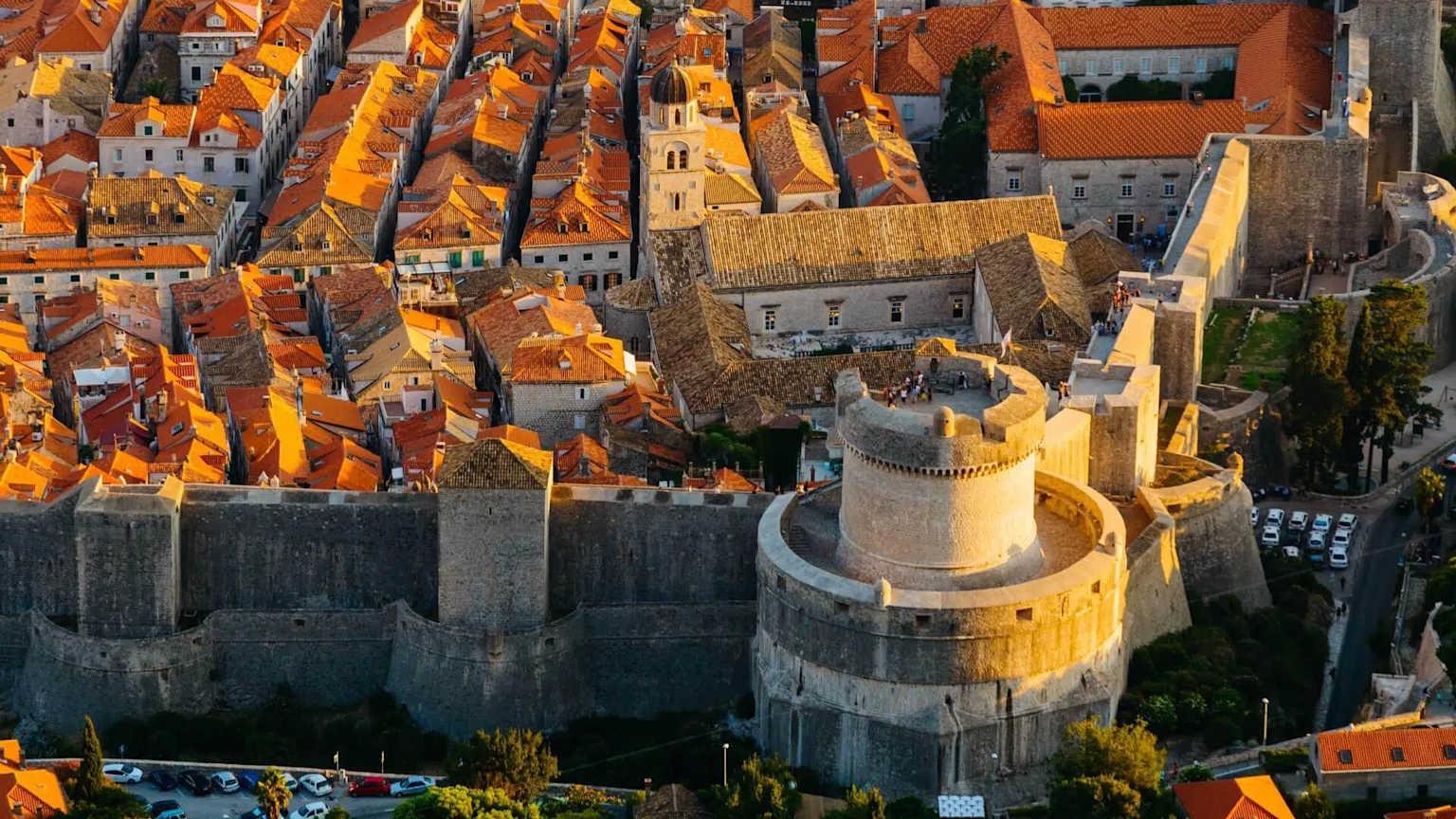
Figure 1: The magnificent medieval walls of Dubrovnik overlooking terracotta rooftops and the sparkling Adriatic Sea at sunset
Top Destinations and Attractions
1. Dubrovnik – The Pearl of the Adriatic
Dubrovnik, Croatia’s most famous city, mesmerizes visitors with its magnificent medieval walls encircling a perfectly preserved old town of marble streets, baroque churches, and Renaissance palaces overlooking the azure Adriatic. This UNESCO World Heritage Site gained additional fame as the filming location for King’s Landing in HBO’s Game of Thrones, but its beauty and historical significance far transcend pop culture references.
Dubrovnik City Walls:
Walking atop Dubrovnik’s ancient fortifications ranks among Europe’s most spectacular urban experiences. The 2-kilometer circuit of massive stone walls (up to 25 meters high and 6 meters thick) completely encircles the Old Town, offering breathtaking views across terracotta rooftops to the shimmering sea and nearby islands. Built between the 12th and 17th centuries, these walls successfully protected Dubrovnik’s independence as a maritime republic rivaling Venice.
The walk takes 1.5-2 hours, best undertaken early in the morning (gates open at 8:00 AM) to avoid crowds and heat. Multiple fortresses punctuate the walls, Minčeta Tower (the highest point), Bokar Fortress, St. John’s Fortress (housing the Maritime Museum), and the photogenic Lovrijenac Fortress standing on a cliff outside the walls.
Old Town (Stari Grad) Highlights:
Stradun (Placa): The main marble-paved thoroughfare bisecting Old Town, lined with cafes, shops, and historic buildings, culminating at the ornate Onofrio’s Fountain and beautiful Sponza Palace
Rector’s Palace: Gothic-Renaissance palace showcasing Dubrovnik’s former government seat, now a museum displaying period furnishings, art, and historical artifacts
Cathedral of the Assumption: Baroque cathedral housing religious art and relics, including an arm and leg of Saint Blaise (Dubrovnik’s patron saint) in ornate golden reliquaries
Dominican Monastery: Gothic-Renaissance complex with beautiful cloister and museum containing paintings by Titian, Lovro Dobričević, and other masters
Franciscan Monastery: Housing Europe’s third-oldest pharmacy (operating since 1317) and a serene cloister with arched columns
Beyond the Walls:
Take the cable car to Mount Srđ for panoramic city and coastline views, particularly spectacular at sunset
Kayak around the city walls and to Lokrum Island, combining sea-level perspectives with swimming breaks
Visit Lokrum Island nature reserve (10-minute boat ride) featuring botanical gardens, peacocks, Game of Thrones Iron Throne replica, and swimming spots
Relax at Banje Beach just outside Old Town walls, offering postcard views of the fortified city
Explore Lapad Peninsula’s beaches and waterfront promenade for local atmosphere away from tourist crowds
Take a Game of Thrones tour visiting filming locations including the Walk of Shame stairs, Red Keep locations, and Blackwater Bay
Practical Information: Dubrovnik can be overwhelmingly crowded May-September, particularly when cruise ships dock (sometimes 3-4 simultaneously). Visit early morning or late afternoon for more peaceful experiences. Allocate 2-3 days minimum. Accommodation is expensive, consider staying in Lapad or Gruž neighborhoods for better value while remaining close to Old Town. The airport is 20 kilometers south; frequent buses connect to the city center.
2. Split – Ancient Meets Modern on the Dalmatian Coast
Split, Croatia’s second-largest city with approximately 200,000 residents, uniquely blends ancient Roman architecture with vibrant modern Mediterranean life. The city literally grew from and around Diocletian’s Palace, Roman Emperor Diocletian’s retirement residence built around 305 CE, creating an extraordinary urban environment where restaurants occupy Roman basements, apartments fill ancient walls, and daily life unfolds within 1,700-year-old structures.
Figure 2: The remarkable Diocletian’s Palace in Split, Croatia, a UNESCO World Heritage Site where Roman ruins form the living heart of the modern city
Diocletian’s Palace:
This UNESCO World Heritage Site represents one of the world’s most impressive Roman ruins and most unusual urban centers. Unlike typical archaeological sites cordoned off from modern life, Diocletian’s Palace functions as Split’s vibrant old town; approximately 3,000 people live within its ancient walls, while countless shops, restaurants, bars, and galleries occupy Roman structures.
The palace complex originally featured luxurious imperial apartments, temples, military quarters, and waterfront promenades. Today’s visitors can explore:
Peristyle Square: The palace’s central square featuring well-preserved Roman columns, Egyptian sphinx (brought from Egypt by Diocletian), and steps where locals and tourists gather, frequently hosting performances and events
Cathedral of St. Domnius: Originally Diocletian’s mausoleum, converted to a church in the 7th century, featuring Romanesque-Gothic bell tower (climb 183 steps for spectacular city views)
Temple of Jupiter: Small but beautifully preserved Roman temple with barrel-vaulted ceiling and headless sphinx guarding the entrance
Palace Basements: Underground chambers once used for storage and service areas, now open to visitors, revealing the palace’s original ground plan (many areas were Game of Thrones filming locations for Daenerys’s throne room)
Golden Gate, Silver Gate, Iron Gate, Bronze Gate: The four original palace entrances, with Golden Gate being the most impressive, featuring a modern statue of Bishop Grgur Ninski (rub his toe for good luck, local tradition)
Split Beyond the Palace:
Riva Promenade: Split’s palm-lined waterfront walkway perfect for morning coffee or evening strolls, connecting the palace to the harbor
Marjan Hill: Forest park peninsula offering hiking trails, viewpoints overlooking the city and islands, beaches along the western side, and escape from urban heat
Green Market (Pazar): Lively daily market just outside palace walls selling fresh produce, local honey, lavender products, and regional specialties
Bačvice Beach: Split’s most popular city beach, famous for picigin (traditional Dalmatian ball game played in shallow water)
Meštrović Gallery: Museum in the former home of Croatia’s greatest sculptor, Ivan Meštrović, displaying his works in a beautiful villa with sea views
Day Trips from Split:
Split serves as an ideal base for exploring Central Dalmatia:
Ferry to Brač Island to visit Zlatni Rat (Golden Horn), Croatia’s most photographed beach, a unique spit that changes shape with currents and winds
Ferry to Hvar Island (1 hour) for lavender fields, upscale beach clubs, and medieval towns
Visit Trogir (30 minutes by bus), a UNESCO-listed island town with remarkably preserved Romanesque-Renaissance architecture
Day trip to Krka National Park (1 hour) to see waterfalls and swim below the falls
Blue Cave tour visiting Vis Island, Biševo’s magical blue cave, and multiple island stops
Practical Information: Split Airport is 25 kilometers west; frequent buses serve the city. The city functions as Croatia’s ferry hub, with catamarans and ferries departing to islands and coastal towns. Allocate 2-3 days for Split itself, more if using it as a base for day trips. Accommodation ranges from apartments in palace walls to modern hotels. Less expensive than Dubrovnik with a more local atmosphere.
3. Plitvice Lakes National Park – Croatia’s Natural Wonder
Plitvice Lakes National Park, Croatia’s most visited natural attraction and UNESCO World Heritage Site, astounds visitors with a cascading wonderland of 16 turquoise lakes connected by waterfalls, wooden boardwalks threading through pristine forests, and an ecosystem supporting brown bears, wolves, and rare bird species. The sheer beauty of emerald and azure waters, travertine barriers creating natural dams, and numerous waterfalls ranging from gentle cascades to powerful Veliki Slap (Big Waterfall, 78 meters high) creates scenes that appear almost artificially perfect.
Plitvice Features:
The park divides into Upper Lakes (12 lakes) and Lower Lakes (4 lakes), spanning approximately 300 square kilometers of forests, meadows, and water. The unique geology, porous limestone and dolomite forming travertine barriers, creates the distinctive turquoise color and continues building new formations as calcium carbonate deposits accumulate.
Visiting Plitvice:
Multiple entrance points (Entrance 1 and Entrance 2) with different hiking routes, shortest routes take 2-3 hours, longest up to 8 hours
Wooden boardwalks allow close-up waterfall experiences while protecting the fragile ecosystem
Electric boats ferry visitors across the largest lake (Lake Kozjak), panoramic trains connect distant points
Swimming is strictly prohibited despite tempting crystal-clear waters, preservation takes priority
The park is spectacular year-round: lush green in summer, fall colors in autumn, frozen waterfalls in winter, flowing waters in spring
Best visited early morning or late afternoon to avoid crowds, particularly in peak summer season
Book tickets online in advance during high season (June-September) as daily visitor numbers are limited
Practical Information: Located in central Croatia between Zagreb and Zadar (approximately 2 hours from each). Most accessible by car or organized tours. Overnight accommodation available in park hotels or nearby villages. Allocate a full day minimum; enthusiasts should consider 2 days for multiple trails. Bring comfortable waterproof hiking shoes, boardwalks can be slippery. Weather changes quickly, pack layers.
4. Hvar – The Sunniest Island
Hvar Island, frequently ranked among the world’s most beautiful islands, combines stunning natural beauty, rich history, lavender fields, vineyards, upscale beach clubs, and the sunniest climate in Croatia (2,718 hours of sunshine annually). The island stretches 68 kilometers long, featuring dramatic landscapes from mountains to secluded coves to the charming UNESCO-listed Stari Grad Plain with its ancient Greek agricultural patterns.
Hvar Town:
The island’s most vibrant settlement, Hvar Town, wraps around a natural harbor dominated by a hilltop Venetian fortress. The marble Stari Grad (main square) ranks among Croatia’s largest and most beautiful piazzas, flanked by the Cathedral of St. Stephen, Renaissance Arsenal (housing Croatia’s oldest public theater), and waterfront cafes.
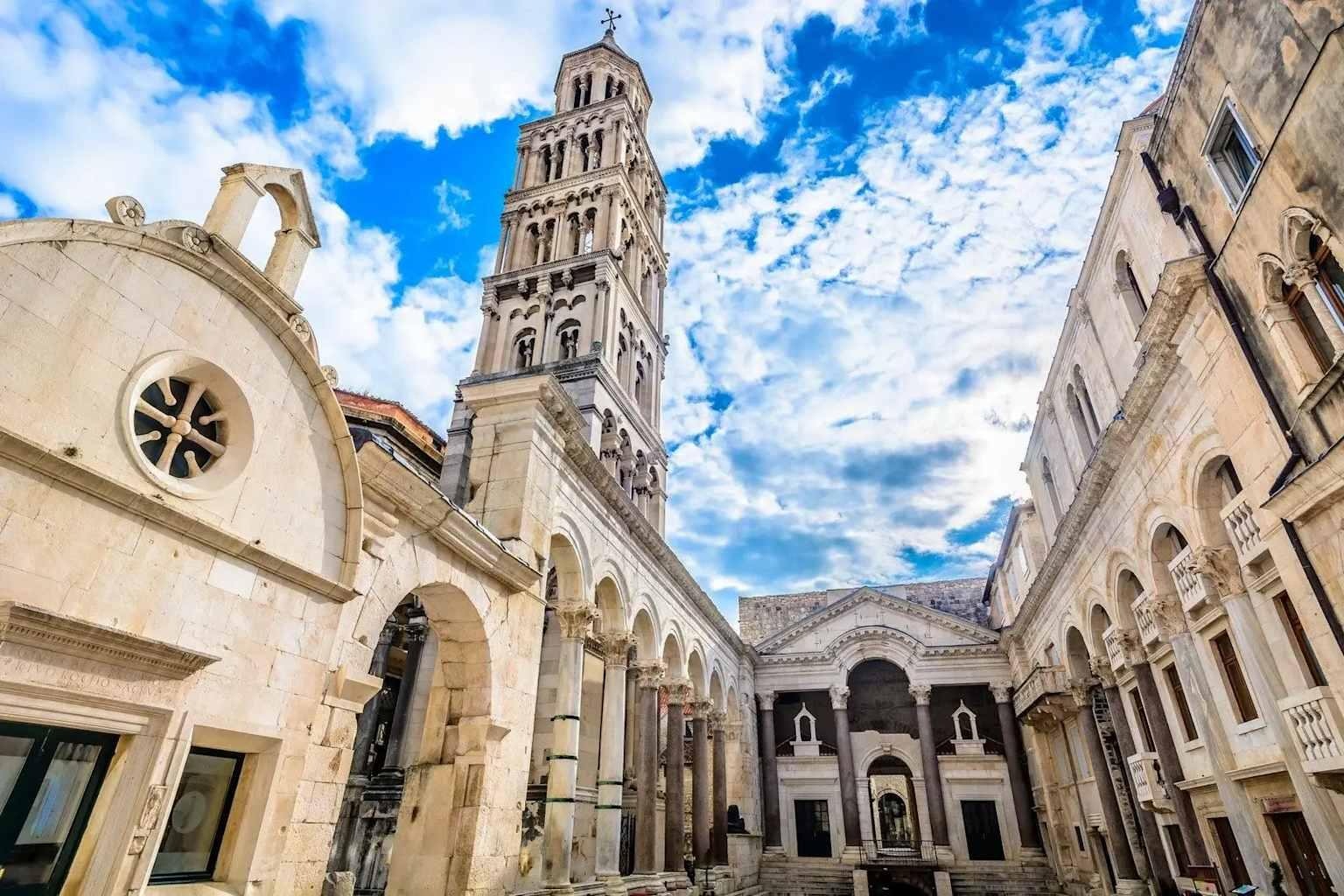
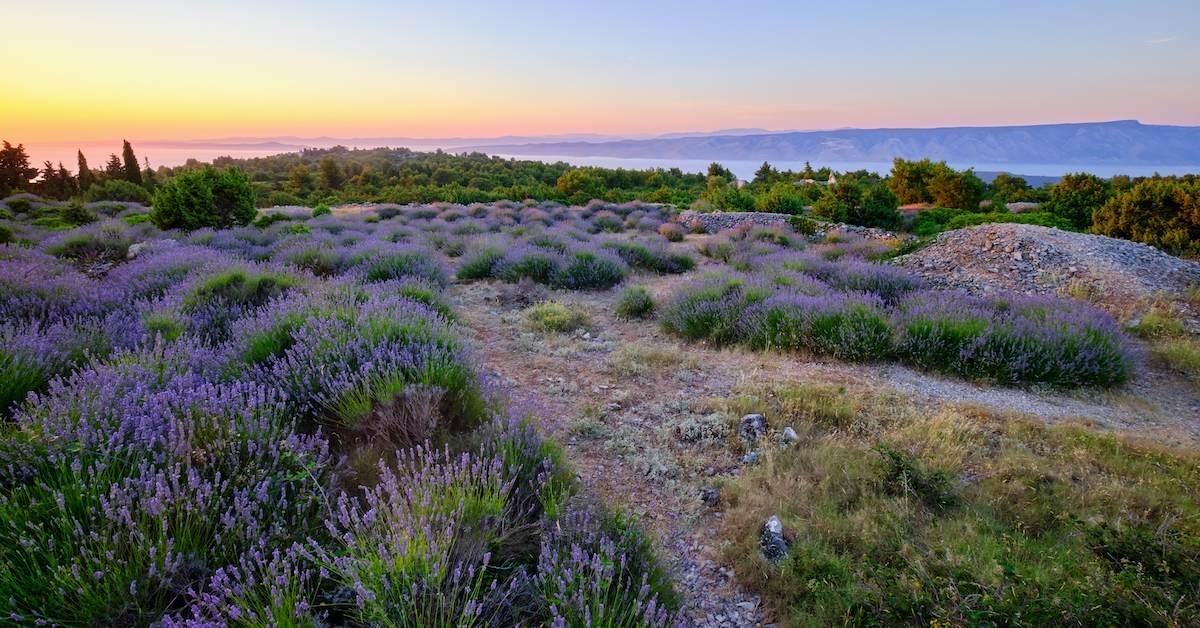
Figure 3: Lavender fields in bloom on Hvar Island, Croatia, where purple blossoms meet the azure Adriatic creating the island’s signature landscape
Hvar Experiences:
Climb to Fortica (Spanish Fortress) for panoramic views across town, harbor, and Pakleni Islands
Take boat trips to Pakleni Islands, an archipelago of small islands with secluded beaches, beach clubs (Laganini Lounge is popular), crystal-clear swimming, and naturist beaches
Visit Stari Grad, the island’s oldest settlement (founded 384 BCE by ancient Greeks), offering quieter charm than Hvar Town
Explore lavender fields (blooming June-July) that have made Hvar famous for lavender products, oils, soaps, honey
Tour Hvar’s interior villages where time seems stopped, visiting family vineyards producing excellent Plavac Mali red wine
Enjoy upscale beach clubs and nightlife, Hvar attracts international jet-set and yacht culture
Kayak to hidden coves and secluded beaches accessible only by water
Travel Information: Accessible by catamaran from Split (1 hour) or car ferry (2 hours). High-season accommodation books far in advance, reserve early. Hvar Town caters to upscale travelers with higher prices; Stari Grad and Jelsa offer better value. Rent a scooter or car to explore the island independently. Allocate 2-4 days.
5. Rovinj – Istria’s Venetian Gem
Rovinj, on the western Istrian Peninsula, enchants visitors as Croatia’s most romantic town, a photogenic jumble of colorful houses cascading down a peninsula to the sea, narrow cobblestone streets winding upward to the hilltop church, Venetian-era architecture everywhere, and fishing boats bobbing in a picturesque harbor. Unlike the Dalmatian coast, Istria shows stronger Italian influence from centuries of Venetian rule, evident in architecture, cuisine, and local dialect.
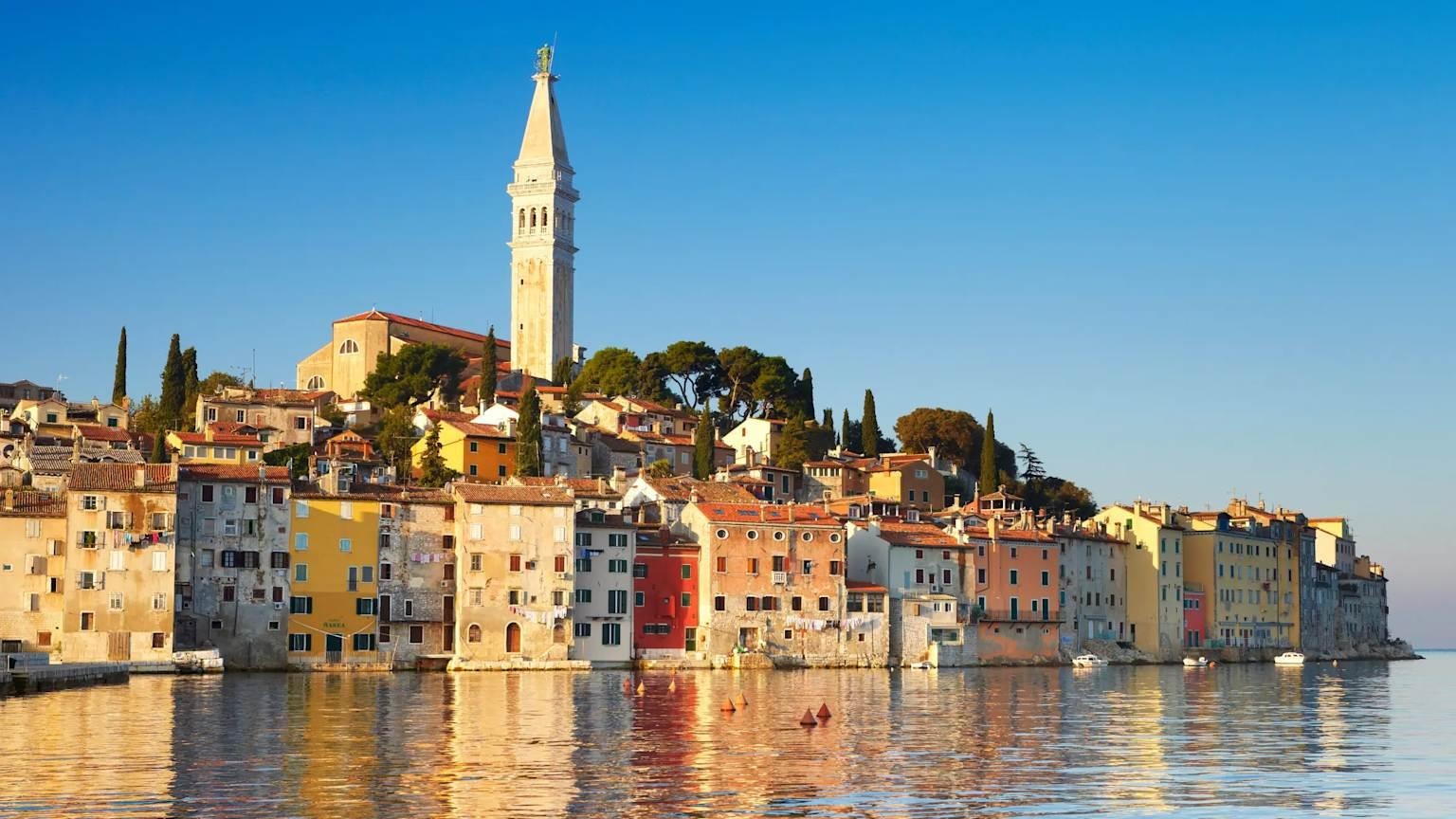
Figure 4: The enchanting old town of Rovinj with colorful buildings reflected in the harbor at sunset, showcasing Istria’s Italian-influenced coastal beauty
Rovinj Highlights:
St. Euphemia Church: The town’s landmark baroque church crowning the highest point, with a 60-meter bell tower modeled on Venice’s St. Mark’s Campanile, climb for spectacular views
Grisia Street: The main artery climbing through old town, lined with art galleries, craft shops, and studios, hosts an annual open-air art exhibition in August
Old Town Exploration: Wander the maze of narrow alleys, stumbling upon hidden squares, archways, and staircases offering frame-worthy views at every turn
Waterfront Promenades: Walk along the sea on multiple levels, with restaurants, gelato shops, and sunset views
Beaches and Islands: Rovinj is surrounded by 22 small islands and numerous beaches, take water taxis to Red Island or Forest Park Zlatni Rt (Golden Cape) for swimming and nature walks
Istrian Experiences:
Visit Pula to see one of the world’s best-preserved Roman amphitheaters, still hosting concerts and events
Explore hilltop medieval towns: Motovun, Grožnjan, Hum (claimed as world’s smallest town)
Tour truffle-rich forests of central Istria, dining at excellent restaurants featuring Istrian truffles, prosciutto, and wines
Taste Istrian wines at family wineries producing Malvazija (white) and Teran (red)
Sample Istrian olive oils, the region produces world-class extra virgin varieties
Travel Information: Pula Airport serves Istria (40 km south of Rovinj). The region works excellently for driving itineraries combining coast and hilltop towns. Less crowded than Dalmatia. Allocate 2-3 days for Rovinj and Istrian explorations.
6. Korčula – The Birthplace of Marco Polo
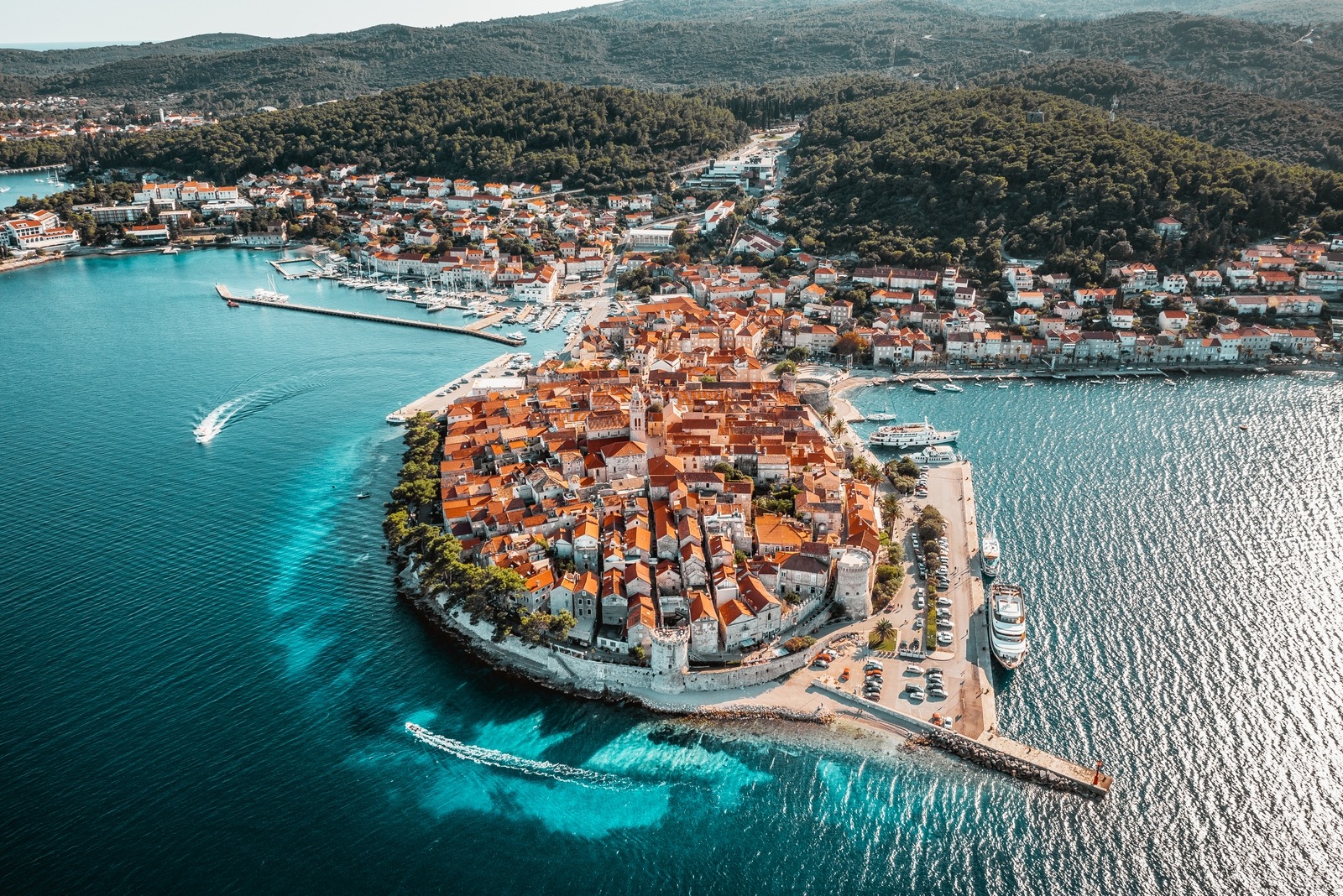
Korčula Island and its medieval walled town claim fame as the alleged birthplace of explorer Marco Polo (disputed by Venice). The fortified old town on a small peninsula features a remarkable herringbone street pattern designed for ventilation and defense, with Gothic-Renaissance architecture rivaling Dubrovnik’s beauty in more intimate dimensions.
Korčula Highlights:
Walk the medieval walls and towers surrounding old town
Visit the Cathedral of St. Mark with its distinctive bell tower and alleged Marco Polo birth house
Watch Moreška sword dance, traditional performance with elaborate choreography unique to Korčula
Explore surrounding villages, wineries (famous for Pošip and Grk white wines), and beautiful beaches
Swim at Pupnatska Luka, one of Korčula’s most beautiful beaches with pebbles and turquoise water
7. Krka National Park – Swim Below the Waterfalls
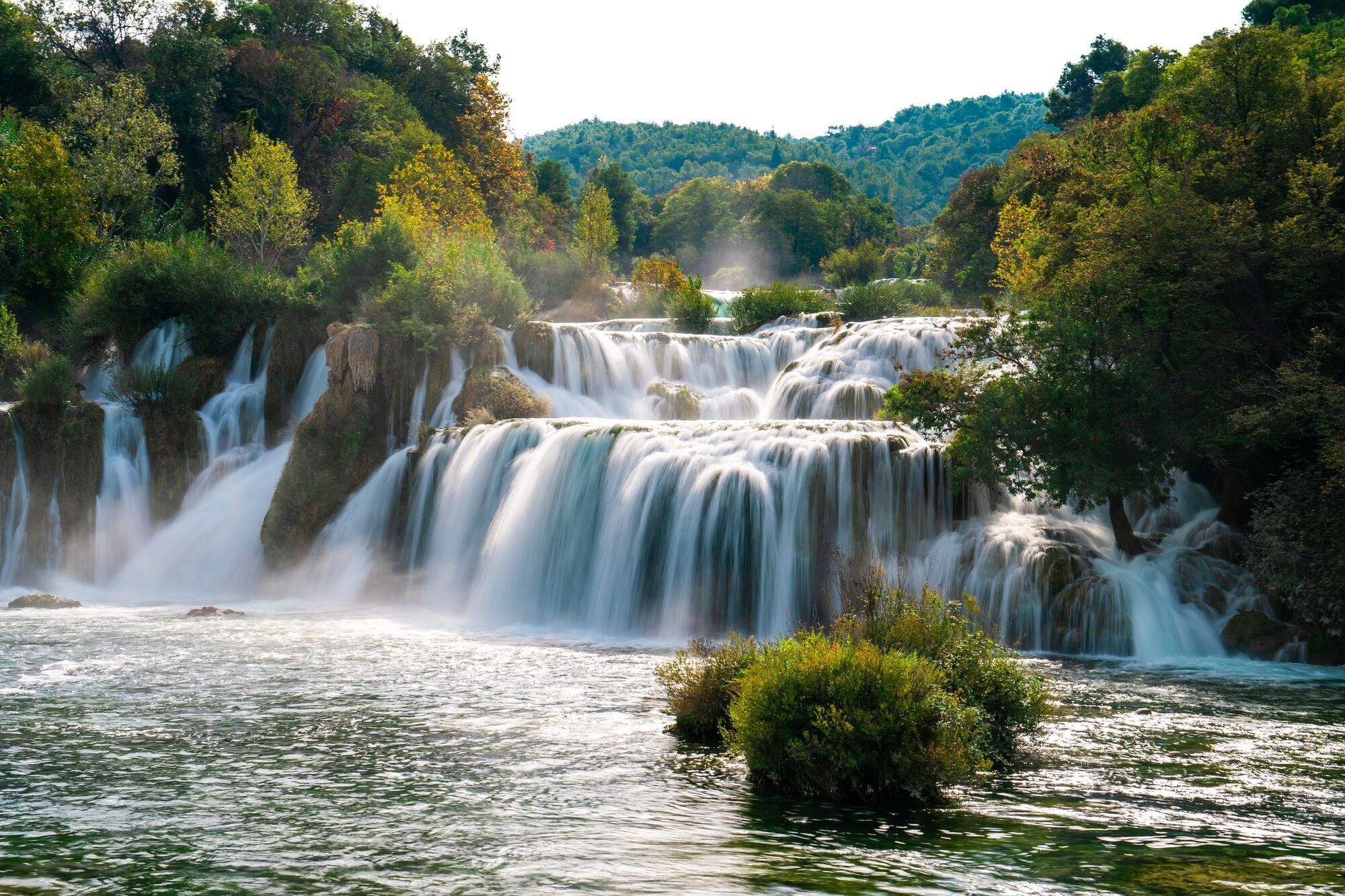
Krka National Park, following the Krka River through canyons, lakes, and multiple waterfalls, offers natural beauty rivaling Plitvice with a key difference, swimming is permitted below Skradinski Buk waterfall. This accessibility makes Krka extremely popular during summer months.
Krka Features:
Skradinski Buk, the main waterfall complex with 17 cascades and designated swimming area
Wooden boardwalks threading past waterfalls and through forests
Visovac Island monastery in the middle of the lake, accessible by boat
Roški Slap waterfall area with historic watermills
Boat tours connecting different park sections and to riverside towns
Travel Information: Located near Šibenik on the coast (1 hour from Split, 1.5 hours from Zadar). Accessible by car, bus, or boat tours. Extremely crowded in summer, visit early morning. Allocate half to full day.
8. Mljet Island – Green Paradise
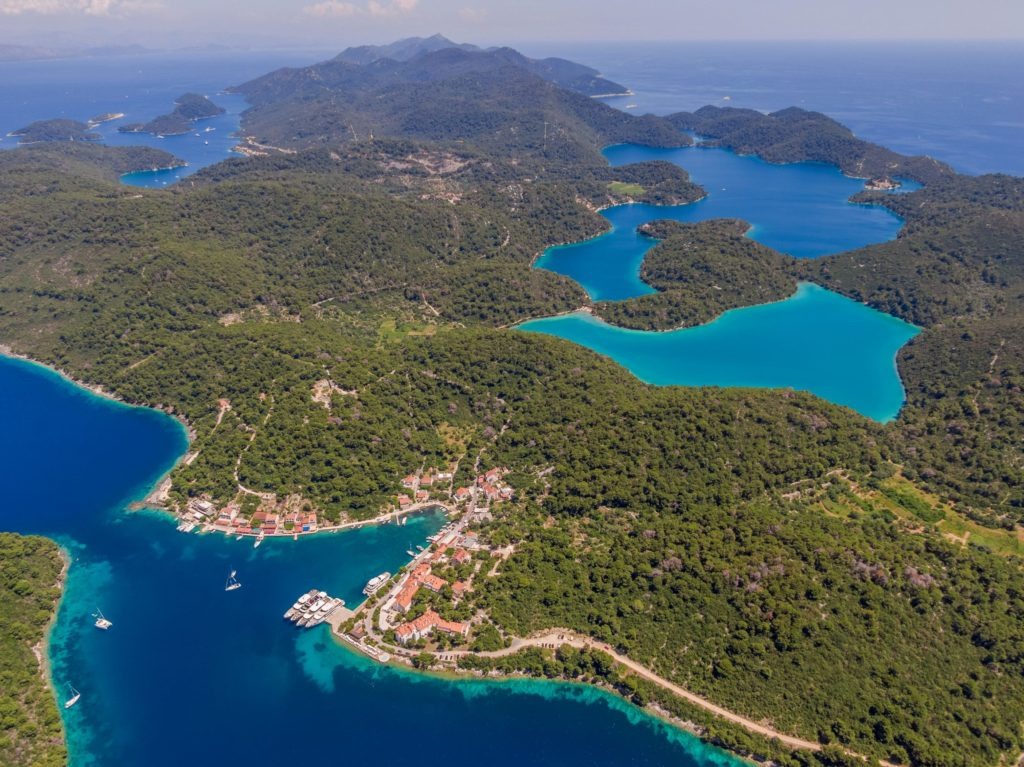
Mljet National Park occupies the western third of Mljet Island, featuring rare saltwater lakes surrounded by dense Mediterranean forest. The tranquil island offers escape from coastal crowds, with cycling, kayaking, swimming, and hiking in pristine nature.
Mljet Highlights:
Cycle or walk around the two connected saltwater lakes, Veliko Jezero (Big Lake) and Malo Jezero (Small Lake)
Take a boat to St. Mary’s Isle in the middle of Veliko Jezero, visiting the 12th-century Benedictine monastery
Swim in the warm lake waters
Explore sea caves and beaches along the coast
Rent kayaks to paddle across the lakes and explore hidden corners
9. Zadar – Sunset and Sea Organs
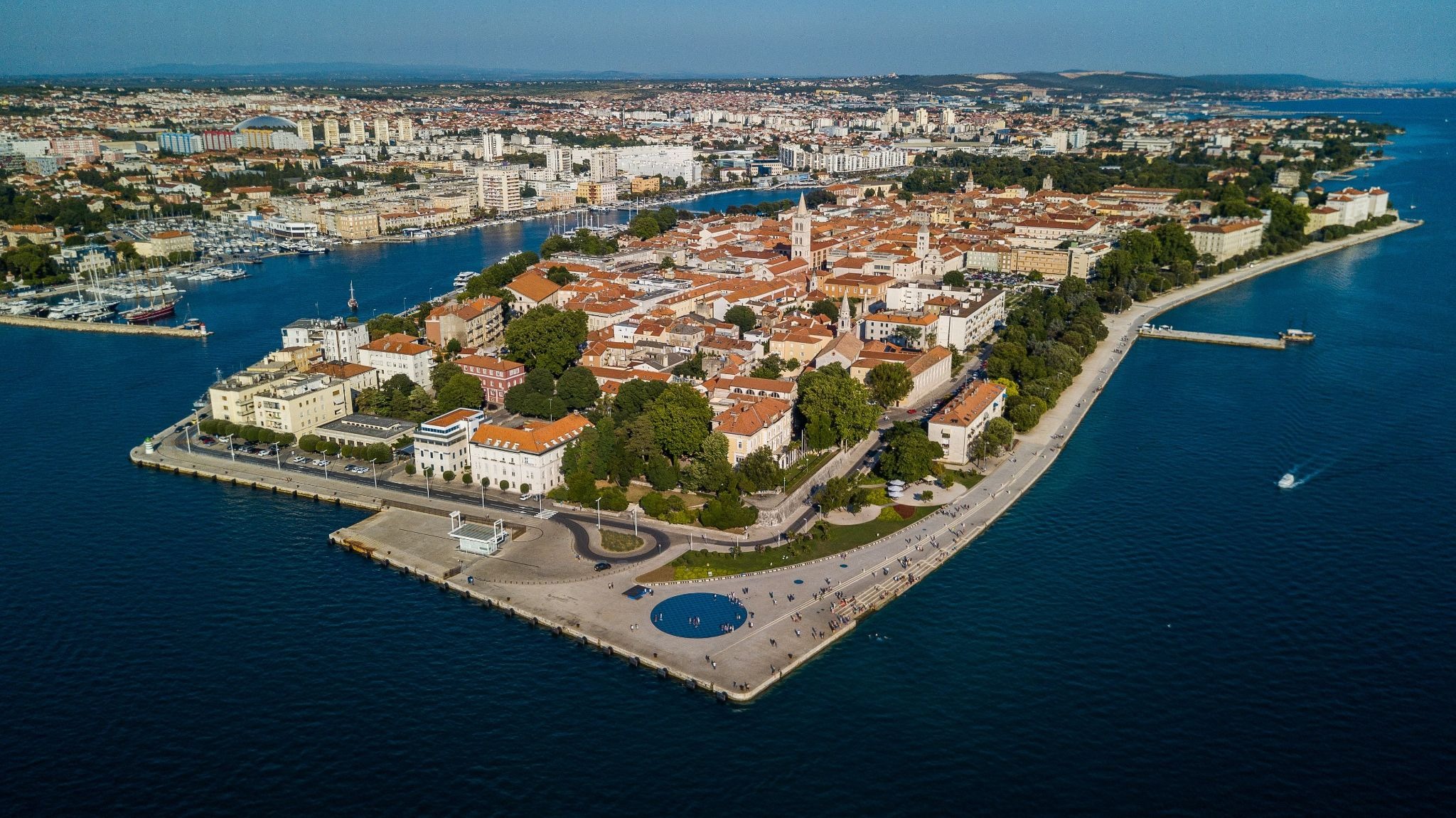
Zadar, an ancient Dalmatian city with Roman and Venetian heritage, gained modern fame for innovative waterfront installations that transform sunset into multisensory experiences. The compact old town on a peninsula combines 3,000 years of history with creative contemporary energy.
Zadar’s Unique Attractions:
Sea Organ: An architectural sound art installation where waves push air through pipes creating haunting musical tones, sit on marble steps listening to the sea’s composition
Greeting to the Sun: A 22-meter circle of glass plates collecting solar energy during the day, producing a spectacular light show after sunset
St. Donatus Church: Massive 9th-century circular Byzantine church, one of Croatia’s most recognizable medieval buildings
Roman Forum: Ancient Roman forum ruins in the city center, including original paving stones and columns
People’s Square: Main meeting point featuring the Venetian City Guard building and clock tower
10. Zagreb – The Vibrant Capital
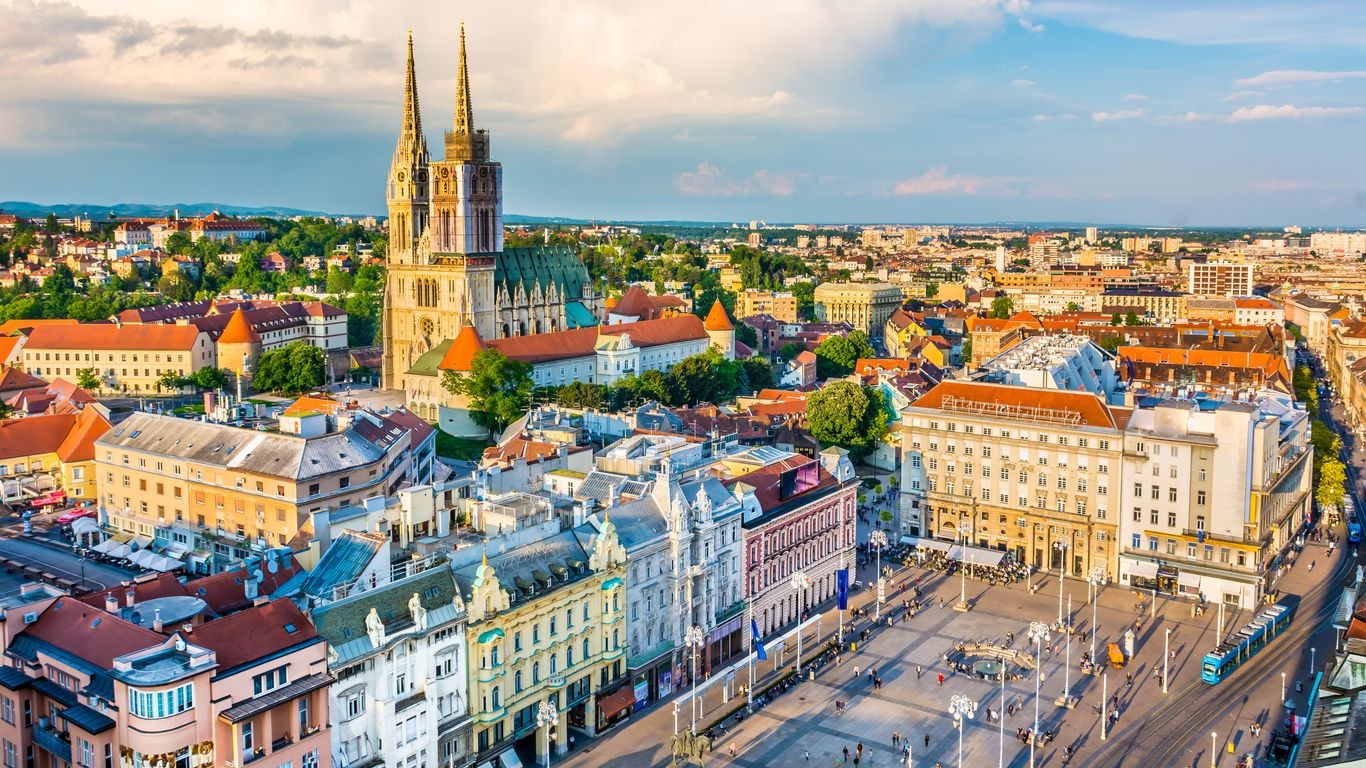
Zagreb, Croatia’s capital with nearly 800,000 residents, surprises visitors with its Austro-Hungarian elegance, vibrant café culture, excellent museums, and lively street life. The city divides into Upper Town (medieval core) and Lower Town (19th-century Austro-Hungarian expansion), connected by Europe’s shortest funicular.
Zagreb Highlights:
Explore Upper Town’s cobblestone streets, visiting St. Mark’s Church with its distinctive colorful tiled roof depicting Croatian and Zagreb coats of arms
Walk Tkalčićeva Street lined with bars, cafes, and restaurants in colorful buildings
Visit Museum of Broken Relationships, quirky museum displaying personal objects from failed relationships with explanatory stories
Stroll through Dolac Market, Zagreb’s colorful fresh produce market
Experience Zagreb’s café culture on sprawling terraces, locals spend hours over single coffees
Visit excellent museums including Croatian Museum of Naïve Art, Mimara Museum, and Archaeological Museum
Croatian Culture and Heritage
A Crossroads of Civilizations
Croatia’s unique position at the intersection of Mediterranean, Central European, and Balkan cultures has created a distinctive identity shaped by successive influences, Illyrian tribes, Roman Empire, Byzantine control, Croatian medieval kingdoms, Venetian Republic, Ottoman borders, Austro-Hungarian Empire, Yugoslav federation, and finally independence in 1991. Each layer left architectural, culinary, linguistic, and cultural marks visible throughout the country.
Venetian and Mediterranean Heritage
The Dalmatian coast and Istria show profound Venetian influence from centuries under Republic of Venice rule. This manifests in Romanesque-Gothic-Renaissance architecture, maritime traditions, street layouts, and Italian loanwords in local dialects. The Mediterranean lifestyle, unhurried pace, outdoor living, late dining, emphasis on fresh seafood and olive oil, defines coastal culture.
UNESCO World Heritage Sites
Croatia boasts 10 UNESCO World Heritage Sites, remarkable for a small country:
Dubrovnik Old City
Split’s Diocletian Palace and historic center
Plitvice Lakes National Park
Šibenik Cathedral
Trogir historic city
Stari Grad Plain on Hvar (ancient Greek agricultural landscape)
Episcopal complex of Euphrasian Basilica in Poreč
Stećci medieval tombstone graveyards
Venetian defense works
Ancient primeval beech forests
Croatian Wine Tradition
Croatia produces excellent wines relatively unknown internationally, offering discovery opportunities for wine enthusiasts:
Plavac Mali: Bold red grape producing full-bodied wines, parent grape to California’s Zinfandel, grown in southern Dalmatia
Malvazija Istarska: Istria’s signature white wine, aromatic and mineral
Pošip and Grk: White wines from Korčula Island
Continental varieties: Graševina (Welschriesling) and others from inland regions
Traditional Festivals and Events
Dubrovnik Summer Festival (July-August), classical music, theater, and dance performances
Split Summer Festival, cultural performances in historic venues
Sinjska Alka (August), traditional knight tournament in Sinj
Carnival celebrations, particularly in Rijeka (one of Europe’s largest)
Numerous wine, olive oil, truffle, and food festivals throughout the year
Croatian Cuisine: Mediterranean Flavors and Regional Diversity
Croatian cuisine varies dramatically by region, with the coast embracing Mediterranean traditions emphasizing seafood, olive oil, wine, and fresh vegetables, while continental Croatia features heartier Central European influences with meats, stews, and freshwater fish. This diversity makes Croatian food endlessly interesting for culinary explorers.
Coastal Dalmatian Cuisine
The Adriatic coast centers on extraordinarily fresh seafood, high-quality olive oil, locally grown vegetables, and simplicity that lets ingredients shine:
Grilled Fresh Fish: Simply prepared whole fish (sea bass, sea bream, John Dory) grilled with olive oil, garlic, and herbs, the quintessential Dalmatian meal, typically priced by kilogram
Black Risotto (Crni Rižot): Risotto cooked with cuttlefish or squid ink, creating dramatic black color and rich seafood flavor, garnished with squid pieces
Brudet (Brujet): Traditional fish stew with multiple fish varieties, tomatoes, wine, and herbs, served over polenta or with crusty bread for soaking up broth
Octopus Salad: Tender boiled octopus with olive oil, vinegar, garlic, and parsley, refreshing appetizer
Grilled Octopus: Slowly cooked until tender, then grilled, often served with chard and potatoes
Buzara: Shellfish (usually mussels or shrimp) cooked in white wine, garlic, olive oil, and breadcrumbs sauce
Dalmatinska Pašticada: Special occasion beef dish slowly braised in wine and prunes, traditionally served with njoki (gnocchi), labor-intensive preparation requires marinating and hours of cooking
Istrian Specialties
Istrian cuisine shows strong Italian influence while celebrating local ingredients like truffles, wild asparagus, and quality olive oils:
Istrian Truffles: Both white and black truffles found in Istrian forests, served over pasta, scrambled eggs, or in various dishes, season runs September to December
Fuži with Truffles: Istria’s signature hand-rolled pasta (similar to quills) topped with truffle shavings and sauce
Istrian Prosciutto: Air-dried ham with distinctive sweet flavor, served thinly sliced
Maneštra: Hearty bean-vegetable soup, Istrian comfort food
Istrian Olive Oil: World-class extra virgin olive oils, taste at local producers
Traditional Croatian Dishes
Found throughout Croatia with regional variations:
Peka: Meat (lamb, veal, or octopus) and vegetables slow-cooked under a bell-shaped dome covered with hot coals, requires ordering hours in advance but delivers incredible tender results
Čevapi: Small grilled minced meat sausages served in flatbread (lepinja) with onions and kajmak (cream cheese), popular throughout Balkans
Pljeskavica: Large grilled meat patty, Balkan-style burger
Sarma: Cabbage rolls stuffed with minced meat and rice, simmered in sauce, traditional holiday dish
Pasticada: Slow-cooked beef in rich wine sauce with prunes and figs, served with gnocchi, preparation takes two days
Strukli: Baked or boiled pastry rolls filled with cottage cheese, Zagreb specialty
Pašta Fažol: Hearty bean and pasta soup with smoked meat, warming winter dish
Croatian Cheeses and Charcuterie
Pag Cheese (Paški Sir): Croatia’s most famous cheese from Pag Island, hard sheep’s milk cheese with distinctive flavor from herbs sheep graze on
Istrian Prosciutto: Air-dried ham
Dalmatian Prosciutto: Coastal variation of cured ham
Variety of local cheeses from sheep, goat, and cow milk
Croatian Desserts
Rozata: Dalmatian crème caramel dessert flavored with rose liqueur, similar to crème brûlée
Fritule: Small fried dough balls dusted with powdered sugar, flavored with rum and citrus zest, Christmas specialty but available year-round
Kroštule: Crispy fried ribbon pastries, Carnival treat
Kremšnita: Custard cream cake with puff pastry, Samobor town claims the best version
Ston Cake: Almond-based cake from Ston peninsula
Croatian Beverages
Croatian Wines: Excellent quality throughout coastal and continental regions, Plavac Mali reds, Malvazija whites, Pošip, Grk, and continental varieties
Rakija: Traditional fruit brandy (grappa), made from grapes, plums, herbs, or other fruits, homemade versions common
Prošek: Sweet dessert wine from Dalmatia made from dried grapes
Croatian Beer: Ožujsko and Karlovačko are popular local brands; craft beer scene growing
Maraschino: Cherry liqueur from Zadar
Croatian Coffee: Strong espresso-style coffee, integral to daily social life
Dining Culture
Konobas are traditional family-run taverns offering authentic local cuisine, often best dining experiences
Fresh fish restaurants line harbors, choose your fish, pay by weight, enjoy simply grilled perfection
Lunch is the main meal; Croatians dine late (9:00 PM or later common)
Breakfast typically light, coffee and pastry
Tipping 10% standard for good service
Slow dining pace, meals are social experiences, not rushed affairs
Practical Travel Information
Best Time to Visit Croatia
Croatia’s Mediterranean climate creates distinct seasons with different advantages:
Table 1: Croatia seasonal travel considerations
Optimal Periods:
May and September-October: Ideal balance of weather, crowds, and value, highly recommended
June: Excellent but prices rising as peak season approaches
July-August: Best weather but very crowded and expensive, book far in advance
Considerations:
Coastal accommodations and attractions may close November-March
Cruise ships overwhelm Dubrovnik and Split mid-season
September offers warm swimming with thinning crowds, many consider it the best month
Plitvice Lakes beautiful year-round, frozen waterfalls in winter, fall colors spectacular
Getting to Croatia
International Airports:
Zagreb Airport (ZAG), capital city, year-round international flights
Split Airport (SPU), main coastal gateway, very busy in summer
Dubrovnik Airport (DBV), southern coast, summer seasonal routes
Pula Airport (PUY), Istria region
Zadar Airport (ZAD), northern Dalmatia
Rijeka Airport on Krk Island (RJK)
Airlines: Croatia Airlines (national carrier), plus extensive services from European carriers, Middle Eastern airlines, and seasonal charter operators.
Overland: Good bus and train connections from neighboring countries, Slovenia, Hungary, Bosnia and Herzegovina, Serbia, Montenegro. Coastal ferries from Italy (Ancona, Bari) to Split, Zadar, Dubrovnik.
Transportation Within Croatia
Ferries and Catamarans:
Essential for island travel, Jadrolinija operates car ferries, while faster catamarans (Kapetan Luka, TP Line) serve passenger-only routes. Book car ferries in advance for summer travel. Ferry schedules reduced dramatically in the off-season.
Buses:
Extensive intercity bus network connecting all major destinations. Tickets bookable online through GetByBus. Comfortable and affordable. Coastal roads offer spectacular sea views but winding routes cause motion sickness for some.
Rental Cars:
Ideal for exploring Croatia independently, particularly Istria and less accessible areas. International licenses accepted. Drive on the right side. Parking challenges in old towns. One-way rentals between cities often incur high drop fees.
Highways: Modern toll highways (autocesta) connect major cities, Zagreb to Split, Zagreb to Dubrovnik via Bosnia corridor. Coastal road (Adriatic Highway/Jadranska Magistrala) is scenic but slow with heavy summer traffic.
Accommodation Options
Hotels: Range from budget to luxury five-star resorts
Apartments: Extremely common, private apartments often best value, particularly for longer stays
Guesthouses and B&Bs: Family-run options offering local hospitality
Hostels: Budget option in major cities and tourist towns
Glamping and Campsites: Numerous campgrounds along coast, increasing glamping options
Lighthouse Accommodation: Unique option, rent converted lighthouse keeper quarters on remote locations
Book well in advance for July-August. Apartments often require minimum stays (3-7 nights) in peak season.
Currency and Money
Currency: Euro (EUR) since January 1, 2023, replaced Croatian Kuna, making travel more convenient.
Costs: Croatia offers excellent value compared to Western Europe while being pricier than Balkans:
Budget: €40-70 per day (hostels/budget apartments, local restaurants, public transport)
Mid-range: €80-150 per day (comfortable apartments/hotels, mix of dining, some activities)
Comfortable: €180+ per day (upscale hotels, nice restaurants, tours, car rental)
Money Tips:
ATMs widely available in cities and tourist areas
Credit cards accepted at most hotels, restaurants, and shops (less so in small villages)
Cash needed for small purchases, markets, parking, some family-run restaurants
Tipping 10% standard for good service
Entrance fees for national parks, museums, attractions typically €5-25
Language and Communication
Language: Croatian (South Slavic language using Latin alphabet). Italian is spoken in Istria, German in some areas.
English: Widely spoken in tourist areas, hotels, restaurants. Less common in rural areas and among older generations. Younger Croatians generally speak good English.
Essential Phrases: Hvala (thank you), Molim (please/you’re welcome), Dobar dan (good day), Živjeli (cheers), Račun molim (bill please)
Internet: WiFi available at most accommodations, cafes, restaurants. Mobile data widely available, consider local SIM card or European roaming.
Safety and Health
Croatia is very safe for travelers:
Very low violent crime rates
Petty theft possible in crowded tourist areas, use normal precautions
Sea conditions safe for swimming but watch for sea urchins on rocky bottoms (water shoes helpful)
Strong summer sun requires sunscreen, hat, hydration
Tap water safe to drink throughout Croatia
Excellent healthcare system, private clinics in tourist areas, public hospitals in cities
Travel insurance recommended covering medical treatment
No required vaccinations; routine immunizations should be current
Landmines from 1990s war cleared from tourist areas but avoid venturing off marked paths in former conflict zones (mainly eastern Slavonia)
Cultural Etiquette
Croatians are generally friendly, helpful, and welcoming to tourists
Modest dress required for church visits
Remove shoes when entering homes
Greetings include handshake; friends exchange cheek kisses (two or three)
Dining pace is leisurely, meals are social experiences
Public behavior generally conservative, avoid loud or rowdy conduct
Respect war history, 1990s conflict remains sensitive topic
What to Pack
Light, breathable summer clothing (shorts, sundresses, swimwear)
Light layers for evening breezes and air-conditioned spaces
Comfortable walking shoes for cobblestones and hiking
Water shoes for rocky beaches
Sun protection: sunscreen (high SPF), sunglasses, hat
Modest clothing for church visits
Light rain jacket (spring and fall)
Power adapter (Type C and F European plugs, 230V)
Reusable water bottle
Day backpack for island hopping and hiking
Activities and Experiences
Water Activities
Swimming and snorkeling in crystal-clear Adriatic waters
Kayaking around Dubrovnik walls, along coastlines, to secluded coves
Island hopping by ferry, catamaran, or private boat tours
Sailing, Croatia is one of Europe’s premier sailing destinations with ideal conditions
Diving, numerous dive sites including ancient shipwrecks
Stand-up paddleboarding at calm beaches and bays
Blue Cave tours from Split or Hvar visiting Biševo’s magical illuminated cave
Outdoor Adventures
Hiking in Plitvice Lakes, Krka, Paklenica, and Biokovo national parks
Cycling through Istrian hilltops, along Parenzana trail, on island networks
Rock climbing in Paklenica National Park
Zip-lining near Omiš
Rafting on Cetina River
Walking Dubrovnik city walls (2 km circuit)
Climbing bell towers for panoramic views in numerous towns
Cultural Experiences
Game of Thrones tours in Dubrovnik and Split visiting filming locations
Attend summer festivals, Dubrovnik Summer Festival, Split Summer, Ultra Europe music festival
Watch traditional Moreška sword dance in Korčula
Visit family wineries in Pelješac Peninsula, Istria, Hvar for tastings
Tour truffle forests in Istria with trained dogs
Explore hilltop medieval villages throughout Istria
Attend local festivals celebrating olives, wine, fish, or regional products
Visit local markets for fresh produce, cheese, prosciutto
Sample Itineraries
7-Day Croatia Highlights
Days 1-2: Dubrovnik (Old Town, city walls, cable car, Lokrum Island)
Day 3: Ferry to Hvar Island (lavender fields, beaches, fortress views)
Days 4-5: Split (Diocletian’s Palace, Marjan Hill, day trip to Krka National Park or Blue Cave)
Days 6-7: Plitvice Lakes National Park (waterfalls, hiking trails), return to Zagreb for departure
10-Day Dalmatian Coast and Islands
Days 1-3: Dubrovnik (comprehensive exploration including day trip to Montenegro or Bosnia)
Day 4: Ferry to Korčula (medieval town, Marco Polo sites)
Days 5-6: Hvar Island (Hvar Town, Stari Grad, Pakleni Islands, lavender)
Days 7-8: Split (palace, museums, Marjan Hill, Trogir day trip)
Days 9-10: Krka or Plitvice National Park, return to Split for departure
14-Day Complete Croatia
Days 1-2: Zagreb (capital culture, museums, café life)
Days 3-4: Plitvice Lakes National Park (extensive hiking)
Days 5-6: Zadar (Sea Organ, old town, day trip to Kornati Islands)
Days 7-8: Split (Diocletian’s Palace, island excursions)
Days 9-10: Hvar Island (beaches, culture, nightlife)
Days 11-13: Dubrovnik (comprehensive exploration, relaxation)
Day 14: Return journey
7-Day Istrian Peninsula
Days 1-2: Rovinj (old town, beaches, art galleries)
Day 3: Pula (Roman amphitheater, cape Kamenjak)
Days 4-5: Hilltop towns (Motovun, Grožnjan, Hum), truffle experiences, wine tastings
Days 6-7: Poreč (Euphrasian Basilica, beaches), return to departure point
Croatia delivers travel experiences that exceed expectations and linger in memory long after departure, the magical moment of sunset illuminating Dubrovnik’s ancient walls, swimming in Plitvice’s impossibly turquoise lakes (even if just gazing since swimming prohibited), watching waves create natural music through Zadar’s Sea Organ, island hopping through the Adriatic on a perfect summer day, savoring the simplicity of perfectly grilled fish with Croatian white wine while waves lap at the harbor.
Beyond the visual splendor and natural wonders, Croatia captivates through its successful balance, preserving extraordinary historical and natural heritage while embracing modern tourism infrastructure, maintaining authentic character while welcoming international visitors, offering world-class experiences at Mediterranean prices more affordable than Italy or France, and providing both lively destinations for socializing and tranquil islands for escaping.
The country’s compact size belies its diversity. Within hours, travelers transition from Roman ruins to medieval fortresses to pristine national parks to sophisticated island nightlife. The coast’s dramatic beauty, limestone cliffs plunging into crystalline waters, terracotta-roofed towns climbing hillsides, pine forests meeting pebble beaches, creates backdrop worthy of the Game of Thrones fantasy realms filmed here. The islands number over 1,000, ensuring discoveries ranging from upscale Hvar to traditional fishing villages where daily rhythms unchanged for generations.
Croatia rewards various travel styles: luxury seekers find five-star hotels and upscale beach clubs, budget travelers discover excellent value apartments and affordable dining, culture enthusiasts explore layers of history from ancient to medieval to modern, nature lovers hike pristine parks and kayak secluded coves, food and wine enthusiasts taste regional specialties and excellent wines, sailors navigate ideal conditions through island chains, and beach lovers soak up Adriatic sun on countless shores.
Practical advantages make Croatia increasingly popular, EU membership simplifies entry, euro currency eliminates exchange hassles, improved infrastructure eases independent travel, excellent English comprehension in tourist areas reduces language barriers, and strong safety records reassure families and solo travelers. Yet Croatia maintains distinctly Croatian character, not yet homogenized by international tourism chains, still offering authentic experiences in family-run konobas, preserving traditions alongside modernity.
As Croatian poet and explorer from Dubrovnik, Marin Držić, celebrated his homeland’s beauty centuries ago, today’s visitors continue discovering why this small nation captures hearts. Whether walking Dubrovnik’s marble streets, sailing through island-studded seas, hiking boardwalks beside cascading waterfalls, or simply savoring local wine while Mediterranean sun sets over the Adriatic, Croatia provides the ingredients for transformative travel, beauty that inspires, history that fascinates, nature that refreshes, cuisine that delights, and welcome that warms.
Croatia in 2026 offers the rare combination of discovery and accessibility, adventure and relaxation, affordability and quality that defines outstanding travel destinations. Pack your swimsuit and walking shoes, book your ferry tickets, prepare for extraordinary beauty, and discover why Croatia has become one of Europe’s most beloved destinations, the Pearl of the Adriatic awaits with 1,000 islands, countless experiences, and memories that will endure a lifetime.