The Ancient Soul of the Balkans, Roses, and Living Folklore
Introduction to Bulgaria
Bulgaria is a captivating Balkan nation celebrated for its rich history spanning millennia, dramatic mountain landscapes, pristine Black Sea coastline, and exceptional cultural heritage. In 2026, Bulgaria unveiled a bold new tourism strategy positioning the country as a year-round destination emphasizing cultural tourism, wellness experiences, mountain adventures, and authentic traditions beyond the traditional summer beach season.
With 10 UNESCO World Heritage Sites, ancient Thracian treasures, medieval monasteries, vibrant cities, and diverse natural landscapes from Black Sea beaches to snow-capped peaks, Bulgaria offers travelers an extraordinary combination of affordability and authenticity increasingly rare in modern Europe. The country’s strategic position at the crossroads of Europe and Asia has created fascinating cultural layers while maintaining distinct Bulgarian identity expressed through Cyrillic script, Orthodox traditions, and legendary rose oil production.
Tourism Highlights
-
Sofia: Bulgaria’s dynamic capital blending Roman ruins, Byzantine churches, Ottoman mosques, Soviet architecture, and contemporary culture beneath the majestic Vitosha Mountain backdrop
-
UNESCO World Heritage Sites: Ten designated sites including Rila Monastery, Ancient City of Nessebar, Boyana Church, Thracian tombs, and rock-hewn churches representing Bulgaria’s extraordinary historical depth
-
Black Sea Coast: 378 kilometers of coastline featuring golden beaches, ancient ports like Nessebar, vibrant resort towns including Varna and Sunny Beach, and natural reserves
-
Mountain Tourism: World-class skiing at Bansko, Borovets, and Pamporovo; summer hiking in Rila, Pirin, and Rhodope Mountains; expanding four-season outdoor activities
-
Cultural Heritage: Ancient Thracian civilization, medieval fortresses, National Revival architecture, Orthodox monasteries, traditional crafts, and folk music traditions
-
Wellness Tourism: Over 600 mineral springs feeding thermal spas throughout the country; traditional balneotherapy centers attracting health-focused travelers
Culture and Traditions
Bulgarian culture represents one of Europe’s oldest continuous civilizations, with Thracian foundations overlaid by Roman, Byzantine, Slavic, and Ottoman influences creating unique cultural synthesis. The Bulgarian identity is expressed through Orthodox Christianity, Cyrillic alphabet (originating in Bulgaria), rich folklore traditions, and remarkable resilience through centuries of foreign rule.
-
Rose Valley Tradition: Bulgaria produces 70% of the world’s rose oil, primarily in the Valley of Roses near Kazanlak. The annual Rose Festival (May-June) celebrates this fragrant heritage with traditional harvesting, distillation demonstrations, and cultural performances. Bulgarian rose oil remains essential ingredient in perfumery worldwide
-
Bulgarian Cuisine: Bulgarian gastronomy features fresh vegetables, dairy products (especially sirene white cheese and thick yogurt), grilled meats, and distinctive dishes combining Balkan, Turkish, and Mediterranean influences. Signature foods include shopska salad, banitsa (cheese-filled pastry), kavarma (slow-cooked meat stew), tarator (cold yogurt soup), and moussaka (Bulgarian style with potatoes). Bulgarian yogurt, made with specific Lactobacillus bulgaricus bacteria, is renowned for exceptional taste and health benefits
-
Martenitsa Tradition: On March 1st, Bulgarians exchange martenitsi—red and white twisted cords worn until seeing the first stork, swallow, or blooming tree, then tied to branches for good luck. This ancient spring celebration reflects Bulgarian connection to seasonal cycles and nature
-
Orthodox Heritage: Bulgarian Orthodox Church shaped national identity during Ottoman rule (1396-1878), preserving language, culture, and traditions. Stunning monasteries like Rila, Bachkovo, and Troyan served as cultural and spiritual centers. Icon painting, church architecture, and religious music represent important artistic traditions
-
Folk Music and Dance: Distinctive Bulgarian folk music features complex asymmetric rhythms and powerful vocal harmonies. Traditional instruments include gaida (bagpipe), kaval (flute), and gadulka (bowed string). Folk dances like horo (circle dance) remain popular at celebrations and festivals
-
Wine Heritage: Bulgarian winemaking dates to ancient Thracian times. The country produces excellent wines from both international and indigenous varieties including Mavrud and Melnik. Wine regions include Thracian Valley, Danube Plain, and Struma Valley, with rapidly improving quality attracting international recognition
City One: Sofia – Capital Beneath the Mountain
City Introduction:
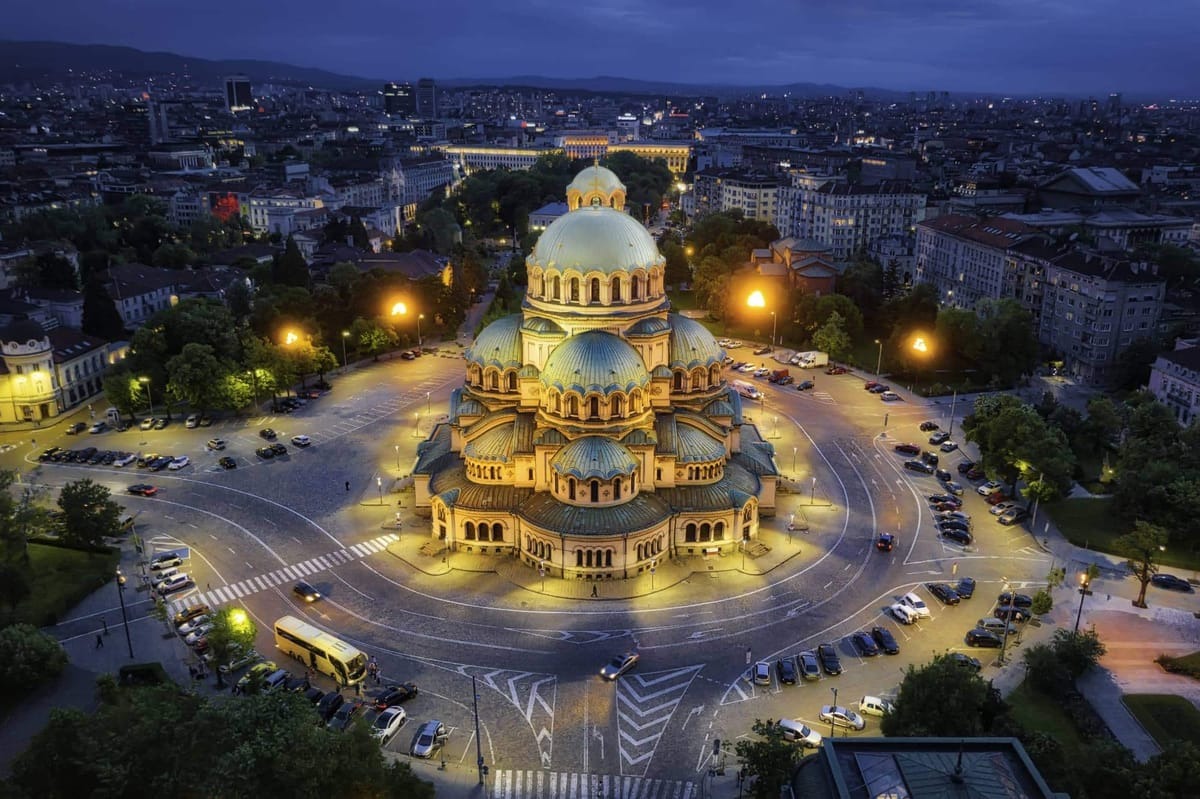
Sofia, Bulgaria’s capital and largest city with a population of 1.3 million, ranks among Europe’s oldest continuously inhabited cities with over 7,000 years of settlement history. Uniquely situated at the foot of Vitosha Mountain (2,290 meters), Sofia combines layers of Thracian, Roman, Byzantine, Ottoman, and Soviet heritage with vibrant contemporary culture and outdoor recreation within city limits.
The city’s compact center features Roman ruins exposed among modern buildings, golden-domed Orthodox churches beside Ottoman mosques, elegant 19th-century European architecture, imposing Soviet structures, and emerging creative districts. Sofia’s combination of affordability, historical depth, mountain backdrop, and evolving cultural scene makes it one of Europe’s most underrated capitals offering authentic experiences without mass tourism pressures.
Main Tourist Attractions
-
Alexander Nevsky Cathedral:
Sofia’s most iconic landmark and one of the world’s largest Eastern Orthodox cathedrals, accommodating 5,000 worshippers. Completed in 1912 to honor Russian soldiers who died liberating Bulgaria from Ottoman rule, this Neo-Byzantine masterpiece features gold-plated domes, Italian marble, alabaster, and stunning interior with icons, frescoes, and mosaics. The cathedral’s crypt houses Bulgaria’s finest icon collection spanning 9th-19th centuries -
Vitosha Boulevard:
Sofia’s main pedestrian street and social heart, stretching from the Palace of Justice to the Southern Park. This elegant tree-lined boulevard features shops, international brands, cafés, restaurants, and street performers creating a vibrant atmosphere. Vitosha Boulevard serves as meeting point for locals and tourists, especially lively on evenings and weekends -
Vitosha Mountain:
Majestic mountain rising directly above Sofia, offering year-round outdoor activities within 30 minutes of the city center. Vitosha provides hiking trails, ski slopes, mountain biking, and panoramic viewpoints overlooking Sofia and surrounding plains. The Boyana neighborhood at the mountain base and Dragalevtsi offer cable car access to the Aleko ski area. Vitosha’s accessibility makes it unique European capital feature -
Boyana Church:
UNESCO World Heritage Site located in Boyana neighborhood at Vitosha Mountain’s foot. This medieval Bulgarian Orthodox church houses remarkable 13th-century frescoes considered masterpieces of medieval European art and precursors to the Renaissance. The vivid, realistic portraits and expressive faces created in 1259 predated Italian Renaissance techniques by centuries. Visits are brief (15 minutes) and controlled to preserve frescoes -
National Palace of Culture (NDK):
Massive modernist complex built in 1981 as Bulgaria’s largest multifunctional conference and exhibition center. The imposing building hosts concerts, exhibitions, conferences, and cultural events. The surrounding park with fountains, sculptures, and green spaces provides a popular gathering area. NDK represents Sofia’s contemporary cultural infrastructure -
Serdika Archaeological Complex:
Remarkable open-air archaeological site in Sofia’s city center (outside Metro Serdika station) displaying Roman ruins from ancient Serdica. The glass-covered excavations reveal 4th-7th century streets, buildings, early Christian basilica, and city gates. This unique site demonstrates Sofia’s Roman heritage literally beneath modern streets -
St. George Rotunda:
Sofia’s oldest building, a circular 4th-century Roman church nestled among modern buildings behind the Sheraton Hotel. This remarkably preserved Early Christian structure features three layers of frescoes from different periods (10th, 12th, and 14th centuries). The rotunda exemplifies Sofia’s layered history with Roman, Byzantine, and Ottoman elements -
Sofia History Museum (Former Communist Party House):
Grand building housing museum of Sofia’s history. The building’s imposing architecture and central location on Banski Square make it a significant landmark. Exhibitions cover Sofia’s development from Thracian settlement to modern capital -
Central Market Hall (Centralna Hali):
Beautiful 1911 market building with distinctive Neo-Renaissance and Neo-Baroque architecture. Two floors offer fresh produce, meats, cheese, traditional Bulgarian foods, and food stalls serving local specialties. The market provides authentic glimpse of daily Sofia life and opportunity to sample Bulgarian products -
Banya Bashi Mosque:
Sofia’s only functioning mosque, built in 1566 during Ottoman rule. This beautiful mosque with a single dome and slender minaret continues serving Sofia’s Muslim community. Located near Central Market Hall and mineral springs, the mosque represents Sofia’s religious diversity and Ottoman heritage -
National Museum of History:
Bulgaria’s largest museum is located in the former Boyana residence outside the city center. Comprehensive collections span Thracian gold treasures, Roman artifacts, medieval Bulgarian kingdoms, Ottoman period, and National Revival. The Thracian gold collection, including the Panagyurishte treasure, ranks among Europe’s finest ancient gold artifacts -
Borisova Gradina Park:
Sofia’s oldest and most beloved park, established 1884. This expansive green space features tree-lined paths, lake, monuments, sports facilities, and Vasil Levski Stadium. The park provides peaceful escape from urban bustle and popular spot for walking, jogging, and relaxing
Recommended Activities
-
Free Walking Tours: Join excellent free walking tours covering Sofia’s history, Communist heritage, or street art scene
-
Vitosha Mountain Hiking: Take bus or taxi to Boyana, ride cable car up mountain, and hike to Cherni Vrah peak (2,290m) or enjoy easier forest trails
-
Bulgarian Cuisine Tasting: Sample traditional dishes at Central Market Hall or authentic mehana restaurants; try shopska salad, banitsa, kavarma, and Bulgarian yogurt
-
Thermal Mineral Springs: Visit public mineral water fountains throughout the city where locals fill bottles with natural warm mineral water
-
National Museum of History Day Trip: Dedicate half-day to exploring Bulgaria’s comprehensive historical collections including Thracian treasures
-
Communist Architecture Tour: Explore Sofia’s Soviet-era monuments and buildings including Largo complex, Monument to the Soviet Army, and socialist apartment blocks
-
Café Culture: Experience Sofia’s vibrant café scene in Oborishte neighborhood or along Vitosha Boulevard
-
Rila Monastery Day Trip: Most popular day trip from Sofia (2 hours drive) to Bulgaria’s most famous monastery (detailed in additional section)
-
Market Shopping: Browse Central Market Hall and Ladies’ Market for fresh produce, cheese, traditional crafts, and Bulgarian specialties
-
Mount Vitosha Skiing: During winter season (December-March), enjoy skiing at Aleko resort with city views
-
Evening Stroll: Walk from Alexander Nevsky Cathedral along Tsar Osvoboditel Boulevard to National Assembly during golden hour
-
Traditional Bulgarian Dinner: Dine at traditional mehana with live folk music and authentic regional dishes
Practical Information
Access:
-
Sofia Airport (Sofia Borislav Sarafov Airport) – IATA Code: SOF (10 km east of city center)
-
Efficient metro system with 4 lines connecting major areas including airport
-
Buses, trams, and trolleybuses provide extensive public transport
-
Taxi and ride-sharing services readily available and very affordable
Best Time to Visit:
-
Spring (April-June) and Autumn (September-October) offer ideal weather and festivals
-
Summer (July-August) warm but can be hot; many locals leave city for coast or mountains
-
December atmospheric for Christmas markets and winter activities on Vitosha
-
Winter (January-March) cold but excellent for combining city sightseeing with mountain skiing
Accommodation:
-
Wide range from budget hostels to luxury hotels in city center
-
Best areas: Central Sofia (near Alexander Nevsky), Oborishte (trendy neighborhood), Vitosha Boulevard
-
Sofia offers exceptional value compared to Western European capitals
-
Advance booking recommended for major holidays and festivals
Local Tips:
-
Bulgarian Lev (BGN) official currency; approximately 1 EUR = 1.96 BGN (fixed exchange rate)
-
Many places accept euros but rate may be unfavorable; using leva recommended
-
Sofia Card available offering unlimited public transport and museum discounts
-
Learn basic Cyrillic alphabet for reading signs; younger generation speaks English increasingly
-
Nodding head means “no”; shaking head means “yes” in Bulgaria (opposite of most countries)
-
Public transport very efficient and cheap; single ticket approximately 1.60 BGN
-
Restaurants typically add 10% service charge; additional tipping appreciated
-
Sofia extremely safe; normal urban precautions sufficient
-
Mineral water fountains throughout city provide free natural thermal water safe to drink
City Two: Plovdiv – Ancient and Eternal
City Introduction:
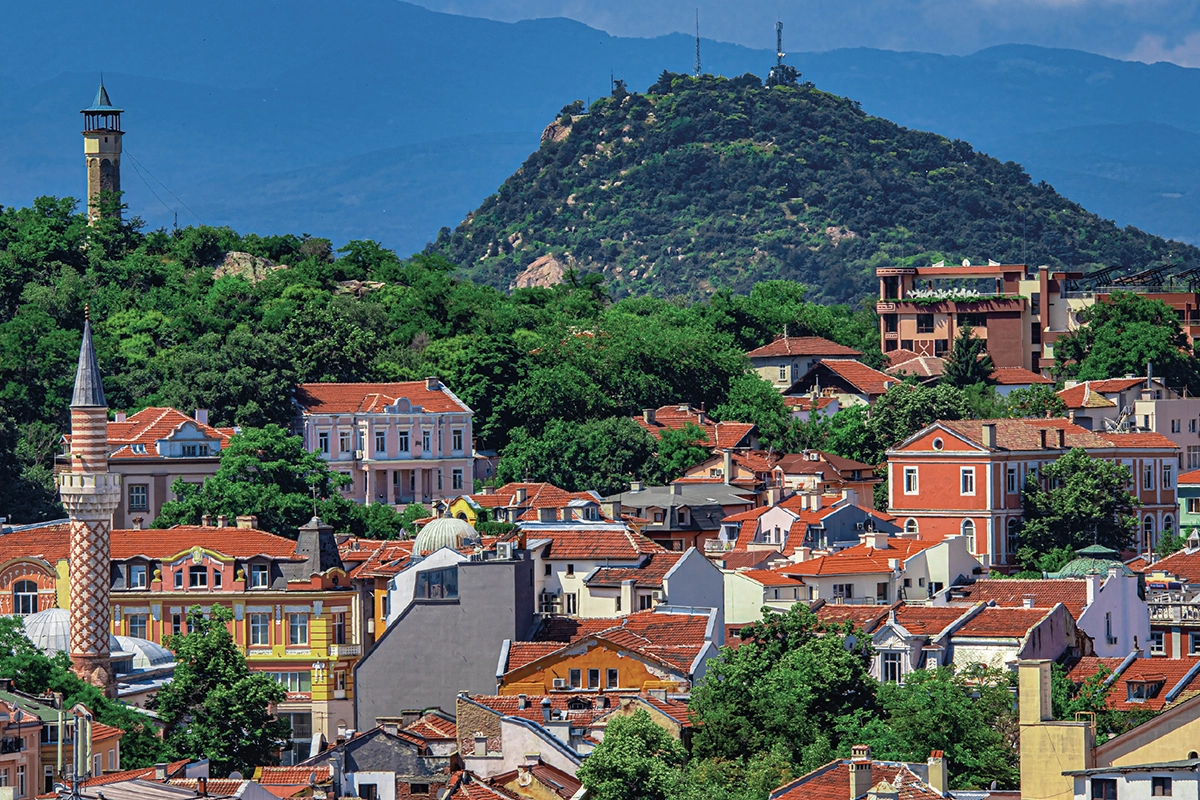
Plovdiv, Bulgaria’s second-largest city with a population of 350,000, claims status as one of the world’s oldest continuously inhabited cities with over 8,000 years of settlement. Located 150 kilometers southeast of Sofia in the Thracian Plain, Plovdiv served as a major city under Thracian, Greek, Roman, Byzantine, and Ottoman rule, creating extraordinary archaeological and architectural layers.
Named European Capital of Culture 2019, Plovdiv combines remarkably preserved ancient Roman theater, stadium, and forum with stunning 19th-century National Revival houses adorning cobblestone Old Town streets, creative Kapana arts district, and thriving contemporary culture. The city’s seven hills (originally seven, now six remaining), charming ambiance, artistic energy, and exceptional value make Plovdiv one of Europe’s most rewarding yet undervisited destinations.
Main Tourist Attractions
-
Ancient Theatre of Philippopolis:
Plovdiv’s crown jewel and one of the best-preserved ancient Roman theaters in the world. Built in the 1st-2nd century AD to accommodate 6,000 spectators, this spectacular marble amphitheater remained hidden until a 1972 landslide revealed it beneath Trimontium hill. Today the theater hosts opera, concerts, and festivals with the city panorama as a stunning backdrop. The perfectly preserved seating tiers, stage, and orchestra create magical venue combining ancient grandeur with modern performances -
Plovdiv Old Town (Architectural Reserve):
Enchanting historic district covering three hills with cobblestone streets, colorful National Revival period houses (18th-19th centuries), Roman fortifications, and Byzantine walls. The distinctive houses feature overhanging upper floors, ornate facades, and interior courtyards. Numerous house-museums showcase period furnishings, traditional crafts, and lifestyles of wealthy merchant families. Wandering the atmospheric lanes reveals hidden courtyards, art galleries, craft shops, and cafés -
Kapana Creative District:
Former crafts quarter transformed into a vibrant arts neighborhood filled with galleries, street art, independent shops, cafés, bars, and cultural venues. “Kapana” (meaning “the trap”) refers to the maze-like narrow streets. This bohemian district represents Plovdiv’s contemporary creative energy with colorful murals, artist studios, and alternative culture. Particularly lively during evenings and weekends -
Ancient Stadium of Philipopolis:
Massive 2nd-century Roman stadium modeled after Delphi stadium, originally accommodating 30,000 spectators. Most of the 240-meter structure remains buried beneath modern Plovdiv, but excavated northern section on Dzhumaya Square reveals impressive scale and architecture. The stadium hosted athletic games, gladiatorial contests, and public events during Roman rule -
Roman Forum and Odeon:
Archaeological complex in Plovdiv center revealing the ancient city’s administrative and commercial heart. Excavations display forum plaza, odeon (small theater for music and poetry), and various Roman structures. The site demonstrates Philippopolis’s importance as major Roman city in Thrace province -
Nebet Tepe:
One of Plovdiv’s ancient hills featuring Thracian fortifications, Roman additions, and Byzantine walls. The hilltop offers panoramic city views and contains ongoing archaeological excavations revealing layers of settlement from 5000 BC. The sunset views from Nebet Tepe rank among Plovdiv’s finest -
Regional Ethnographic Museum:
Housed in the magnificent 1847 Kuyumdzhioglu House, this museum displays traditional Bulgarian folk culture including costumes, textiles, crafts, and ethnographic collections. The building itself exemplifies National Revival architecture with richly decorated rooms, carved ceilings, and period furnishings -
Dzhumaya Mosque:
Elegant 14th-century Ottoman mosque with 9 domes and slender minaret. One of the oldest mosques in the Balkans, Dzhumaya continues functioning as a place of worship while remaining open to respectful visitors. The interior features beautiful decorations and spacious prayer hall -
Singing Fountains:
Modern attraction on Tsar Simeon Garden featuring choreographed water, light, and music shows on summer evenings. The spectacular fountain displays draw crowds of locals and tourists for free entertainment in park setting -
Main Shopping Street (Knyaz Alexander I Street):
Plovdiv’s pedestrian main street is lined with shops, cafés, restaurants, and historic buildings. Parallel to the Ancient Stadium, this lively boulevard serves as social center and shopping district connecting various city landmarks
Recommended Activities
-
Old Town Walking Tour: Spend morning exploring cobblestone streets, house-museums, and panoramic viewpoints in Architectural Reserve
-
Roman Theater Performance: If visiting May-September, attend opera, concert, or theatrical performance in Ancient Theatre’s magical setting
-
Kapana Art District Exploration: Wander creative quarter discovering street art, galleries, independent shops, and bohemian cafés
-
Sunset at Nebet Tepe: Climb to ancient fortifications at golden hour for spectacular city panoramas
-
Regional Cuisine Tasting: Sample Thracian Valley specialties at traditional restaurants; try Plovdiv’s famous stuffed peppers and local wines
-
Wine Tour to Thracian Valley: Day trip to surrounding wine region visiting wineries producing excellent Bulgarian wines from indigenous varieties
-
Day Trip to Bachkovo Monastery: Visit Bulgaria’s second-largest monastery (30 km south) featuring 11th-century architecture and stunning mountain setting
-
Singing Fountains Evening Show: Watch free choreographed fountain display in Tsar Simeon Garden (summer evenings)
-
Photography Tour: Capture colorful National Revival houses, Roman ruins, and creative Kapana street art
-
Traditional Mehana Dinner: Dine at atmospheric traditional restaurant with regional dishes and occasional live folk music
-
Alyosha Monument Visit: Climb to Soviet-era monument on Bunardzhik Hill for commanding city views and reflection on complex history
-
Craft Shopping: Browse Old Town galleries and shops for traditional crafts, textiles, pottery, and local artwork
Practical Information
Access:
-
Plovdiv Airport (Plovdiv Krumovo Airport) – IATA Code: PDV (12 km southeast; limited flights)
-
Most visitors arrive via Sofia Airport then 1.5-2 hour drive/train/bus
-
Excellent train connections from Sofia (approximately 2.5 hours, frequent departures)
-
Bus services from Sofia and other Bulgarian cities
-
Compact city center easily walkable
Best Time to Visit:
-
Spring (April-June) for pleasant weather and blooming city gardens
-
September-October for cultural events, wine harvest, and ideal temperatures
-
Summer (July-August) warm and lively; Ancient Theatre hosts performances
-
December atmospheric with Christmas markets and festive decorations
-
Plovdiv works year-round; no extreme weather concerns
Visit Duration:
-
Minimum full day to see main attractions
-
Two days ideal for relaxed exploration including Old Town, Roman sites, and Kapana
-
Three days allows day trips to Bachkovo Monastery, Asen’s Fortress, or wine region
Accommodation:
-
Charming boutique hotels and guesthouses in Old Town (recommended for atmosphere)
-
Modern hotels near main shopping street and center
-
Budget-friendly hostels in Kapana district
-
Plovdiv offers excellent value; generally cheaper than Sofia
Local Tips:
-
Old Town hills involve steep cobblestone streets; wear comfortable walking shoes
-
Many house-museums close Mondays; verify opening hours
-
Ancient Theatre tickets purchased separately for performances
-
Kapana most vibrant Thursday-Saturday evenings
-
Restaurant meals remarkably affordable (10-15 BGN for main course)
-
English spoken in tourist areas; less common in local establishments
-
Free walking tours available starting from Roman Stadium area
-
Plovdiv less touristy than Sofia despite extraordinary attractions; authentic atmosphere
City Three: Varna – Pearl of the Black Sea
City Introduction:
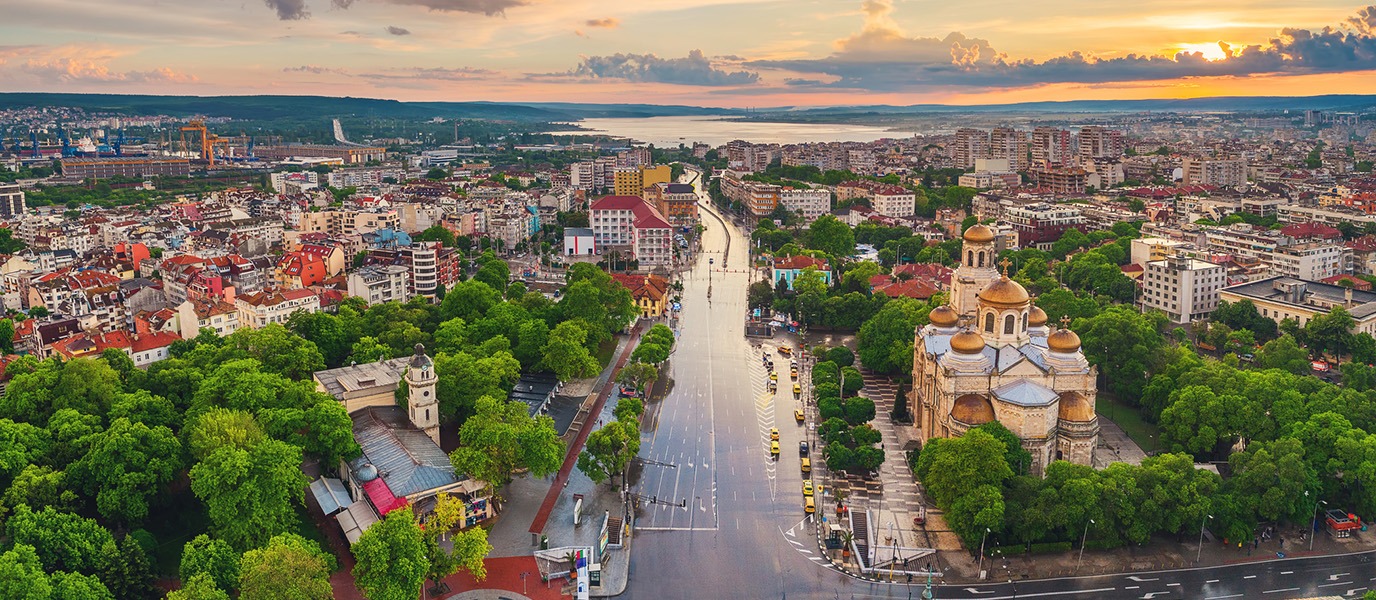
Varna, Bulgaria’s third-largest city with a population of 340,000, serves as the maritime capital and primary gateway to the Black Sea coast. Located 470 kilometers northeast of Sofia, Varna combines 2,600 years of history as an ancient port city with contemporary beach resort energy, cultural attractions, thermal baths, and access to coastal natural wonders.
The city features Bulgaria’s finest archaeological museum, stunning Sea Garden park stretching along the coastline, Roman thermal baths, beautiful beaches, and vibrant summer atmosphere attracting both Bulgarian families and international tourists. Varna successfully balances historical depth with seaside recreation, making it more than a typical beach destination while offering excellent Black Sea coast access and significantly more cultural substance than surrounding resort towns.
Main Tourist Attractions
-
Varna Sea Garden:
Magnificent coastal park stretching 8 kilometers along the Black Sea, established 1878 and continuously expanded into Varna’s pride. This stunning complex features landscaped gardens, walking paths, cycling lanes, monuments, fountains, outdoor theater, zoo, aquarium, planetarium, sports facilities, and numerous cafés. The Sea Garden provides peaceful escape from urban bustle while offering spectacular sea views, making it Varna’s social heart and essential experience -
Varna Archaeological Museum:
Bulgaria’s premier archaeological museum houses extraordinary collections spanning prehistoric to late medieval periods. The museum’s crown jewel: the Varna Necropolis gold treasure—the world’s oldest processed gold artifacts (4,600-4,200 BC), predating Egyptian and Mesopotamian gold. The Thracian, Greek, Roman, and medieval Bulgarian collections provide a comprehensive overview of regional history. The building itself impresses with elegant 19th-century architecture -
Roman Thermae (Roman Baths):
Largest ancient Roman bath complex on the Balkans, dating from 2nd-3rd century AD. These remarkably preserved ruins demonstrate sophisticated Roman engineering with frigidarium (cold room), tepidarium (warm room), caldarium (hot room), heating systems, and architectural grandeur. The scale and state of preservation make this major archaeological site revealing daily life in ancient Odessos (Roman Varna) -
Cathedral of the Assumption:
Varna’s principal Orthodox cathedral, completed 1886 in Neo-Byzantine style with a stunning interior featuring icons, frescoes, wood carvings, and stained glass. The cathedral’s golden domes dominate Varna’s skyline. The beautiful craftsmanship and peaceful atmosphere make it architectural and spiritual landmark -
Varna City Beaches:
Series of sandy beaches within city limits providing easy swimming access. The Central Beach (Primorski) and surrounding beaches offer sunbathing, water sports, beach bars, and promenade walks. While more crowded than resort beaches, city beaches provide convenient seaside relaxation -
Dormition of the Mother of God Cathedral:
Another name for the Cathedral of the Assumption, Varna’s most important religious building and architectural landmark with impressive exterior and richly decorated interior -
Aladzha Monastery:
Medieval cave monastery carved into 25-meter-high cliffs in Zlatni Pyasatsi Nature Park, 15 kilometers north of Varna. This 12th-14th century Orthodox monastery features rock-hewn cells, chapel, and catacombs accessible via metal stairways. The unique cliffside location and forest setting create atmospheric site combining natural beauty with medieval monastic heritage -
Retro Museum:Fascinating museum displaying Socialist-era Bulgarian life through vintage cars, motorcycles, household items, technology, and memorabilia from 1944-1989 Communist period. The comprehensive collection provides insight into everyday existence during Bulgaria’s recent past
-
Aquarium and Black Sea Museum:
Small but well-presented aquarium featuring Black Sea marine life and ecosystems. Educational displays explain the unique Black Sea environment and its flora and fauna. Located in Sea Garden, making easy addition to park exploration
Recommended Activities
-
Sea Garden Exploration: Spend morning or evening strolling entire length of coastal park, visiting attractions within garden complex
-
Archaeological Museum Visit: Dedicate 1-2 hours to viewing world’s oldest gold treasure and comprehensive archaeological collections
-
Beach Relaxation: Enjoy swimming and sunbathing at city beaches or venture to nearby Golden Sands resort (17 km north)
-
Aladzha Monastery Excursion: Half-day trip to explore cave monastery and surrounding nature park with forest trails
-
Day Trip to Balchik: Visit charming coastal town (40 km north) featuring Botanical Garden, palace, and picturesque harbor
-
Stone Forest (Pobiti Kamani) Visit: Explore unique natural phenomenon of stone columns 18 km west of Varna
-
Fresh Seafood Dining: Sample Black Sea fish and seafood at restaurants along coast and in Old Town
-
Cycling Sea Garden: Rent bicycle and cycle entire park length enjoying sea breezes and coastal views
-
Sunset at Sea Garden: Watch spectacular Black Sea sunset from park terraces or beaches
-
St. Constantine and Helena Resort: Visit Bulgaria’s oldest Black Sea resort (8 km north) featuring mineral springs and spa hotels
-
Water Sports: Try jet skiing, parasailing, paddleboarding, or windsurfing at beach facilities
-
Evening Promenade: Join locals for traditional evening walk (corso) along pedestrian streets and Sea Garden
Practical Information
Access:
-
Varna Airport (Varna Airport) – IATA Code: VAR (10 km northwest of city center)
-
International flights from numerous European cities, especially summer season
-
Bus connections from Sofia (approximately 7 hours) and other Bulgarian cities
-
Train connections from Sofia (approximately 7-8 hours)
-
Varna serves as main gateway for northern Black Sea coast resorts
Best Time to Visit:
-
Summer (June-September) for beach activities and warm sea swimming (water 22-25°C)
-
May and October offer pleasant weather with fewer crowds; cooler swimming
-
July-August peak season: lively atmosphere but crowded and more expensive
-
Spring (April-May) good for sightseeing without extreme heat
-
Winter mild but most beach facilities closed; focus on cultural attractions
Visit Duration:
-
Minimum full day for city sightseeing
-
Two days ideal for combining cultural attractions with beach time
-
Three-four days allows relaxed beach holiday plus day trips
-
Varna serves as base for exploring Black Sea coast
Accommodation:
-
Wide range from budget to luxury hotels
-
Sea Garden area offers proximity to beach and park
-
City center convenient for cultural attractions and restaurants
-
Resort hotels in surrounding areas (Golden Sands, St. Constantine) for full beach resort experience
-
Book well in advance for July-August peak season
Local Tips:
-
Beach season officially June-September; sea warmest July-August
-
Sea Garden best visited early morning or evening to avoid midday heat
-
Archaeological Museum worth 2-3 hours for history enthusiasts
-
Roman Thermae free to visit; impressive scale despite being ruins
-
Varna more expensive than inland Bulgaria but still affordable
-
Fresh seafood restaurants cluster near beach areas; verify prices before ordering
-
Public transport includes buses; taxis affordable for short distances
-
English widely spoken in tourist areas and hotels
-
Golden Sands resort 17 km north offers more extensive beach resort facilities but more commercialized
City Four: Bansko – Mountain Paradise
City Introduction:
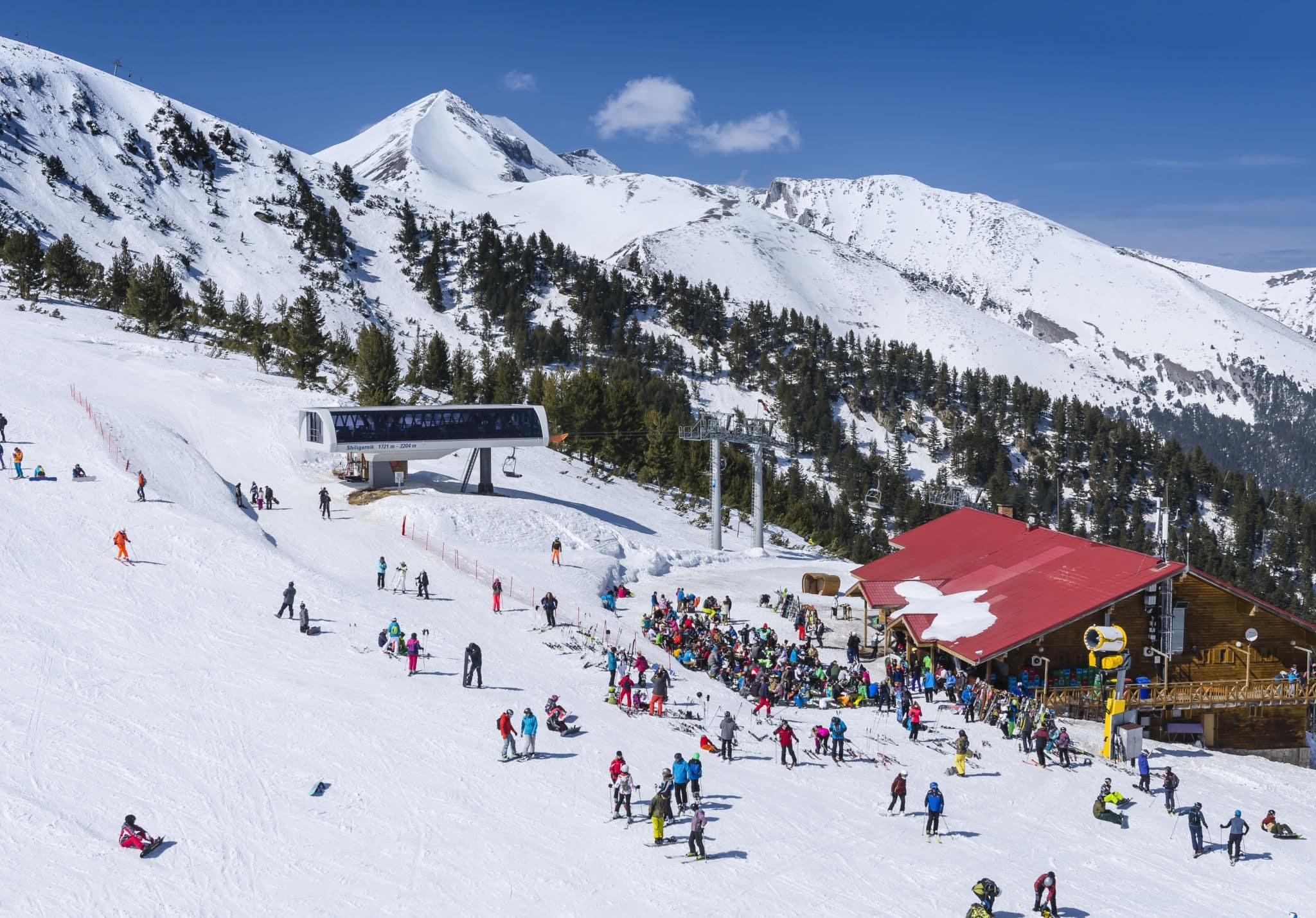
Bansko, located in the Pirin Mountains in southwestern Bulgaria 160 kilometers south of Sofia, has rapidly emerged as Bulgaria’s premier ski resort and year-round mountain destination. This historic town of 10,000 inhabitants combines authentic Bulgarian mountain culture, centuries-old stone architecture, traditional taverns (mehani), and world-class winter sports facilities that have hosted World Cup skiing competitions.
Bansko successfully balances traditional town character with modern ski resort development, offering visitors an authentic Bulgarian mountain atmosphere alongside international-standard skiing infrastructure. The town’s position between Pirin National Park (UNESCO World Heritage Site) and Rila Mountains provides spectacular mountain scenery and diverse outdoor activities extending far beyond winter skiing into four-season alpine tourism.
Main Tourist Attractions and Activities
-
Bansko Ski Resort:
Bulgaria’s largest and most advanced ski area featuring 75 kilometers of groomed pistes across elevation range 990-2,560 meters. Modern gondola lift system transports skiers from town base (936m) to ski area in under 25 minutes. The resort offers runs for all levels: gentle slopes for beginners, intermediate cruising trails, and challenging black runs including the Alberto Tomba competition slope. An advanced snowmaking system covering 80% of terrain ensures reliable conditions December-April. The resort also features terrain park for freestyle skiing and snowboarding -
Historic Bansko Old Town:
Well-preserved traditional quarter featuring characteristic Bulgarian National Revival architecture with stone houses, narrow cobblestone streets, defensive towers, and historic buildings. The old town preserves authentic mountain village atmosphere contrasting with modern resort development -
Holy Trinity Church:
Bansko’s iconic church built 1835, representing the finest example of Bulgarian National Revival ecclesiastical architecture. The church features beautiful frescoes, intricate wood carvings, and a peaceful courtyard. The distinctive stone tower and architectural details make it town landmark -
Nikola Vaptsarov House Museum:
Museum dedicated to Bulgaria’s national poet Nikola Vaptsarov, housed in his birthplace. The traditional house displays period furnishings, personal belongings, and exhibits about Vaptsarov’s life and revolutionary activities -
Bansko Permanent Icon Exhibition:
Collection of religious art showcasing Bansko painting school icons from 18th-19th centuries. The exhibition demonstrates the town’s importance as artistic center during National Revival period -
Pirin National Park:
UNESCO World Heritage Site surrounding Bansko, featuring dramatic limestone peaks, glacial lakes, ancient forests, and exceptional biodiversity. The park offers extensive hiking trail network, mountain hut system, and opportunities for multi-day treks including ascent of Vihren Peak (2,914m), Bulgaria’s second-highest mountain. Summer hiking season (June-October) transforms winter ski resort into mountaineering and trekking destination -
Traditional Mehana Culture:
Bansko boasts over 100 traditional taverns (mehani) serving authentic Bulgarian mountain cuisine in atmospheric stone-and-wood interiors, often with live folk music. These establishments preserve traditional hospitality, regional recipes, and convivial atmosphere central to Bulgarian mountain culture
Recommended Activities
-
Skiing and Snowboarding: Experience modern lift system, diverse terrain, and excellent snow conditions on Bulgaria’s premier ski slopes (December-April)
-
Summer Hiking in Pirin: Trek to Vihren Peak, explore glacial lakes, or follow trails to mountain huts enjoying pristine alpine scenery (June-October)
-
Old Town Walking Tour: Explore cobblestone streets, historic houses, and churches learning about Bansko’s cultural heritage
-
Traditional Mehana Experience: Dine at authentic tavern sampling regional specialties including Bansko-style dishes, grilled meats, and local wines
-
Spa and Wellness: Relax at hotel spa facilities; many ski hotels offer wellness centers with pools, saunas, and treatments
-
Gondola Scenic Ride: Take gondola up mountain during summer for panoramic views and access to hiking trails
-
Day Trip to Dobrinishte: Visit nearby village (6 km) famous for mineral springs and spa hotels
-
Mountain Biking: Explore extensive mountain biking trails in Pirin during summer season
-
Photography: Capture dramatic Pirin peaks, traditional architecture, and mountain landscapes
-
Winter Après-Ski: Experience Bansko’s lively evening scene with numerous bars, clubs, and entertainment venues
-
Seven Rila Lakes Excursion: Day trip to famous glacial lake circuit in nearby Rila Mountains (approximately 100 km)
-
Cultural Events: Attend Jazz Festival (August) or other cultural events celebrating Bansko’s artistic heritage
Practical Information
Access:
-
160 kilometers (2.5-3 hours drive) south of Sofia
-
No commercial airport; most visitors arrive via Sofia Airport
-
Regular bus service from Sofia to Bansko (approximately 3 hours)
-
Private transfers available from Sofia Airport (pre-booked recommended)
-
Car rental provides flexibility for exploring surrounding region
Best Time to Visit:
-
Winter Season (mid-December to mid-April) for skiing; best snow conditions January-March
-
Summer (June-September) for hiking Pirin National Park; July-August warmest
-
Autumn (September-October) for fall colors and pleasant hiking temperatures
-
Spring (May-June) shoulder season; some facilities closed but nature awakening
-
Bansko increasingly developing four-season tourism model
Visit Duration:
-
Ski holiday: typically 5-7 days for week-long winter vacation
-
Summer hiking: 3-4 days minimum for mountain exploration
-
Weekend breaks: 2-3 days sufficient for taste of resort and town
Accommodation:
-
Extensive range from budget hotels to luxury ski-in/ski-out resorts
-
Many hotels offer half-board (breakfast + dinner) packages
-
Traditional guesthouses in old town provide authentic experience
-
Spa hotels feature wellness facilities beyond basic accommodation
-
Book well in advance for peak winter season (Christmas, New Year, February)
-
Summer accommodation more available and significantly cheaper
Local Tips:
-
Ski equipment rental widely available in town and at gondola base; shop around for best rates
-
Lift passes less expensive than Western European resorts; multi-day passes offer best value
-
Ski school instructors available; English-speaking instructors common
-
Traditional mehani cluster in old town; prices moderate; portions generous
-
Bansko significantly cheaper than Alpine ski resorts while offering comparable facilities
-
Gondola operates summer months for mountain access (verify schedule)
-
Mountain weather changeable; bring layers for hiking
-
Pirin National Park requires entry fee; hiking maps available in town
-
Many hotels require half-board or full-board during peak season
-
ATMs available in town; credit cards accepted in hotels and larger establishments
-
Après-ski culture lively but more affordable than Western resorts
Rila Monastery – Bulgaria’s Crown Jewel
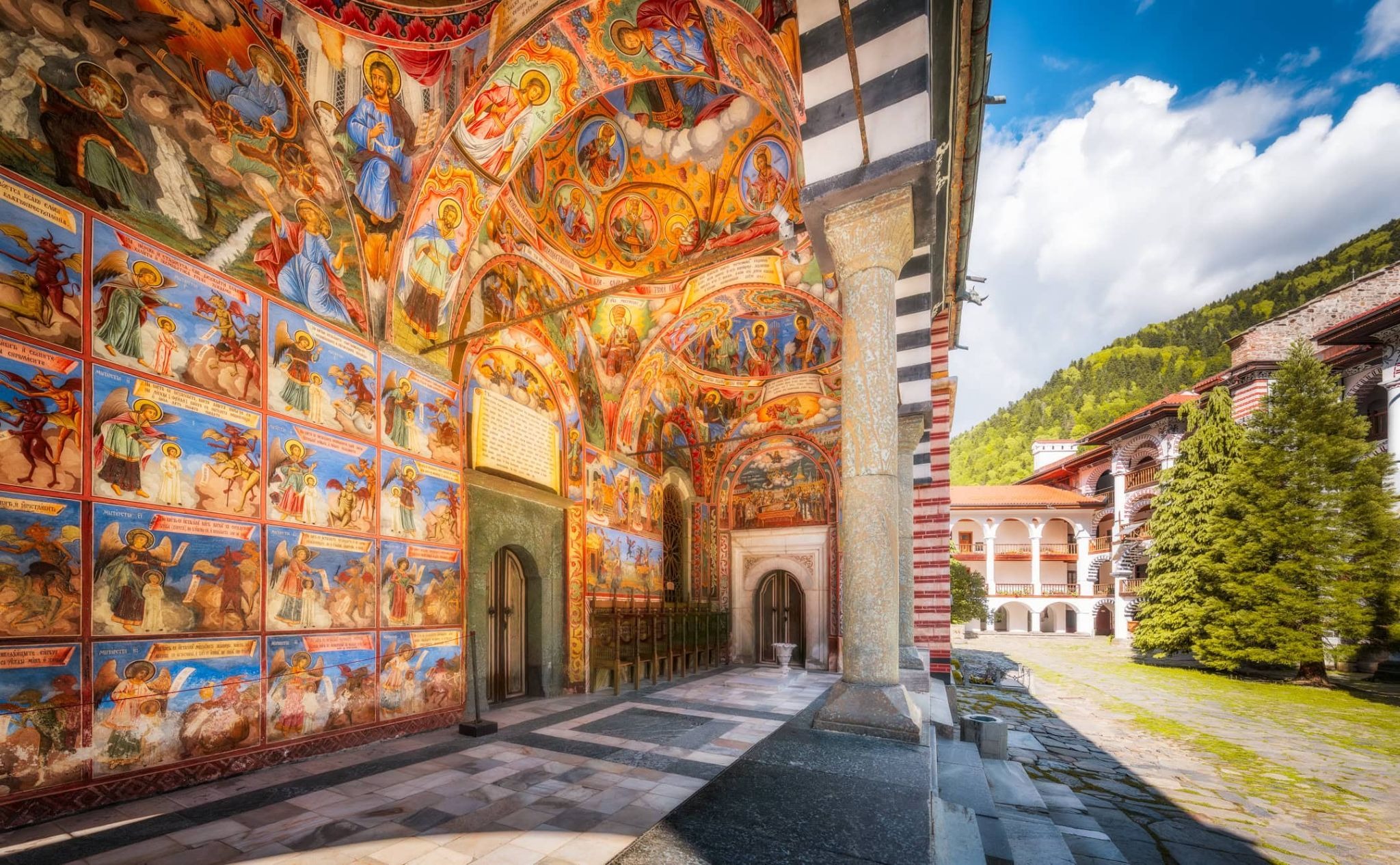
Rila Monastery, located 117 kilometers south of Sofia in the Rila Mountains, represents Bulgaria’s most important cultural and spiritual monument and most visited tourist attraction. This UNESCO World Heritage Site serves as the largest and most significant Eastern Orthodox monastery in Bulgaria, functioning as both an active monastic community and a living museum of Bulgarian heritage.
Overview
Founded in the 10th century by hermit monk Ivan of Rila (later Saint Ivan), the monastery served as spiritual and cultural center preserving Bulgarian language, Orthodox faith, and national identity during Ottoman rule (1396-1878). The current architectural complex dates primarily from the 19th century, rebuilt after devastating 1833 fire, creating a harmonious ensemble of residential wings, church, and defensive structures arranged around the central courtyard.
Key Features
-
Nativity Church:
The monastery’s central church features a stunning exterior with multiple domes, striped arches in red, white, and black, and arcade walkways. The interior dazzles with over 1,200 murals, icons, and frescoes covering every surface in brilliant colors depicting biblical scenes, saints, and Bulgarian history. The elaborate wood-carved iconostasis (1842) exemplifies Bulgarian craftsmanship with intricate details covered in gold leaf -
Hrelyo’s Tower:
Defensive tower dating from 1335, the oldest surviving structure in the monastery complex. The tower’s upper chapel features well-preserved medieval frescoes. The structure provides historical continuity connecting present monastery to medieval foundations -
Monastery Museum:
Rich collection of religious artifacts, medieval manuscripts, icons, and the famous Rila Cross—a masterpiece of micro wood carving featuring 104 biblical scenes and 650 miniature figures carved on walnut wood cross by monk Rafail between 1790-1802 using magnifying glass. The monk went blind upon completion -
Monastery Complex Architecture:
Four-story residential wings surround the central courtyard creating a fortress-like structure. The exterior features distinctive black and white striped arches, 300 monk cells, and harmonious proportions. The mountain setting against forested peaks enhances the monastery’s majesty -
Holy Cave of St. Ivan of Rila:
Located 3.5 kilometers from the monastery via forest trail, this cave served as a hermitage for monastery founder Saint Ivan. Pilgrims visit the narrow cave believing crawling through tests faith and purifies soul
Visiting Rila Monastery
-
Access: Day trips from Sofia most common (2-hour drive); organized tours or rental car
-
Modest Dress Required: Cover shoulders and knees; women may need head covering for church
-
Photography: Exterior photography permitted; interior church photography often restricted
-
Best Time: Early morning or late afternoon to avoid tour bus crowds; weekdays quieter than weekends
-
Overnight Stay: Monastery offers basic accommodation in monk cells for modest fee; unique experience requiring advance reservation
-
Duration: Allow 2-3 hours for comprehensive visit including museum and grounds
-
Facilities: Restaurant, café, souvenir shops selling religious items and crafts
-
Free Entry: Monastery courtyard and church free to enter; museum requires small fee
Combining Attractions: Many tours combine Rila Monastery with Boyana Church (Sofia) for a full-day UNESCO World Heritage circuit.
Important Travel Tips for Bulgaria
Safety and Security
-
Bulgaria very safe for tourism with low violent crime rates
-
Sofia, Plovdiv, and tourist areas extremely safe; normal precautions sufficient
-
Petty theft (pickpocketing) possible in crowded areas and public transport; secure valuables
-
Taxi scams occur in Sofia; use official taxis (OK Supertrans, Yellow Taxi) or ride-sharing apps (Bolt)
-
Emergency services: 112 (universal emergency number)
-
Political situation stable; no significant security concerns for tourists
-
Mountain hiking requires proper preparation; weather can change rapidly
Health
-
No mandatory vaccinations required for travelers from UAE
-
Tap water safe to drink in major cities; quality varies in rural areas
-
European Health Insurance Card (EHIC) provides coverage for EU citizens
-
Travel insurance strongly recommended for all visitors
-
Modern medical facilities available in Sofia and major cities; quality healthcare at affordable prices
-
Pharmacies (apteka) widely available; some medications requiring prescription elsewhere sold over-counter
-
Private clinics and hospitals offer excellent service at fraction of Western European costs
-
Tick-borne encephalitis present in forested areas; use insect repellent when hiking
-
Mineral water from natural springs safe to drink; locals regularly collect from public fountains
Currency and Money
-
Official currency: Bulgarian Lev (BGN), subdivided into 100 stotinki
-
Exchange rate: 1 EUR = 1.96 BGN (fixed rate); 1 USD = approximately 1.80 BGN (fluctuates)
-
Euro accepted in some tourist establishments but rate often unfavorable; using leva recommended
-
ATMs widely available in cities and towns; best exchange rates at ATMs
-
Credit cards accepted in hotels, restaurants, shops in tourist areas
-
Cash essential for small establishments, markets, rural areas, and some traditional restaurants
-
Bulgaria remarkably affordable destination; excellent value compared to Western Europe
-
Tipping: 10% customary in restaurants; often service charge not included; round up for taxis
-
Currency exchange offices in cities; avoid airport exchanges offering poor rates
Communications
-
Mobile coverage excellent in cities and tourist areas; limited in remote mountains
-
EU roaming regulations apply for EU visitors
-
Local SIM cards available for international visitors (A1, Telenor, Vivacom); inexpensive data plans
-
WiFi widely available in accommodations, restaurants, cafés, and public spaces
-
Free WiFi in many Sofia public areas and metro stations
-
International calling cards available for economical calls
-
Most younger Bulgarians speak English; older generation more likely to speak Russian or German
Transportation
-
Sofia metro efficient with 4 lines connecting major areas and airport; single ticket 1.60 BGN
-
City buses, trams, trolleybuses provide extensive urban transport; validate tickets or face fines
-
Inter-city buses connect all major cities and towns; comfortable and affordable
-
Trains connect major cities; slower than buses but scenic and comfortable
-
Car rental useful for exploring countryside, mountains, and remote monasteries; roads generally acceptable
-
Driving: Right-hand traffic; winter tires mandatory December-March; highway vignette required (electronic e-vignette)
-
Taxis affordable but insist on meter use; ride-sharing app Bolt reliable in major cities
-
Cycling infrastructure developing; bike rentals available in tourist areas
-
Mountain cable cars operate at ski resorts; some run summer for hiking access
Cultural Etiquette
-
Bulgarians generally reserved with strangers but warm once acquainted
-
Head Gestures: Nodding means “no”; shaking head means “yes” (opposite of most countries)—very confusing for visitors
-
Learn basic Cyrillic alphabet for reading signs and menus
-
Bulgarian language uses Cyrillic script; basic phrases appreciated
-
English increasingly common among younger generation; Russian understood by older Bulgarians
-
Church etiquette: Modest dress covering shoulders and knees; women may need head covering; remove hats
-
Respect religious sites; photography inside churches often prohibited
-
Greetings: Handshake standard; close friends may kiss on cheek
-
Hospitality important; refusing offered food or drink can offend
-
Toast etiquette: “Nazdrave!” (nahz-DRAH-veh) = “Cheers!”; maintain eye contact when toasting
-
Remove shoes when entering homes
-
Punctuality appreciated for appointments but social events more relaxed
Practical Considerations
-
Bulgaria uses 230V electricity with European-style Type C and F outlets (two round pins)
-
Time zone: Eastern European Time (EET), GMT+2; Eastern European Summer Time (EEST), GMT+3 (March-October)
-
Bulgarian language: South Slavic language using Cyrillic alphabet; challenging for foreigners
-
Cyrillic alphabet: 30 letters; learning basic characters helps navigate signs
-
Weather: Continental climate with hot summers (25-35°C), cold winters (-5 to 5°C in lowlands, much colder in mountains)
-
Tourist season peaks July-August for coast; December-March for ski resorts; shoulder seasons offer best value
-
Many museums close Mondays; verify opening hours in advance
-
Restaurants typically open 11:00-23:00; some close afternoon between lunch and dinner
-
Sunday shopping unrestricted in cities; rural areas may have limited options
-
Bulgaria Tourism website (bulgariatravel.org) provides official information
-
Tourist information offices in major cities offer maps, brochures, and assistance
Bulgarian Cuisine Notes
-
Signature ingredients: yogurt, white cheese (sirene), fresh vegetables, paprika, savory
-
Must-try dishes: Shopska salad, banitsa, tarator (cold yogurt soup), kavarma, moussaka (Bulgarian style), kebapche/kyufte (grilled meats), sarmi (stuffed grape/cabbage leaves)
-
Breakfast: Often banitsa with yogurt (ayran drink) or fresh-baked bread
-
Street food: Banitsa from bakeries, kebapche/kyufte from grills
-
Desserts: Baklava, kadaif, lokum (Turkish delight), revani (syrup cake)
-
Wine culture: Ancient tradition; quality improving rapidly; indigenous varieties Mavrud and Melnik notable
-
Rakia: Traditional fruit brandy (plum, grape, apricot); strong (40-50% alcohol); offered as welcome drink
-
Coffee culture: Both Turkish coffee and espresso popular; outdoor café seating essential to Bulgarian social life
-
Food generally hearty portions at very affordable prices
-
Vegetarians well-served; many traditional dishes vegetable-based
Bulgaria in 2026 stands as one of Europe’s most compelling yet underappreciated destinations, offering an extraordinary combination of ancient history, dramatic natural beauty, cultural authenticity, and exceptional value increasingly rare in modern Europe. From Sofia’s layered civilizations beneath Vitosha Mountain to Plovdiv’s Roman theaters and National Revival houses, from Varna’s Black Sea coast and archaeological treasures to Bansko’s Pirin peaks and ski slopes, Bulgaria provides diverse authentic experiences without mass tourism pressures.
The country’s remarkable depth rewards curious travelers with 8,000 years of continuous settlement, Thracian gold treasures, Roman cities, medieval monasteries, Ottoman heritage, and complex 20th-century history creating fascinating cultural palimpsest. Ten UNESCO World Heritage Sites testify to Bulgaria’s historical significance, while emerging four-season tourism models extend appeal beyond traditional summer beach and winter ski patterns.
Bulgaria successfully balances tourism development with preserved authenticity, maintaining genuine Bulgarian character, traditional cuisine, folk culture, and local hospitality while improving infrastructure and English-language accessibility. The affordability factor makes Bulgaria accessible to travelers seeking European cultural experiences without Western European prices, though rapidly improving quality means Bulgaria is shedding its “cheap destination” reputation for “exceptional value” positioning.
Whether seeking historical immersion in ancient cities, mountain adventures in Rila and Pirin, Black Sea beach holidays, skiing at world-class resorts, spiritual experiences at medieval monasteries, or wellness retreats at mineral springs, Bulgaria delivers memorable experiences marked by authenticity, warmth, and discovery. The country’s compact geography and improving infrastructure allow travelers to combine mountains, coast, cities, and countryside efficiently.