Scotland
Land of Castles, Highlands, and Heritage
Introduction
Scotland, a nation of dramatic landscapes, ancient castles, and rich cultural heritage, stands as one of Europe’s most captivating destinations. Located in the northern part of the United Kingdom, Scotland offers travelers an extraordinary blend of medieval history, stunning natural beauty, vibrant cities, and warm Highland hospitality that has welcomed visitors for centuries.
Known for its mist-covered mountains, deep blue lochs, romantic castles perched on clifftops, and windswept islands, Scotland presents a landscape that seems lifted from the pages of legend and poetry. From the historic Royal Mile of Edinburgh to the dramatic peaks of the Highlands, from the mystical Isle of Skye to the golden beaches of the Outer Hebrides, from world-renowned whisky distilleries to ancient Neolithic monuments, Scotland offers remarkable diversity within a compact, accessible area.
This is a land where tartan-clad bagpipers play haunting melodies, where medieval castles guard centuries of royal intrigue, where lochs harbor legendary creatures, where distilleries craft the world’s finest whisky, and where Highland landscapes inspire poets, artists, and adventurers. Whether you seek cultural exploration in Edinburgh’s UNESCO World Heritage sites, outdoor adventures in the Cairngorms National Park, island hopping through the Hebrides, or tracing your ancestral roots through clan territories, Scotland delivers unforgettable experiences.
For travelers from the UAE, Scotland requires visa arrangements but offers exceptional rewards: a journey into a land where ancient traditions blend with contemporary culture, where natural beauty reaches sublime heights, and where Scottish hospitality, embodied in the Gaelic concept of ceud mìle fàilte (a hundred thousand welcomes), creates memories that last a lifetime.
Quick Facts
Table 1: Essential Scotland Travel Information
Top Destinations in Scotland
1. Edinburgh – Scotland’s Majestic Capital
Scotland’s capital city combines medieval charm, Georgian elegance, and contemporary culture into one of Europe’s most beautiful and culturally rich cities. Built on extinct volcanoes and offering dramatic vistas at every turn, Edinburgh enchants with its historic Royal Mile, stunning castle, world-class museums, and year-round festivals.
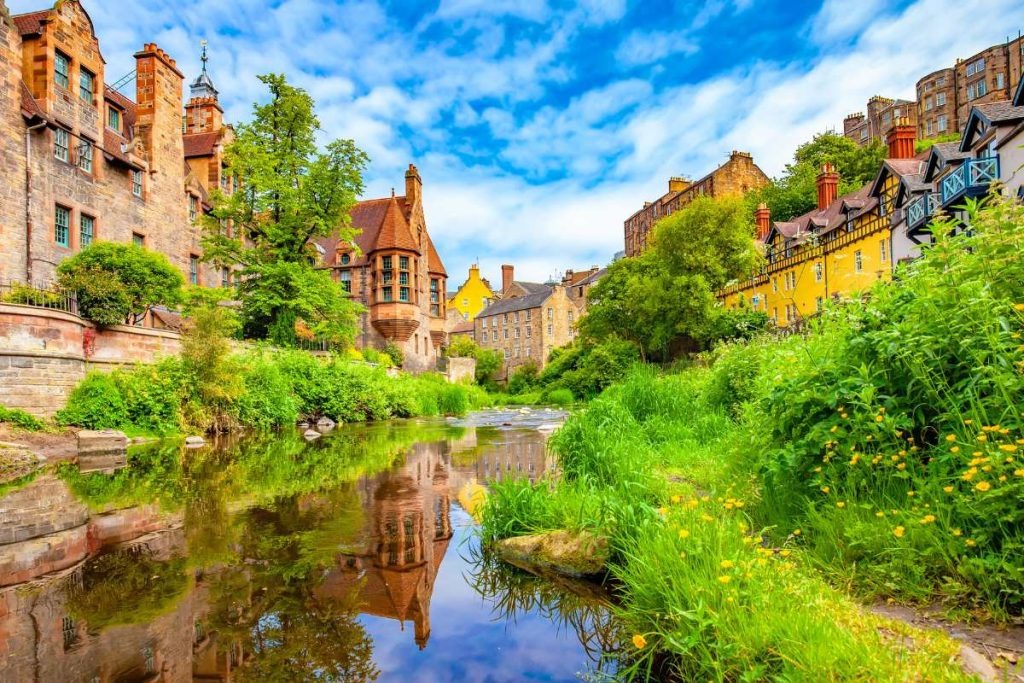
Major Attractions:
Edinburgh Castle – Dominating the city skyline from its perch atop Castle Rock, this iconic fortress has guarded Scotland for over 1,000 years. Explore the Crown Jewels of Scotland (Honours of Scotland), the Stone of Destiny, the National War Museum, St Margaret’s Chapel (Edinburgh’s oldest building), and Mons Meg cannon. The One O’Clock Gun fires daily, maintaining a tradition dating to 1861. The castle offers spectacular panoramic views across the city.
The Royal Mile – Edinburgh’s historic spine connects Edinburgh Castle to the Palace of Holyroodhouse, lined with medieval buildings, closes (narrow alleyways), historic churches, museums, shops, and traditional pubs. Major landmarks include St Giles’ Cathedral with its distinctive crown spire, the Real Mary King’s Close (preserved 17th-century underground streets), and the Scottish Parliament Building.
Holyrood Palace – The official residence of the British monarch in Scotland, this magnificent palace at the foot of the Royal Mile offers tours of the State Apartments, the ruins of Holyrood Abbey, and the chambers where Mary, Queen of Scots lived. The palace remains an active royal residence during official visits.
Arthur’s Seat – This extinct volcano in Holyrood Park provides spectacular hiking just minutes from the city center. The summit (251 meters) offers breathtaking 360-degree views over Edinburgh, the Firth of Forth, and surrounding countryside. The climb takes 45-90 minutes depending on route and fitness level.
National Museum of Scotland – World-class museum showcasing Scottish history, culture, natural history, science, and technology. Highlights include Lewis Chessmen, Dolly the Sheep (first cloned mammal), medieval treasures, and galleries spanning geology to modern design. Admission is free.
Calton Hill – Iconic viewpoint featuring neoclassical monuments including the National Monument (Scotland’s Parthenon), Nelson Monument, and Dugald Stewart Monument. Sunset views are spectacular, and the location provides classic Edinburgh skyline photography opportunities.
Scottish Whisky Experience – Interactive tour exploring Scotland’s national drink through history, production, and regional variations. The experience includes whisky tasting, a barrel ride journey, and the world’s largest collection of Scotch whisky. Perfect introduction to Scottish whisky culture.
New Town – UNESCO World Heritage Site showcasing Georgian architecture and urban planning. Explore elegant Princes Street (main shopping thoroughfare), beautiful Charlotte Square, the Scott Monument, and the National Galleries of Scotland. The New Town contrasts beautifully with the medieval Old Town.
Grassmarket and Victoria Street – Historic market square surrounded by colorful buildings housing independent shops, cozy pubs, and restaurants. The curving Victoria Street inspired Diagon Alley in Harry Potter. This area exudes authentic Edinburgh character[110].
Edinburgh Festivals – The city transforms each August during the Edinburgh Festival Fringe (world’s largest arts festival), International Festival (performing arts), Royal Edinburgh Military Tattoo (spectacular military pageant at the castle), and Book Festival. Year-round festivals celebrate film, science, and Hogmanay (New Year).
Edinburgh serves as an ideal base for exploring Scotland, with excellent transport connections and day-trip access to the Highlands, Stirling Castle, St Andrews, and the Scottish Borders.
2. Glasgow – Scotland’s Vibrant Cultural Hub
Scotland’s largest city pulses with creative energy, architectural splendor, world-class museums, thriving music scenes, and warm Glaswegian hospitality. Once an industrial powerhouse, Glasgow has transformed into a cultural capital renowned for its Victorian and Art Nouveau architecture, exceptional museums, and dynamic contemporary arts scene.
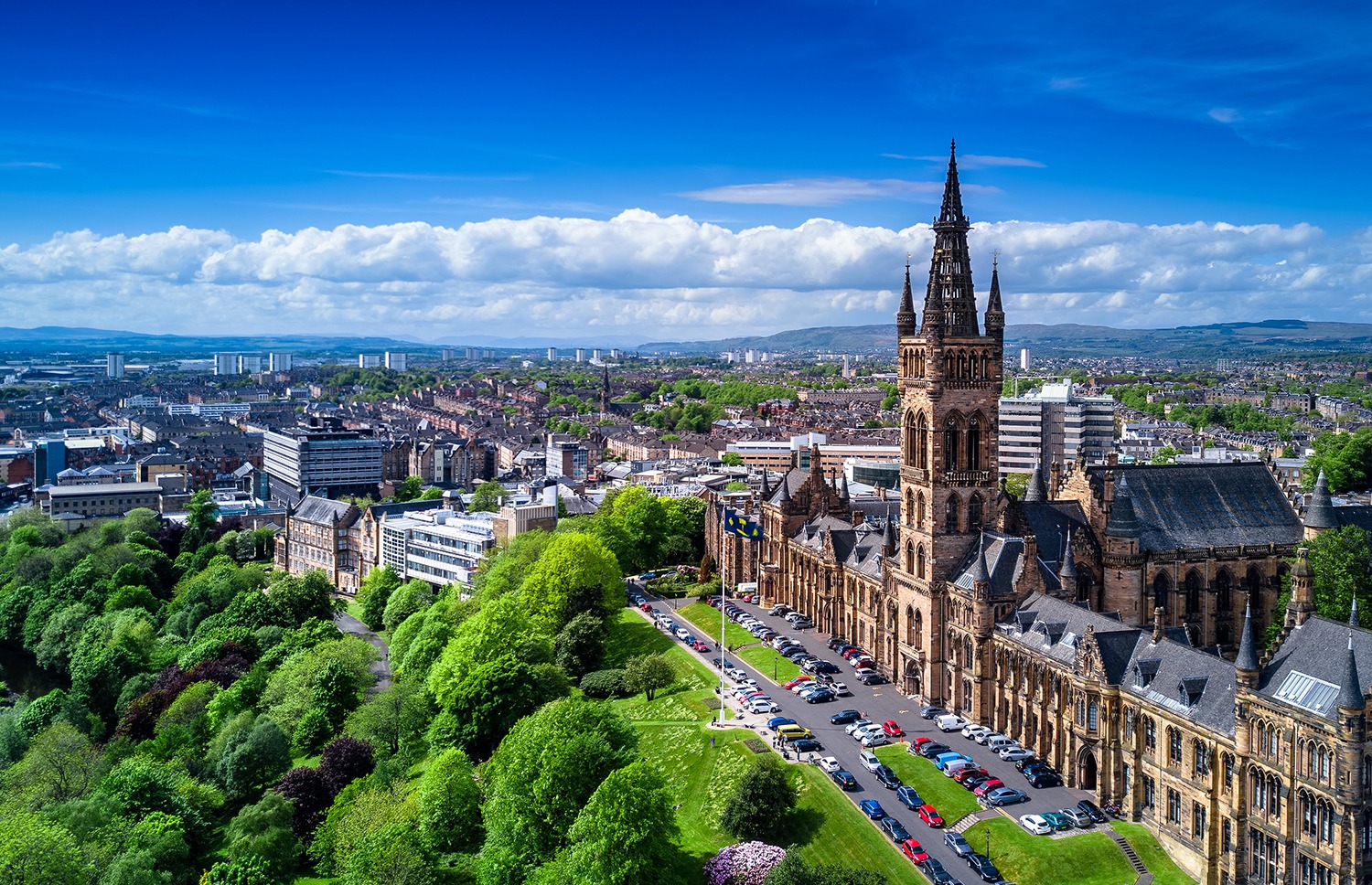
Key Attractions:
Kelvingrove Art Gallery and Museum: Scotland’s most visited free attraction houses exceptional art collections including Salvador Dalí’s “Christ of Saint John of the Cross,” Scottish art, arms and armor, natural history, and Ancient Egypt exhibits in a stunning Victorian building
Glasgow Cathedral: Magnificent medieval cathedral dating to the 12th century, one of Scotland’s finest Gothic buildings, featuring beautiful stained glass and the tomb of St Mungo, Glasgow’s patron saint
The Riverside Museum: Award-winning transport museum designed by Zaha Hadid, showcasing historic vehicles, ships, locomotives, and street reconstructions. The Tall Ship Glenlee is moored alongside
Merchant City: Elegant historic quarter with Georgian and Victorian architecture, trendy bars, restaurants, boutiques, and art galleries
Glasgow School of Art: Charles Rennie Mackintosh’s masterpiece (currently under restoration following fires), representing Scotland’s Art Nouveau movement
Buchanan Street: Main shopping thoroughfare with high-street brands, department stores, and street performers
George Square: Grand Victorian square featuring statues, City Chambers, and serving as the city’s ceremonial center
West End: Bohemian neighborhood surrounding the University of Glasgow, featuring botanical gardens, vintage shops, cafes, and the vibrant Byres Road
Glasgow’s thriving music scene, legendary football culture (Celtic and Rangers), and reputation for friendliness make it a distinctly different experience from Edinburgh, offering urban Scottish culture at its most authentic.
3. The Scottish Highlands – Dramatic Mountain Landscapes
The Highlands represent Scotland’s soul, a vast region of towering mountains, deep glens, cascading waterfalls, mirror-like lochs, and wild, untamed beauty that inspired romantic literature and continues to captivate visitors. This sparsely populated region offers some of Europe’s last true wilderness experiences.
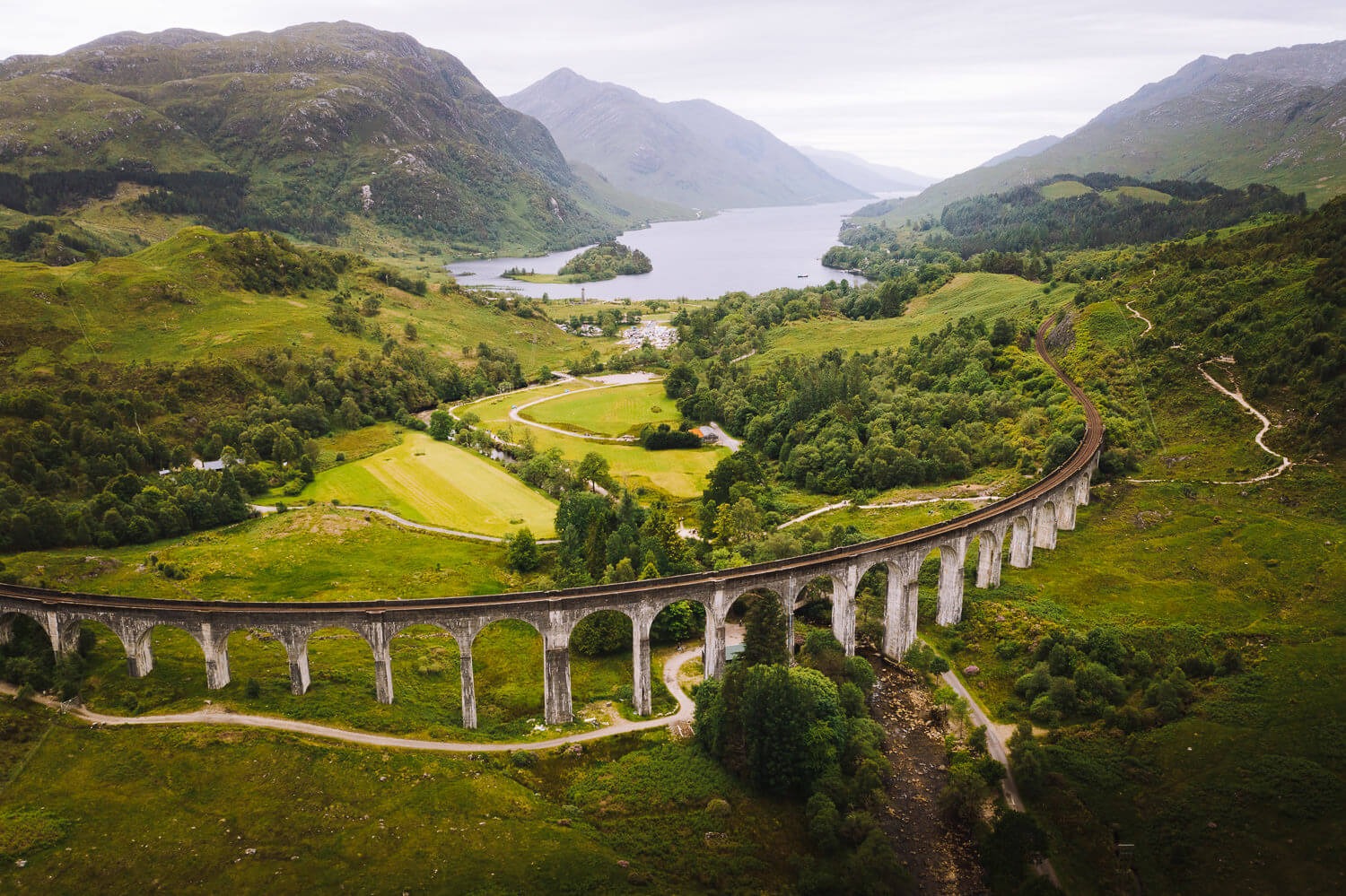
Major Highland Destinations:
Glencoe – Perhaps Scotland’s most dramatic glen, where steep mountains rise from the valley floor creating an atmosphere both beautiful and haunting. Site of the 1692 Massacre of Glencoe, this area offers spectacular scenic drives, excellent hiking trails including the Lost Valley, and the Three Sisters mountain viewpoint. The A82 through Glencoe ranks among the world’s most scenic drives.
Fort William and Ben Nevis – Britain’s outdoor capital sits beneath Ben Nevis (1,345m/4,413ft), the UK’s highest mountain. The town serves as base for climbing Ben Nevis (challenging 7-8 hour round trip), exploring nearby glens, and taking the West Highland Railway to Mallaig. The area attracts hikers, climbers, mountain bikers, and nature enthusiasts year-round.
Loch Ness and Inverness – The legendary loch stretches 37 km through the Great Glen, famous worldwide for the Loch Ness Monster “Nessie.” Inverness, the Highland capital, offers a historic city center, castle, and Victorian Market. Nearby Urquhart Castle ruins on the loch shore provide classic Scottish castle photography and Nessie-spotting opportunities.
Cairngorms National Park – Britain’s largest national park encompasses ancient Caledonian forests, dramatic mountain plateaus, rare wildlife including red squirrels and golden eagles, and charming Highland villages. Winter brings skiing and snowboarding; summer offers hiking, mountain biking, and wildlife watching. The park contains five of Scotland’s six highest mountains.
Glenfinnan – This beautiful Highland glen features the iconic Glenfinnan Viaduct (the curved railway bridge featured in Harry Potter films as the Hogwarts Express route) and the Glenfinnan Monument overlooking Loch Shiel, commemorating Bonnie Prince Charlie’s 1745 Jacobite Rising. The Jacobite Steam Train crosses the viaduct daily in summer.
The North Coast 500 – Scotland’s answer to Route 66, this 516-mile scenic driving route loops through the northern Highlands from Inverness, showcasing dramatic coastal scenery, white sand beaches, mountains, castles, and remote Highland communities. The route has become Scotland’s premier road trip.
Glen Etive – A hidden gem branching off from Glencoe, this stunning glen offers incredible scenery, the River Etive’s turquoise pools, and filming locations from James Bond’s Skyfall. The narrow single-track road penetrates deep into wilderness.
Highland experiences include wildlife spotting (red deer, golden eagles, ospreys), whisky distillery tours through Speyside (Scotland’s whisky heartland), traditional Highland Games (summer events featuring caber tossing, hammer throwing, and bagpipes), and stays in historic Highland lodges.
4. Isle of Skye – Scotland’s Enchanted Island
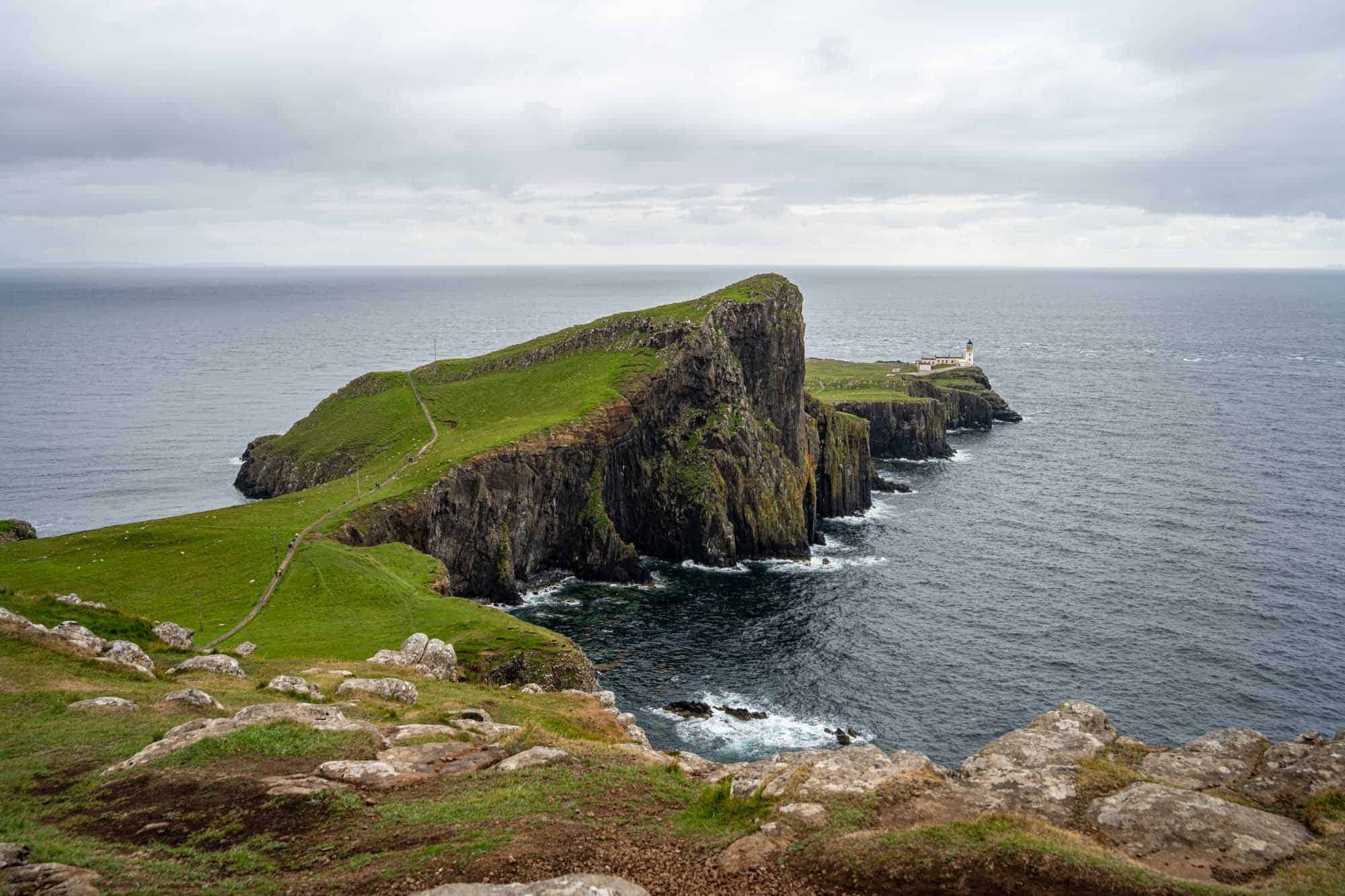
The Isle of Skye represents Scotland at its most mystical and dramatic. Connected to the mainland by bridge, this Hebridean island offers jagged mountain peaks, dramatic coastal cliffs, fairy pools, ancient castles, and ever-changing weather that creates constantly shifting landscapes of mist, rain, and sunshine.
Skye’s Unmissable Attractions:
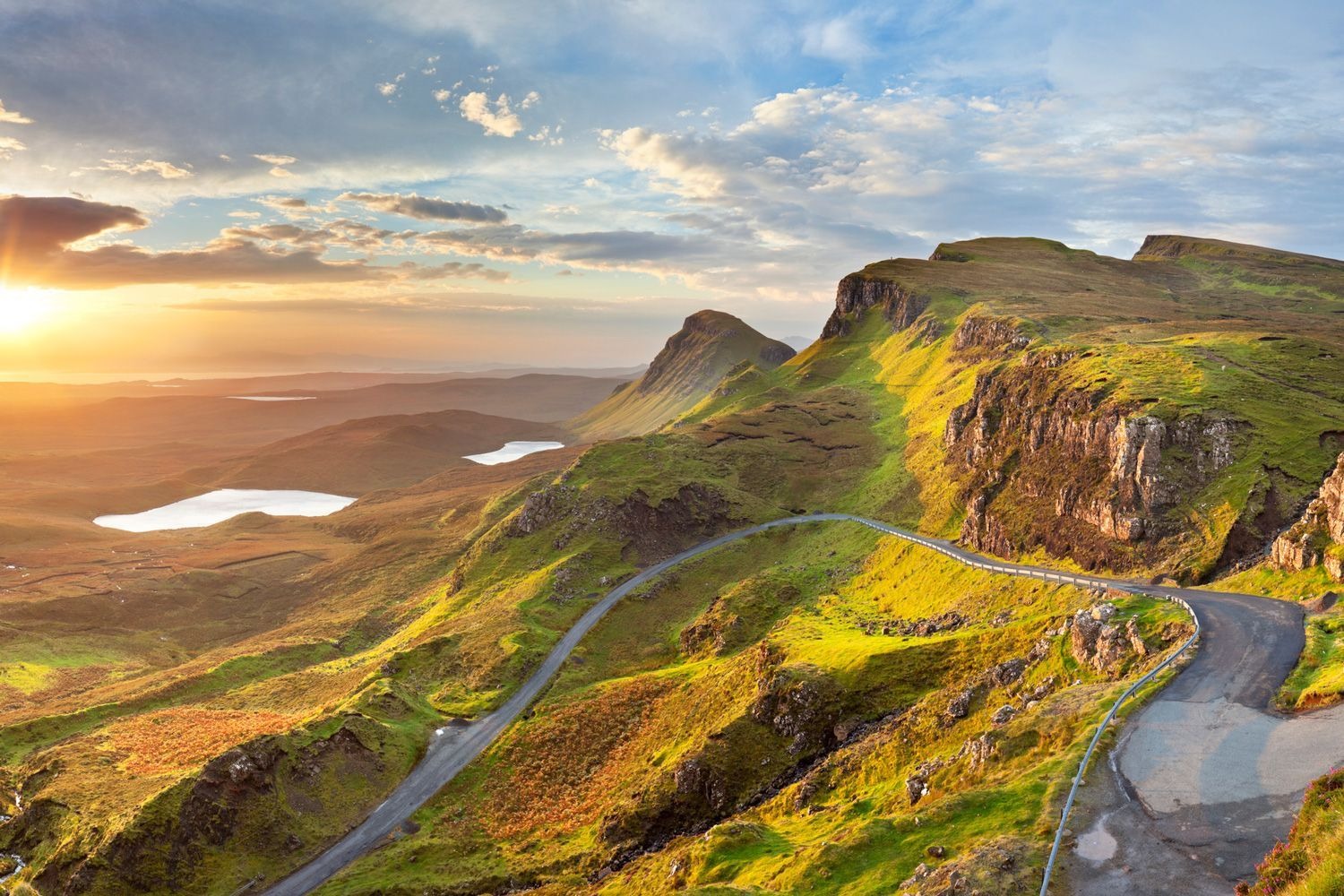
The Trotternish Peninsula – Skye’s most dramatic landscape features bizarre rock formations including the Old Man of Storr (iconic 55-meter pinnacle requiring short steep hike), the Quiraing (otherworldly landslip landscape with hiking trails through rock formations), and Kilt Rock (coastal cliff resembling pleated kilt with waterfall plunging into the sea).
Fairy Pools – Crystal-clear turquoise pools and waterfalls cascading down the slopes of the Black Cuillin mountains. Popular for wild swimming (extremely cold!), photography, and easy hiking. The 2.4 km round-trip walk offers magical scenery.
The Cuillin Mountains – Scotland’s most dramatic mountain range offering world-class climbing and scrambling. The jagged Black Cuillin and smoother Red Cuillin create Skye’s distinctive skyline. Technical scrambling and climbing skills required for most routes.
Neist Point Lighthouse – Skye’s most westerly point features a dramatic lighthouse perched on cliffs above the Atlantic, reached by steep path. Spectacular sunset location and excellent for whale and dolphin spotting.
Dunvegan Castle – Scotland’s oldest continuously inhabited castle, home to Clan MacLeod for over 800 years. Tour castle rooms filled with clan treasures including the Fairy Flag, explore formal gardens, and take boat trips to view seals.
Portree – Skye’s charming capital features colorful harbor-front buildings, excellent restaurants serving fresh seafood, craft shops, and serves as the island’s main hub. The picturesque harbor offers classic Skye photography.
Eilean Donan Castle – Though technically on the mainland near Skye Bridge, this romantic castle on a small tidal island ranks among Scotland’s most photographed landmarks. The restored fortress offers tours and appears in numerous films including Highlander.
Skye’s unpredictable weather creates dramatic atmospheres, prepare for four seasons in one day with waterproof clothing essential. The island’s raw beauty, combined with excellent accommodation including luxury hotels and cozy B&Bs, makes it Scotland’s most sought-after destination.
5. St Andrews – The Home of Golf
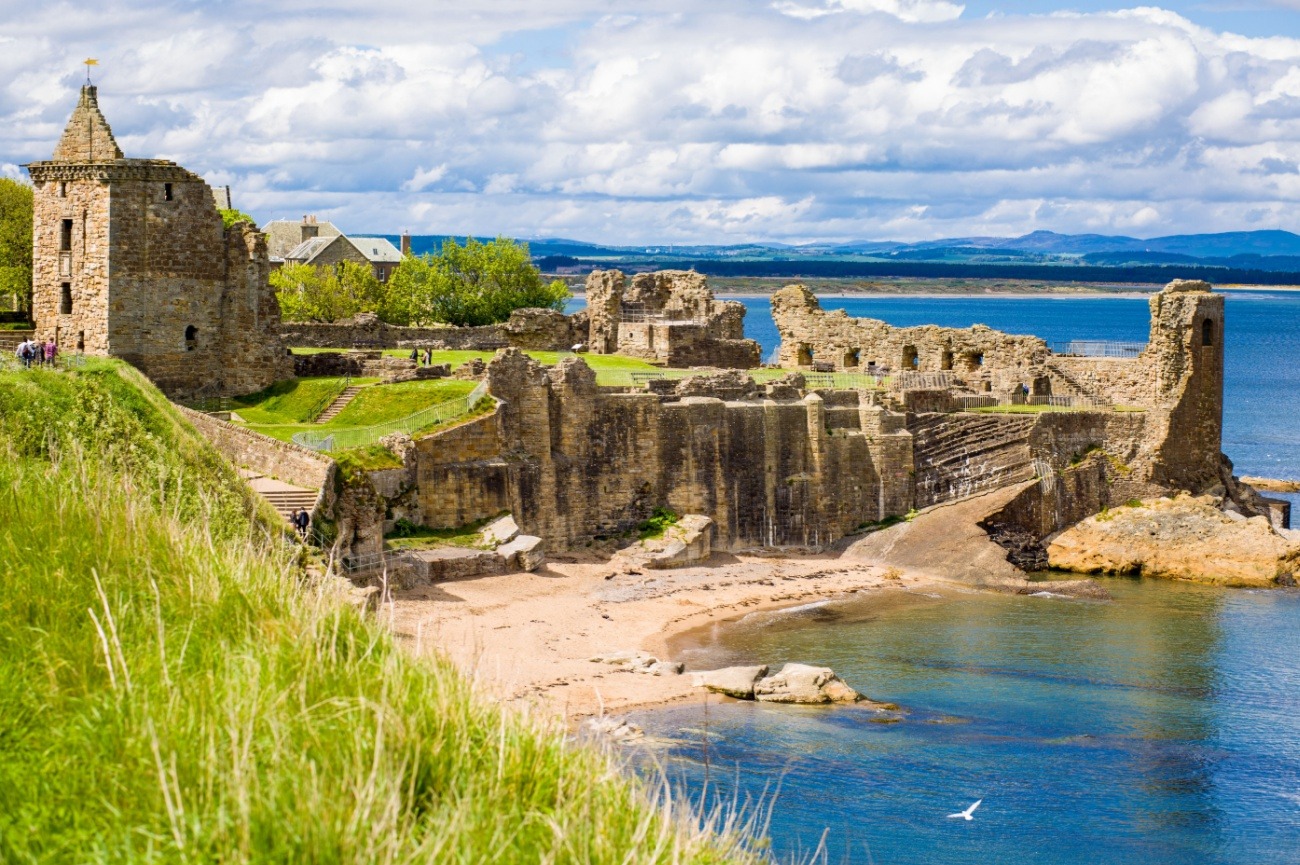
This historic university town on the Fife coast combines medieval charm, prestigious academic reputation, and golfing royalty into an elegant seaside destination. St Andrews blends ancient ruins, sandy beaches, excellent restaurants, and the world’s most famous golf course.
Key Attractions:
The Old Course: The world’s most famous golf course, birthplace of the game, where golf has been played for over 600 years. Non-golfers can walk the course following play or join guided tours. The iconic Swilcan Bridge on the 18th hole is golf’s most photographed location
St Andrews Cathedral Ruins: Once Scotland’s largest cathedral, these atmospheric 12th-century ruins overlook the North Sea. Climb St Rule’s Tower for panoramic views across town and coastline
St Andrews Castle: Clifftop castle ruins featuring medieval siege tunnels, bottle dungeon, and dramatic coastal setting
West Sands Beach: Long stretch of golden sand made famous in the opening scenes of Chariots of Fire, perfect for windswept walks
University of Scotland: Scotland’s oldest university (founded 1413) creates vibrant student atmosphere. Notable alumni include Prince William and Kate Middleton
British Golf Museum: Chronicles 500 years of golfing history with extensive exhibits on equipment evolution, famous players, and the game’s development
The town’s compact medieval streets feature excellent restaurants, traditional pubs, independent shops, and elegant Georgian townhouses. The combination of history, golf, beaches, and academic culture creates unique Scottish charm.
6. Loch Lomond and The Trossachs National Park
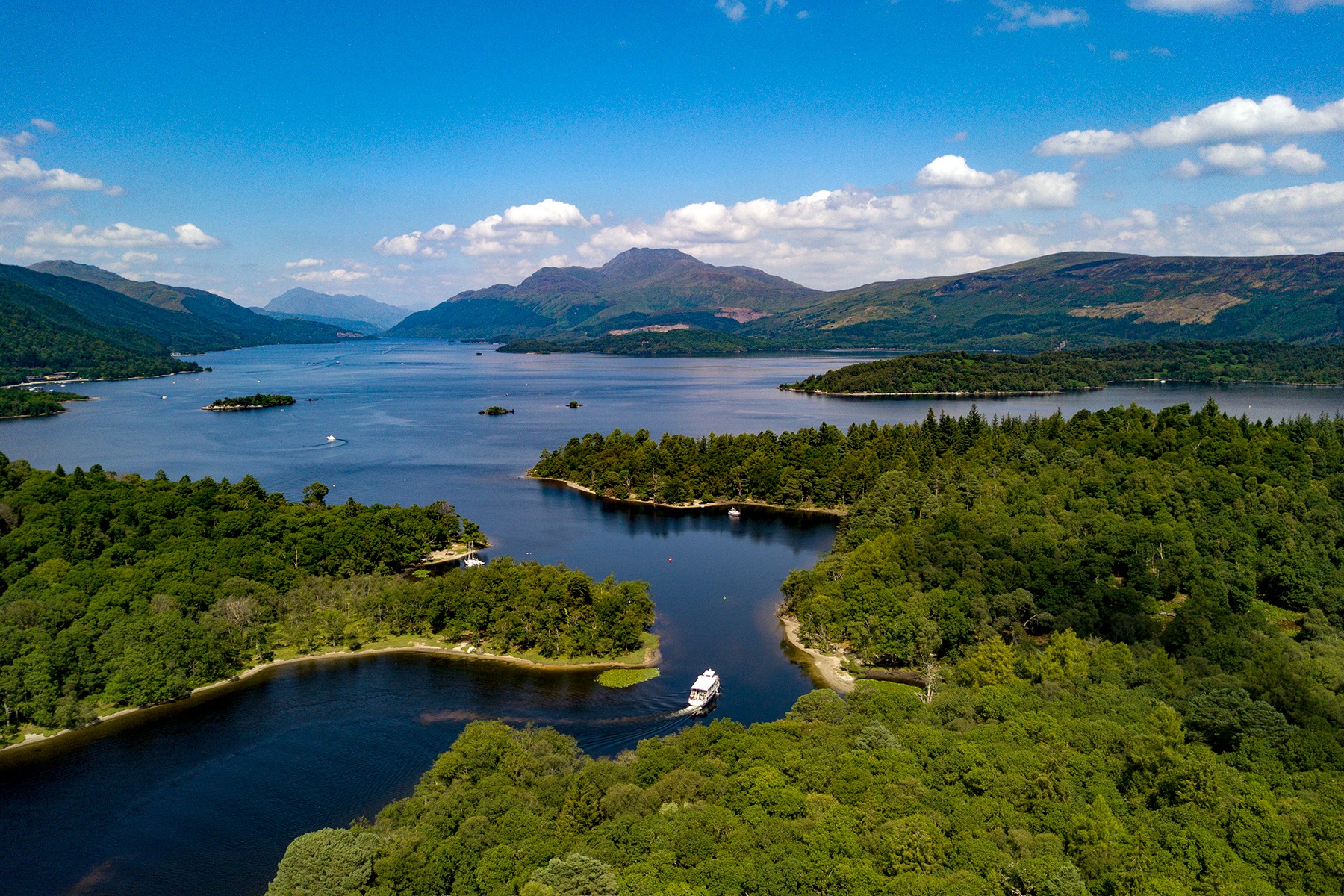
Scotland’s first national park offers sublime Highland scenery just an hour from Glasgow. Loch Lomond, Britain’s largest inland water body, and the surrounding mountains, forests, and lochs provide outdoor adventures, scenic drives, and peaceful retreats amid stunning natural beauty.
Park Highlights:
Loch Lomond: Explore Scotland’s most famous loch by boat cruise, kayak, or lakeside walk. The loch contains 30 islands, some accessible for picnics
Ben Lomond: Popular Munro (Scottish mountain over 3,000 feet) offering challenging but accessible climb with spectacular summit views
Three Lochs Forest Drive: Scenic drive through Argyll Forest passing three lochs with viewpoints, picnic spots, and forest walks
Loch Katrine: Beautiful loch made famous by Sir Walter Scott’s poem “The Lady of the Lake.” Steamship cruises available aboard historic SS Sir Walter Scott
Inveraray: Elegant Georgian town featuring Inveraray Castle (seat of the Duke of Argyll), historic jail museum, and waterfront setting
Luss Village: Picture-perfect conservation village with traditional stone cottages, craft shops, and pier offering loch views
Outdoor Activities: Hiking, mountain biking, water sports, wild swimming, wildlife watching, and forest walks throughout the park
The park’s accessibility from Glasgow and Edinburgh makes it ideal for day trips or longer stays exploring multiple lochs and mountains.
7. Orkney Islands – Neolithic Wonders
The Orkney archipelago off Scotland’s northern coast harbors one of Europe’s most significant concentrations of prehistoric sites. These windswept islands offer extraordinarily well-preserved Neolithic monuments, dramatic coastal scenery, abundant wildlife, and unique Northern Isles culture.
UNESCO World Heritage Sites:
Heart of Neolithic Orkney – Four spectacular prehistoric monuments dating to around 5,000 years ago:
Skara Brae: Remarkably preserved Neolithic village revealed by storm in 1850, showing Stone Age dwellings complete with stone furniture, hearths, and storage
Maeshowe: Magnificent chambered cairn (burial mound) featuring sophisticated architecture and Viking rune inscriptions, aligned to capture winter solstice sunset
Ring of Brodgar: Impressive stone circle originally consisting of 60 megaliths (27 still standing) set in dramatic moorland landscape
Stones of Stenness: Ancient stone circle with massive standing stones predating Stonehenge
Other Orkney Attractions:
Kirkwall: Orkney’s capital features magnificent St Magnus Cathedral (12th-century “Light in the North”), narrow medieval streets, and excellent museums
Scapa Flow: Historic natural harbor where the German fleet scuttled at World War I’s end; now world-class wreck diving destination
Italian Chapel: Beautiful chapel created by Italian POWs during World War II from Nissen huts, painted to resemble elaborate church
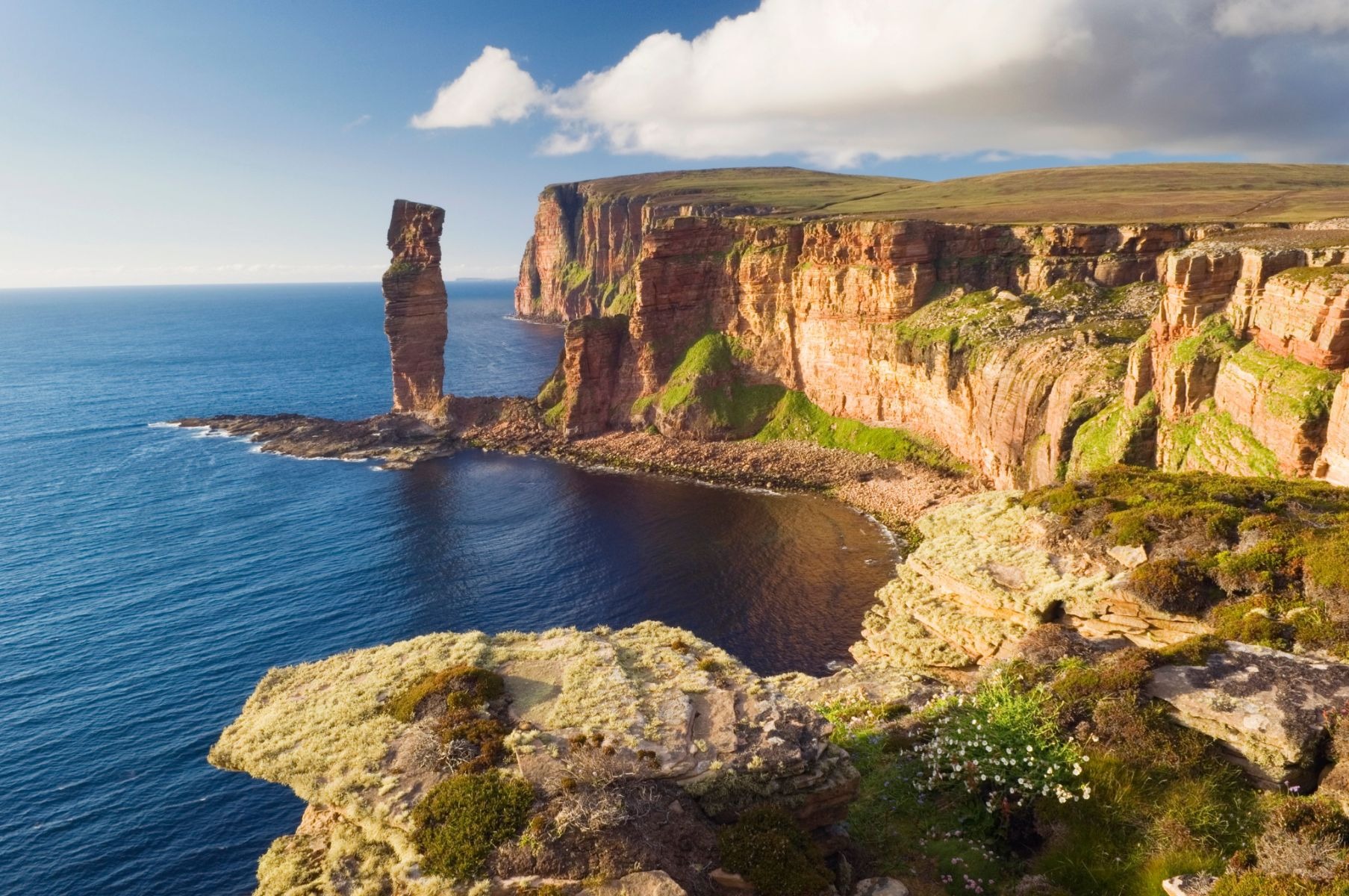
Old Man of Hoy: Dramatic 137-meter sea stack off Hoy island, one of Britain’s most challenging rock climbs
Wildlife: Abundant seabirds including puffins, seals, otters, and possible orca sightings
Orkney’s combination of ancient history, dramatic coastal scenery, wildlife, and friendly islander culture creates a destination unlike anywhere else in Scotland.
8. Scottish Borders – Historic Abbeys and Literary Landscapes
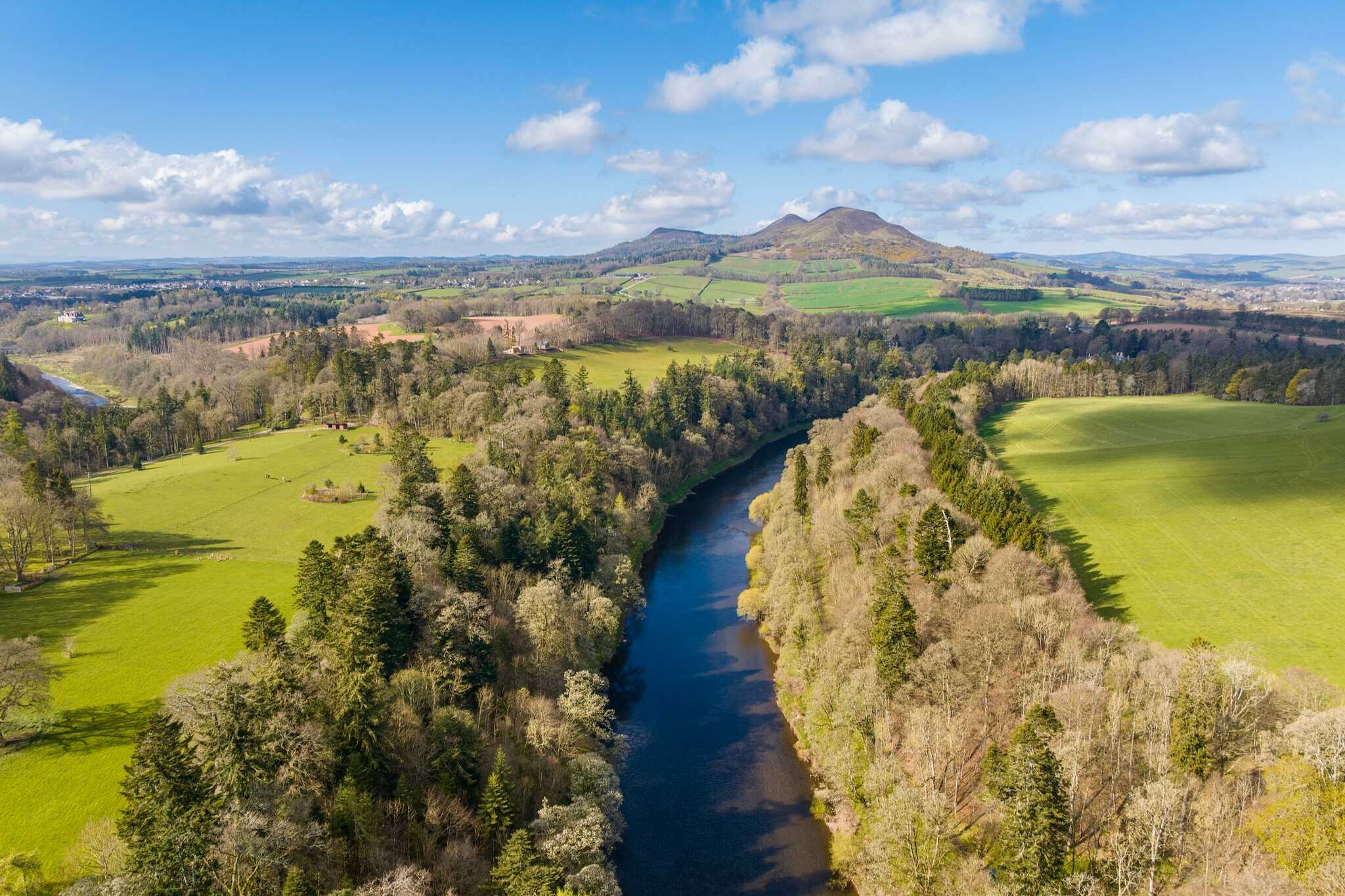
The rolling hills and valleys of southern Scotland harbor magnificent ruined abbeys, historic tower houses, literary connections, and peaceful countryside. Less visited than Highlands, the Borders offer authentic Scottish experiences with rich history and beautiful landscapes.
Key Attractions:
Melrose Abbey: Magnificent 12th-century abbey ruins, finest example of Gothic architecture in Scotland, legendary burial place of Robert the Bruce’s heart
Jedburgh Abbey: Remarkably complete abbey ruins with striking Romanesque and Gothic architecture
Dryburgh Abbey: Romantic abbey ruins in peaceful riverside setting, burial place of Sir Walter Scott
Abbotsford House: Sir Walter Scott’s elaborate mansion filled with historical collections, beautiful gardens overlooking River Tweed
Eildon Hills: Three distinctive peaks offering excellent walking and panoramic Borders views
Scottish Borders Railway: Scenic railway from Edinburgh to Tweedbank through beautiful countryside
The Borders excel for peaceful countryside touring, literary pilgrimages, abbey exploration, and traditional Scottish border towns.
9. Outer Hebrides – Remote Island Beauty
The chain of islands off Scotland’s western coast offers spectacular beaches with white sand and turquoise water (rivaling tropical destinations), ancient standing stones, traditional Gaelic culture, and remote wilderness. These islands provide escape from modern life amid stunning natural beauty.
Main Islands:
Lewis and Harris: Technically one island but two distinct regions. Lewis features the Callanish Standing Stones (ancient stone circle predating Stonehenge), traditional blackhouses, and peat landscapes. Harris showcases some of Britain’s most beautiful beaches including Luskentyre
North Uist, Benbecula, South Uist: String of islands offering exceptional beaches, causeways, machair (flower-rich grassland), and traditional crofting communities
Barra: Southernmost inhabited island where planes land on beach at low tide, featuring Kisimul Castle and beautiful circular coastal road
The Outer Hebrides reward those seeking remote natural beauty, traditional island culture, world-class beaches, and escape from crowds.
10. Whisky Trail – Speyside Distilleries
The Speyside region in northeast Scotland contains the world’s highest concentration of whisky distilleries, producing elegant, complex single malt whiskies. The Malt Whisky Trail allows visitors to tour working distilleries, learn production processes, and taste world-famous drams.
Notable Distilleries:
Glenfiddich: One of few family-owned distilleries, offering excellent tours showing traditional production
The Glenlivet: Historic distillery producing one of world’s best-selling single malts
Macallan: Renowned for sherried whiskies and impressive modern visitor center
Aberlour: Produces rich, complex whiskies; offers intimate tours
Glenfarclas: Family-owned distillery known for sherried whiskies and traditional copper stills
Beyond Speyside, other whisky regions include Highland, Islay (known for peaty whiskies), Lowland, and Campbeltown, each producing distinctive styles reflecting local character.
Suggested Itineraries
7-Day Scotland Highlights
Day 1-2: Edinburgh
Arrive Edinburgh, explore Royal Mile and Edinburgh Castle
Arthur’s Seat hike, National Museum of Scotland
Holyrood Palace, Calton Hill sunset views
Scotch Whisky Experience or evening ghost tour
Day 3: Edinburgh to Isle of Skye
Pick up rental car, drive north through Highlands
Stop at Glencoe viewpoints
Visit Eilean Donan Castle
Arrive Isle of Skye (Portree), evening in harbor town
Day 4-5: Isle of Skye
Day 4: Trotternish Peninsula (Old Man of Storr, Quiraing, Kilt Rock)
Day 5: Fairy Pools, Dunvegan Castle, Neist Point lighthouse
Explore Portree, sample fresh seafood
Day 6: Skye to Glasgow via Glencoe
Morning on Skye
Scenic drive through Glencoe, photo stops
Glen Etive detour
Arrive Glasgow evening, Merchant City dinner
Day 7: Glasgow Departure
Morning: Kelvingrove Art Gallery or Glasgow Cathedral
Riverside Museum or city center shopping
Afternoon departure from Glasgow Airport
10-Day Grand Scotland Tour
Expands 7-day itinerary with additional destinations:
Days 1-2: Edinburgh (as above)
Day 3: St Andrews and East Coast
Morning: Drive to St Andrews
Old Course walk, cathedral and castle ruins
Beach walk, lunch in town
Evening: Drive to Inverness via Cairngorms National Park
Day 4: Loch Ness and Inverness
Urquhart Castle on Loch Ness shore
Loch cruise or Nessie hunting
Inverness city center, castle, Victorian Market
Evening: Drive toward Isle of Skye
Days 5-6: Isle of Skye (as in 7-day itinerary)
Day 7: Fort William and Glencoe
Morning: Glenfinnan Viaduct and Monument
Fort William, Ben Nevis viewpoints
Afternoon: Glencoe exploration, Three Sisters viewpoint
Overnight: Glencoe or Fort William
Day 8: Loch Lomond and Stirling
Drive through Loch Lomond National Park
Luss village, loch viewpoints
Stirling Castle (Scotland’s grandest castle)
Evening: Arrive Glasgow
Day 9: Glasgow
Kelvingrove Art Gallery
Glasgow Cathedral, Necropolis cemetery
Riverside Museum
West End neighborhood, University of Glasgow
Evening: Traditional pub dinner with live music
Day 10: Departure
Morning: Last-minute shopping on Buchanan Street
Departure from Glasgow or Edinburgh Airport
14-Day Complete Scotland Experience
Adds Orkney, Outer Hebrides, or Scottish Borders to 10-day tour:
Option A: Northern Islands Extension
Days 11-12: Orkney Islands (Neolithic sites, Kirkwall, Italian Chapel)
Day 13: Return to mainland, explore north coast
Day 14: Departure
Option B: Western Isles Extension
Days 11-12: Outer Hebrides (Callanish Stones, Harris beaches)
Day 13: Ferry return, west coast driving
Day 14: Departure
Option C: Whisky and Castles Extension
Days 11-12: Speyside Whisky Trail, distillery tours
Day 13: Royal Deeside, Balmoral Castle, Aberdeen
Day 14: Return Edinburgh, departure
Scottish Cuisine – Hearty Highland Fare
Scottish cuisine celebrates fresh local ingredients including seafood, game, beef, lamb, root vegetables, and oats, combined into hearty dishes suited to the cool climate. While historically simple, modern Scottish cooking showcases excellent local produce with contemporary techniques.
Must-Try Traditional Dishes
Haggis, Neeps, and Tatties: Scotland’s national dish, savory pudding of sheep’s heart, liver, and lungs mixed with oatmeal, onions, suet, and spices, traditionally served with mashed turnip (neeps) and potatoes (tatties), often accompanied by whisky sauce. Despite unusual ingredients, haggis is delicious, peppery, and satisfying.
Cullen Skink: Creamy, hearty soup made with smoked haddock, potatoes, onions, and milk, comfort food perfection from northeast fishing villages.
Scotch Broth: Traditional soup containing barley, root vegetables (carrots, turnips, leeks), and lamb or mutton, creating warming, nourishing meal.
Stovies: Ultimate Scottish comfort food, simple but flavorful dish of potatoes, onions, meat drippings, and leftover meat, slowly cooked into satisfying one-pot meal.
Scottish Salmon: World-renowned smoked or fresh salmon from Highland rivers and coastal farms, served as gravadlax, smoked, or pan-fried.
Fish and Chips: Scottish take on this classic features haddock or cod in crispy batter, served with chips (fries) and often mushy peas. Battered haggis at chip shops offers adventurous variation.
Scotch Pie: Small savory pie with hot water crust pastry filled with minced mutton or beef, perfect handheld snack.
Cock-a-Leekie Soup: Traditional soup combining chicken, leeks, and prunes in flavorful broth.
Arbroath Smokies: Hot-smoked haddock from Arbroath, protected geographical indication product with distinctive smoky flavor.
Scottish Beef: Premium Aberdeen Angus beef, renowned worldwide for quality, tenderness, and flavor, enjoyed as steaks, roasts, or in steak pie.
Venison: Wild red deer meat offering lean, rich, gamey flavor served as steaks, in stews, or as burgers.
Black Pudding: Blood sausage made with oatmeal, pork fat, and blood breakfast staple with intense, savory flavor.
Scottish Desserts and Baking
Cranachan: Traditional dessert layering whipped cream, honey, toasted oats, fresh raspberries, and whisky, light, delicious celebration of Scottish ingredients.
Shortbread: Iconic buttery biscuit made from butter, sugar, and flour, simple but irresistible, perfected over centuries.
Dundee Cake: Rich fruit cake topped with almonds, originating from Dundee.
Tablet: Scottish candy similar to fudge but grainier texture, made from sugar, butter, and condensed milk, dangerously addictive.
Clootie Dumpling: Traditional steamed pudding with dried fruits and spices, wrapped in cloth (cloot).
Scottish Oatcakes: Savory biscuits made from oats, served with cheese, salmon, or butter.
Scottish Beverages
Scotch Whisky: Scotland’s most famous export, with distinct regional styles from Speyside (elegant, complex), Highland (diverse styles), Islay (peaty, smoky), Lowland (light, gentle), and Campbeltown. Single malt whisky from individual distilleries offers unique character, while blended whisky combines multiple malts. Enjoying a “dram” neat or with water is essential Scottish experience.
Scottish Beer and Ale: Traditional Scottish ales include “heavy” (similar to English bitter), export ales, and modern craft beers from innovative breweries.
Irn-Bru: Scotland’s “other national drink”, bright orange carbonated soft drink with unique flavor, beloved by locals and outselling Coca-Cola in Scotland.
Scottish Gin: Burgeoning craft gin industry producing excellent gins using botanicals like heather, rowan berries, and seaweed.
Tea: Hot tea remains popular throughout the day, especially with shortbread or scones.
Dining Experiences
Traditional pubs serving hearty fare in cozy atmospheres
Fine dining restaurants showcasing modern Scottish cuisine with local ingredients
Fish and chip shops (“chippies”) for casual takeaway meals
Whisky bars offering extensive dram selections with knowledgeable staff
Afternoon tea at historic hotels with scones, cakes, and sandwiches
Farmers markets featuring local produce, crafts, and artisan foods
Practical Travel Information
Getting There
By Air:
Edinburgh Airport (EDI): Scotland’s busiest airport, 13 km west of city center
Glasgow Airport (GLA): Major international gateway, 13 km west of Glasgow
Aberdeen Airport (ABZ): Serves northeast Scotland
From UAE: No direct flights; connect through London (Heathrow, Gatwick), European hubs (Amsterdam, Frankfurt, Paris), or Middle Eastern hubs (Doha, Istanbul). Total journey time typically 10-14 hours including connections
Domestic Flights: Limited flights between Edinburgh, Glasgow, Aberdeen, Inverness, and islands
Budget Airlines: EasyJet, Ryanair serve Scottish airports from European cities
By Train:
Excellent train connections from London to Edinburgh (4.5 hours) and Glasgow (4.75 hours) via East Coast or West Coast mainlines
Caledonian Sleeper overnight train from London offers berths and comfortable overnight travel
By Ferry:
Ferry services connect Scottish islands to mainland
International ferries from Northern Ireland, Netherlands (seasonally)
Getting Around Scotland
Car Rental:
Most flexible option for exploring Highlands and islands
Drive on left side of road
Roads generally good condition; single-track roads common in Highlands and islands (passing places required)
International Driving Permit recommended alongside UAE license
Automatic transmission available but costs more than manual
Fuel (petrol/diesel) expensive compared to UAE; rural stations scarce
Parking challenging in Edinburgh city center; use park-and-ride facilities
Winter driving requires caution due to ice and snow in Highlands
Trains:
ScotRail operates extensive network connecting major cities and towns
Scenic routes include West Highland Line (Glasgow-Fort William-Mallaig), Kyle Line (Inverness-Kyle of Lochalsh), and Far North Line (Inverness-Thurso)
BritRail passes offer unlimited train travel
Advance booking saves money
Limited service to remote Highland areas
Buses:
Scottish Citylink operates intercity coach services
Local bus services in cities and towns
Rural bus services limited; verify schedules
More economical than trains but slower
Ferries:
Caledonian MacBrayne (CalMac) operates ferry services to Hebridean islands
NorthLink Ferries serve Orkney and Shetland
Book vehicles in advance during summer
Weather can cause cancellations and delays
Organized Tours:
Day tours from Edinburgh and Glasgow to Highlands, Loch Ness, and Stirling
Multi-day Highland tours with accommodation included
Whisky tours visiting multiple distilleries
Island hopping tours
Private driver-guides available for customized itineraries
Accommodation Options
Hotels: Range from budget chains to luxury five-star properties; Edinburgh and Glasgow offer extensive choices
Bed and Breakfasts (B&Bs): Traditional Scottish accommodation offering comfortable rooms and hearty Scottish breakfasts; personal hospitality and local knowledge
Guesthouses: Larger than B&Bs, more rooms, similar friendly atmosphere
Self-Catering Cottages: Ideal for longer stays or families; cottages, lodges, and holiday homes throughout Scotland
Historic Hotels and Castles: Stay in converted castles, manor houses, and historic buildings for unique experiences
Hostels: Budget-friendly options in cities and popular tourist areas; SYHA (Scottish Youth Hostels Association) operates quality hostels
Camping and Glamping: Campsites throughout Scotland; glamping offers comfortable camping with facilities
Bothies: Free basic mountain shelters for hikers (bring sleeping bag and supplies)
Currency and Money
Currency: Pound Sterling (GBP); 1 GBP ≈ 4.80 AED
Scottish banks issue own banknotes (valid throughout UK but occasionally questioned in England)
Credit and debit cards widely accepted; contactless payment common
ATMs (cash machines) available in towns and cities; limited in remote areas
Some small businesses, rural areas, and markets prefer cash
Tipping: 10-15% in restaurants if service not included; round up taxi fares; £1-2 per bag for porters; tips appreciated but not obligatory
VAT (Value Added Tax) of 20% included in displayed prices
Tax-free shopping available for non-UK residents on goods taken home
Language and Communication
English is primary language, spoken with Scottish accent (varies by region)
Scots (Germanic language closely related to English) spoken in some areas
Scottish Gaelic spoken in Highlands and islands (bilingual signage in Gaelic areas)
Scottish vocabulary differs from standard English: “wee” (small), “bonnie” (beautiful), “braw” (good), “ken” (know), “aye” (yes), “kirk” (church)
Accents can be strong, especially Glasgow and northeast; don’t hesitate to ask for repetition
Scots are generally patient with visitors learning local expressions
Best Time to Visit Scotland
Spring (April-May):
Weather: Improving conditions, temperatures 8-15°C, longer daylight hours, occasional rain
Highlights: Wildflowers blooming, bluebell woods, lambing season, fewer crowds than summer
Best for: Sightseeing, hiking, city exploration, avoiding peak season prices
Considerations: Some Highland roads and attractions may still have limited access; weather unpredictable
Summer (June-August):
Weather: Warmest season, temperatures 15-20°C (occasionally warmer), longest daylight (nearly 18 hours in June at northern latitudes)
Peak Season: Most tourists, especially July-August; accommodation and attractions busy; higher prices
Highlights: Edinburgh Festival Fringe (August), Highland Games, extended daylight for sightseeing, all attractions open, best weather for islands and beaches
Best for: Festivals, outdoor activities, island visits, hiking, wildlife watching
Considerations: Crowds at major attractions; midges (tiny biting insects) troublesome in Highlands July-August, especially damp, still conditions
Autumn (September-October):
Weather: Mild temperatures 10-16°C in September, cooling through October, increasing rainfall, beautiful autumn colors
Shoulder Season: Fewer crowds than summer, moderate prices, excellent for photography with fall foliage
Highlights: Autumn colors in forests and glens, heather blooming on moorlands, wildlife active, Highland stag rutting season
Best for: Photography, hiking, scenic drives, whisky distillery tours, avoiding crowds
Considerations: Days shortening, especially October; weather increasingly variable; some island services reducing frequency
Winter (November-March):
Weather: Cold temperatures 2-7°C, short daylight hours (as few as 6-7 hours in December), frequent rain, snow in Highlands, occasional storms
Low Season: Fewest tourists, lowest prices, some island services limited or suspended, some Highland roads may close
Highlights: Winter landscapes, snow-covered mountains, cozy pub evenings, Hogmanay (New Year) celebrations, winter walking, occasional Northern Lights in northern Scotland
Best for: Budget travel, winter landscapes, whisky tourism, city breaks, avoiding crowds, winter sports (skiing/snowboarding in Cairngorms)
Considerations: Limited daylight for sightseeing; Highland weather can be harsh; some attractions close or reduce hours; ferry cancellations common
Optimal Visiting Periods:
Best Overall: May-June and September for balance of weather, daylight, and crowds
Best Weather: June-August, though rain possible anytime
Best Value: October-April (except Christmas/New Year and February school holidays)
Edinburgh Festival: August offers incredible cultural experiences but expect crowds and premium prices
Avoiding Midges: Visit outside July-August peak midge season, or choose coastal/windy locations where midges less prevalent
Cultural Etiquette and Customs
Scots are friendly, welcoming, and appreciate polite manners
“Please,” “thank you,” and “sorry” used frequently
Queuing (standing in line) taken seriously, never push ahead
Pub culture important; buying rounds customary when drinking in groups
Tipping appreciated but not obligatory; 10-15% in restaurants appropriate
Punctuality valued for appointments and tours
Avoid sensitive topics like independence referendum or sectarian football rivalry unless locals initiate
“Scotland” not “England”, important distinction for Scots
Tartan and clan heritage significant to many Scottish families
Respect nature: follow Scottish Outdoor Access Code when hiking
Photography generally acceptable at tourist sites; ask permission for individuals
Safety and Health
Safety:
Scotland is very safe destination with low crime rates
Petty theft possible in busy tourist areas, secure valuables
Edinburgh’s Old Town closes can be dark at night, stay on main streets
Emergency number: 999 (police, ambulance, fire)
Political stability; no significant safety concerns for tourists
Wild camping legal in Scotland under Scottish Outdoor Access Code
Mountain and coastal weather can change rapidly, check forecasts and prepare properly
Midges (tiny biting insects) nuisance in Highlands June-September; use repellent
Health:
No vaccinations required for UAE travelers
Excellent healthcare system; NHS provides emergency treatment
Travel insurance strongly recommended for comprehensive medical coverage
Tap water safe to drink throughout Scotland (some prefer bottled in Highlands)
Pharmacies (chemists) widely available for minor ailments
Prescription medications: bring sufficient supply plus prescription documentation
Midges don’t transmit disease but bites irritating, use Avon Skin So Soft or specialist repellents
Ticks in Highland grassland/moorland areas, check skin after hiking, remove properly if bitten
Sun protection necessary despite cool climate, UV exposure still significant
Connectivity and Communication
Mobile Networks: Excellent coverage in cities and towns; patchy in remote Highlands and islands
Mobile Operators: EE, Vodafone, O2, Three provide good coverage; EE typically best for rural areas
Tourist SIM Cards: Available at airports and shops; consider Three or giffgaff for good value
Wi-Fi: Available in hotels, B&Bs, cafés, restaurants, and tourist attractions; often free
Internet Speed: Generally good in urban areas; variable in rural locations
Public Phones: Decreasing but iconic red phone boxes still found in some locations
Shopping in Scotland
Traditional Scottish Products
Tartan and Tweed: Clan tartans, Harris Tweed (from Outer Hebrides with protected status), scarves, ties, kilts, and fabric by the meter
Whisky: Single malt or blended Scotch whisky from distilleries visited; check customs limits for alcohol import to UAE
Cashmere and Wool: High-quality cashmere sweaters, cardigans, and accessories; Scottish wool products
Shortbread: Traditional buttery biscuits in decorative tins, perfect gifts
Scottish Tablet: Addictive traditional candy similar to fudge
Smoked Salmon: Vacuum-packed Scottish smoked salmon from quality producers
Pottery and Ceramics: Handcrafted pottery, especially from Highlands and islands
Scottish Jewelry: Celtic designs, silver jewelry, pebble jewelry, Scottish gemstones
Bagpipes and Instruments: Traditional musical instruments or miniature decorative versions
Clan Merchandise: Items featuring family clan crests, tartans, and histories
Scottish Books: Robert Burns poetry, Walter Scott novels, modern Scottish literature
Scottish Gin: Craft gins using local botanicals
Shopping Locations
Edinburgh: Royal Mile (traditional Scottish shops), Princes Street (high-street brands), Grassmarket (independent shops), Victoria Street (boutiques, Harry Potter inspiration)
Glasgow: Buchanan Street (main shopping thoroughfare), Merchant City (designer boutiques), West End (vintage and independent shops), Barras Market (weekend market)
Distillery Shops: Best place to purchase whisky, often exclusive bottlings
National Trust for Scotland Shops: Quality Scottish products at historic sites
Edinburgh Woollen Mill: Chain stores selling tartan, woolens, and Scottish gifts throughout Scotland
Farmers Markets: Local produce, crafts, artisan foods
Unique Scottish Experiences
Highland Games
Attend traditional Highland Games (summer months throughout Scotland) featuring caber tossing, hammer throwing, tug-of-war, Highland dancing, and bagpipe competitions. These gatherings celebrate Scottish culture, clan heritage, and athletic prowess in spectacular Highland settings.
Whisky Distillery Tours
Tour working distilleries throughout Scotland, learning whisky production from malting through distillation to maturation, culminating in tasting sessions. Speyside offers concentrated distillery tourism, while Islay showcases peaty whiskies and island character.
Jacobite Steam Train
Ride the “Hogwarts Express” from Fort William to Mallaig, crossing the iconic Glenfinnan Viaduct featured in Harry Potter films, through stunning Highland scenery. This heritage steam railway operates April-October, offering one of world’s most scenic train journeys.
Castle Stays
Experience Scottish hospitality staying in converted castles, many offering luxury accommodations with historic atmosphere, fine dining, and activities like clay pigeon shooting, fishing, or falconry.
Ghost Tours
Join evening ghost tours exploring Edinburgh’s haunted underground vaults, graveyards, and closes, hearing tales of body snatchers, plague victims, and supernatural encounters. Edinburgh’s dark history provides spine-tingling entertainment.
Hogmanay (New Year) Celebrations
Experience Scotland’s legendary New Year celebrations, particularly Edinburgh’s massive street party featuring concerts, torch processions, and midnight fireworks. Hogmanay holds special significance in Scottish culture, often celebrated more than Christmas.
Wildlife Watching
Spot red deer in Highlands, puffins on coastal cliffs, seals on rocky shores, golden eagles soaring above mountains, dolphins and whales off Hebridean islands, and red squirrels in Caledonian forests.
Tartan Weaving Mills
Visit working mills producing authentic Harris Tweed or tartan, watching traditional weaving processes and purchasing cloth directly from source.
Traditional Ceilidh Dancing
Participate in ceilidh (traditional Scottish social dancing) at pubs, hotels, or festivals. Live traditional music guides participants through group dances, fun, social, and authentically Scottish.
UNESCO World Heritage Sites in Scotland
Scotland’s seven UNESCO World Heritage Sites showcase the nation’s exceptional cultural and natural heritage:
Old and New Towns of Edinburgh (1995): Contrasting medieval Old Town and Georgian New Town demonstrating exceptional urban planning and architecture
Heart of Neolithic Orkney (1999): Four Neolithic monuments (Skara Brae, Maeshowe, Ring of Brodgar, Stones of Stenness) offering unparalleled insights into prehistoric life 5,000 years ago
New Lanark (2001): Model industrial village and cotton mills representing 18th-19th century social reform and industrial heritage
The Antonine Wall (2008): Roman frontier wall built 142 AD across central Scotland, part of “Frontiers of the Roman Empire” transnational site
The Forth Bridge (2015): Iconic Victorian railway bridge representing engineering excellence and industrial revolution achievements
St Kilda (1986, extended 2004-2005): Remote archipelago recognized for both natural (seabirds, marine environment) and cultural (island community heritage) significance, one of few dual World Heritage Sites globally
The Flow Country (2024): Vast blanket bog in northern Scotland, world’s most extensive such landscape, crucial for biodiversity and carbon storage
Why Choose Scotland?
Dramatic Natural Beauty: Highlands mountains, mirror-like lochs, rugged coastlines, pristine islands offer some of Europe’s most stunning landscapes
Rich Historical Heritage: Ancient Neolithic sites, Roman frontiers, medieval castles, Jacobite battlefields, and UNESCO World Heritage Sites spanning 5,000 years
Cultural Authenticity: Living traditions of bagpipes, tartan, Highland Games, whisky, and warm Scottish hospitality
World-Class Cities: Edinburgh’s medieval grandeur and festival culture, Glasgow’s vibrant arts and architecture
Whisky Heritage: Home of Scotch whisky with distillery tours throughout whisky regions
Literary and Film Connections: Settings for Harry Potter, Outlander, Braveheart, Skyfall; birthplace of Robert Burns, Sir Walter Scott, Robert Louis Stevenson
Outdoor Adventures: Hiking, climbing, wildlife watching, island hopping, scenic railways, water sports
Manageable Scale: Compact geography allows extensive touring within 7-14 days
Year-Round Appeal: Each season offers distinct character from summer festivals to winter snow-covered Highlands
Safe and Welcoming: Friendly locals, excellent infrastructure, safe for independent travel
English-Speaking: Easy communication for international visitors
Culinary Revival: Traditional Scottish fare alongside modern gastronomy showcasing local ingredients
Contact Information
Blue Rose Travel & Tourism LLC
Dubai, United Arab Emirates
For customized Scotland tour packages, hotel reservations, rental car arrangements, guided tours, UK visa assistance, and complete travel services, contact our IATA-accredited travel agency. We specialize in creating comprehensive British Isles and European experiences tailored to individual preferences, from cultural heritage tours to Highland adventures, whisky trails, and multi-country itineraries.
Our Services Include:
Customized Scotland itinerary planning (7-21 days)
Hotel, B&B, and castle accommodation reservations
Flight bookings (connecting flights via London or European hubs)
UK Standard Visitor Visa application assistance and documentation support
Rental car arrangements with GPS and insurance
Airport transfers and private drivers with vehicles
Guided tours with English/Arabic-speaking guides
Whisky distillery tour packages (Speyside, Islay, Highland)
Multi-day Highland tours with accommodation included
Edinburgh Festival accommodation and tickets
Scottish Highland Games attendance arrangements
Ferry bookings to Scottish islands
Travel insurance arrangements
24/7 support during travel
Combined UK itineraries (Scotland-England, Scotland-Ireland)
Special interest tours (golf, genealogy, whisky, castles, literature)
Scotland stands as one of the world’s most captivating destinations, offering travelers an extraordinary blend of dramatic natural beauty, profound historical heritage, vibrant cultural traditions, and genuine Highland hospitality. From exploring Edinburgh’s medieval Royal Mile and world-class museums to hiking through the mist-covered peaks of Glencoe, from discovering 5,000-year-old Neolithic monuments on Orkney to sipping single malt whisky in Speyside distilleries, from photographing the fairy-tale Isle of Skye to walking the windswept beaches of the Outer Hebrides, Scotland presents remarkable diversity and authentic experiences.
This is a land where ancient standing stones whisper of prehistoric mysteries, where castle ruins harbor tales of clan warfare and royal intrigue, where lochs reflect snow-capped mountains in mirror-perfect stillness, where bagpipes echo through Highland glens, where the warm glow of whisky mirrors the warmth of Scottish hospitality, and where every turn in the road reveals another breathtaking vista. Whether you seek cultural immersion in Edinburgh’s festivals, outdoor adventures in the Cairngorms, island-hopping through the Hebrides, literary pilgrimages following Robert Burns, or simply the peace of Highland landscapes, Scotland rewards every traveler.
With exceptional historical sites recognized by seven UNESCO World Heritage designations, stunning natural landscapes from mountains to beaches, distinctive cultural traditions from tartans to whisky, warm and welcoming people who embody ceud mìle fàilte, and experiences ranging from castle luxury to wild camping adventures, Scotland delivers journeys that inspire, challenge, and ultimately transform those who venture to this northern land.
Often called “the most beautiful country in the world” by those who’ve experienced its magic, Scotland invites you to discover why generations of travelers, poets, artists, and adventurers have fallen under its spell. Come explore a land where legend and reality intertwine, where ancient traditions thrive alongside contemporary culture, where every season paints the landscape in different hues, and where the spirit of the Highlands captures hearts and creates memories treasured for lifetimes.
Discover Scotland, where dramatic mountains meet deep blue lochs, where medieval castles crown rocky outcrops, where whisky distilleries craft liquid gold, where ancient stones mark landscapes unchanged for millennia, where friendly faces welcome strangers as friends, and where every journey unveils the extraordinary character of this remarkable nation at Britain’s northern edge.