The Cradle of Civilization & Pearl of the Middle East
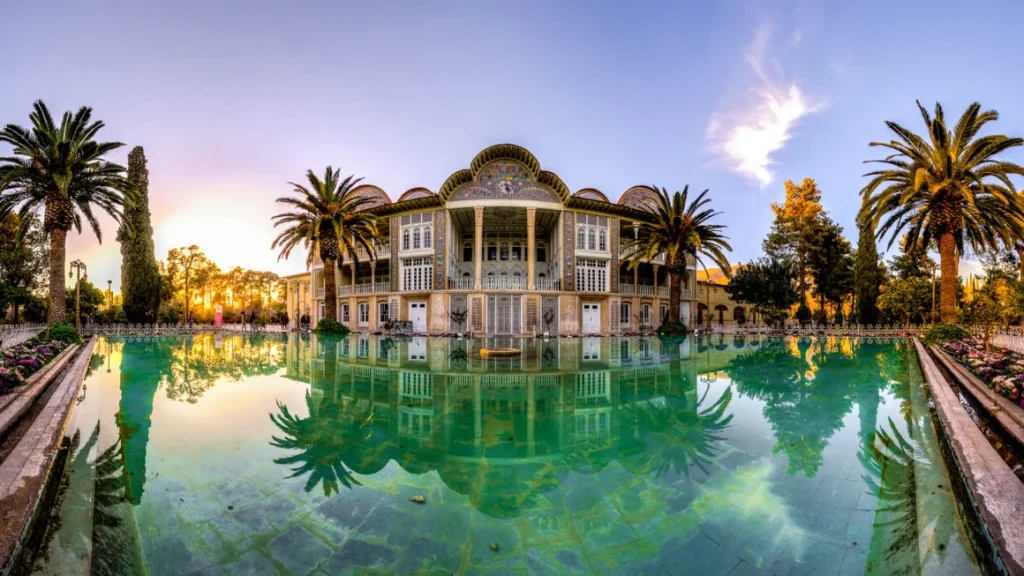
Eram Garden : Shiraz
Introduction to Iran
Iran, officially the Islamic Republic of Iran, is one of the world’s oldest and most fascinating travel destinations. Situated at the crossroads of Central Asia, the Middle East, and the Caucasus, this ancient land has served as the heart of multiple great empires and is home to some of humanity’s most remarkable cultural and architectural achievements.
With 29 UNESCO World Heritage Sites, Iran ranks among the top 10 countries globally for recognized cultural and natural heritage. From the towering columns of Persepolis to the turquoise domes of Isfahan, from lush Caspian forests to vast salt deserts, Iran offers an unparalleled diversity of experiences for the discerning traveler.
As a fully halal-friendly destination, Iran is ideal for Muslim travelers seeking culturally respectful tourism. All food served throughout the country is halal, and the warm Persian hospitality, known as “Ta’arof”, ensures visitors feel genuinely welcomed from the moment they arrive.
At a Glance: Iran Quick Facts
| Capital | Tehran |
| Official Language | Persian (Farsi) |
| Currency | Iranian Rial (IRR) & Toman |
| Population | Approx. 90 million |
| Area | 1,648,195 km² (17th largest country) |
| UNESCO Sites | 29 World Heritage Sites (10th globally) |
| Best Time to Visit | Spring (March-May) & Autumn (Sep-Nov) |
| Religion | Islam (Shia) — 100% Halal-friendly destination |
| Time Zone | IRST (UTC+3:30) |
| Visa | Visa on arrival available for many nationalities |
Top Destinations in Iran
Iran’s cities each tell a unique chapter of the country’s 3,000-year story. Whether you are drawn to ancient ruins, Islamic architecture, desert landscapes, or bustling bazaars, Iran has a destination perfectly suited for you.
| City | Nickname | Must-See Attraction | UNESCO Status |
|---|---|---|---|
| Tehran | Capital of Contrasts | Golestan Palace, Milad Tower | Golestan Palace (2013) |
| Isfahan | Half of the World | Naqsh-e Jahan Square | UNESCO (1979) |
| Shiraz | City of Poetry & Gardens | Persepolis, Pink Mosque | Persepolis (1979) |
| Yazd | City of Wind Catchers | Old Town, Fire Temple | UNESCO City (2017) |
| Kashan | City of Roses & Mansions | Fin Garden, Tabatabaei House | Persian Gardens (2011) |
| Tabriz | Gateway to Iran | Grand Bazaar | UNESCO Bazaar (2010) |
| Mashhad | Spiritual Capital | Imam Reza Holy Shrine | Major Islamic pilgrimage site |
Isfahan — Half of the World
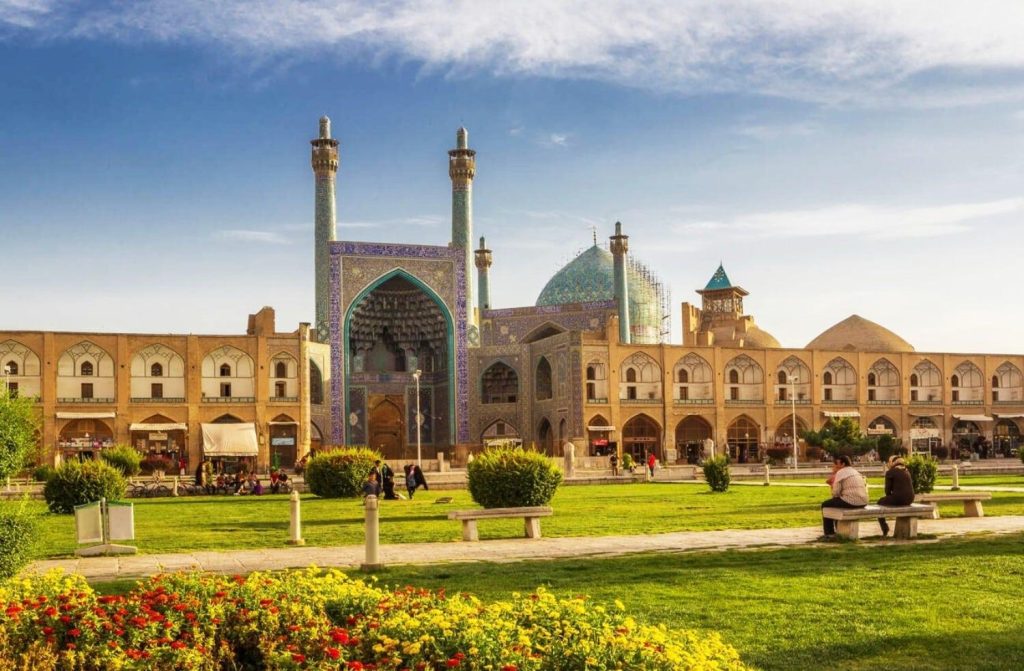
Naqsh-e Jahan Square — UNESCO World Heritage Site, Isfahan
Isfahan is widely considered Iran’s most beautiful city, earning the Persian saying “Esfahan nesf-e jahan” — “Isfahan is half the world.” The city flourished under Shah Abbas I in the 16th century, who transformed it into one of the most splendid capitals in Asia.
Must-See Attractions in Isfahan
-
- Naqsh-e Jahan Square (Imam Square) — One of the largest public squares in the world and a UNESCO World Heritage Site since 1979
-
- Imam Mosque (Shah Mosque) — A masterpiece of Islamic architecture featuring breathtaking tile work and calligraphy
-
- Sheikh Lotfollah Mosque — Famous for its unique no-minaret design and extraordinary interior dome
-
- Ali Qapu Palace — Six-story palace overlooking Naqsh-e Jahan Square with music rooms decorated with plasterwork
-
- Vank Cathedral — A stunning Armenian Christian church showcasing Persian-Armenian artistic fusion
-
- Si-o-se-pol Bridge — The iconic 33-arch bridge over the Zayandeh River, ideal for evening walks
-
- Isfahan Grand Bazaar — A labyrinthine market perfect for Persian carpets, miniatures, and handicrafts
Shiraz — City of Poetry, Roses & Ancient Persia
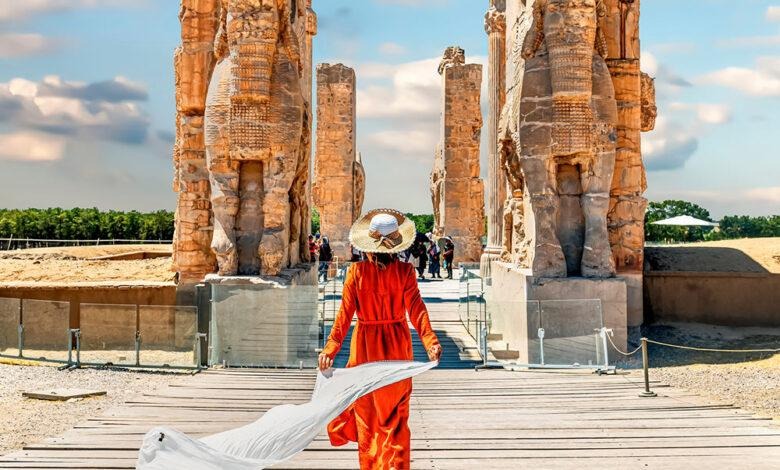
Persepolis — The ceremonial capital of the Achaemenid Persian Empire (500–330 BC)
Shiraz is the soul of ancient Persia. As the former capital of the Zand dynasty and the gateway to Persepolis, this city blends literary heritage with some of Iran’s most iconic historical monuments. Shiraz is renowned for its gardens, poets, and the city’s unique rose water used in traditional Persian cooking.
Must-See Attractions in Shiraz
-
- Persepolis (Takht-e Jamshid) — UNESCO World Heritage Site; the ceremonial capital of the Achaemenid Empire built in 515 BC, among the world’s greatest archaeological treasures
-
- Nasir al-Mulk Mosque (Pink Mosque) — Famous for its spectacular stained-glass windows that cast rainbow light across the prayer hall each morning
-
- Pasargadae — UNESCO site; the tomb of Cyrus the Great, founder of the Persian Empire
-
- Hafez Tomb (Hafezieh) — Memorial garden and mausoleum of Iran’s beloved 14th-century poet Hafez
-
- Eram Garden — UNESCO Persian Garden with a stunning Qajar-era pavilion amid botanical beauty
-
- Vakil Bazaar — One of Iran’s finest covered bazaars, dating to the 18th century Zand dynasty
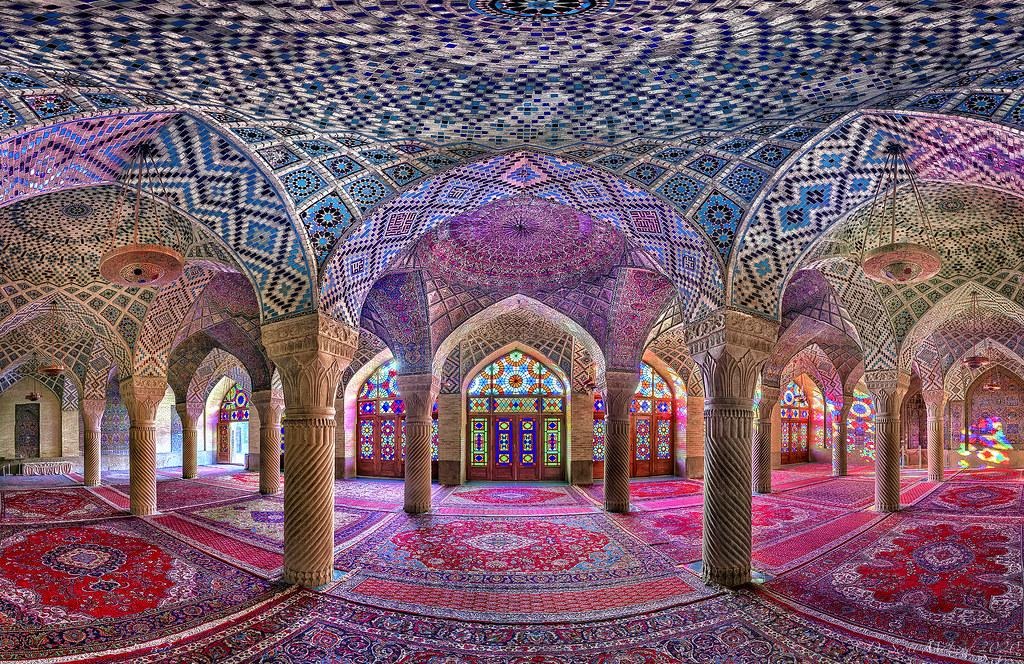
Nasir al-Mulk Mosque (Pink Mosque) — Shiraz’s most iconic and colorful landmark
Yazd — Desert Heritage & UNESCO Old Town
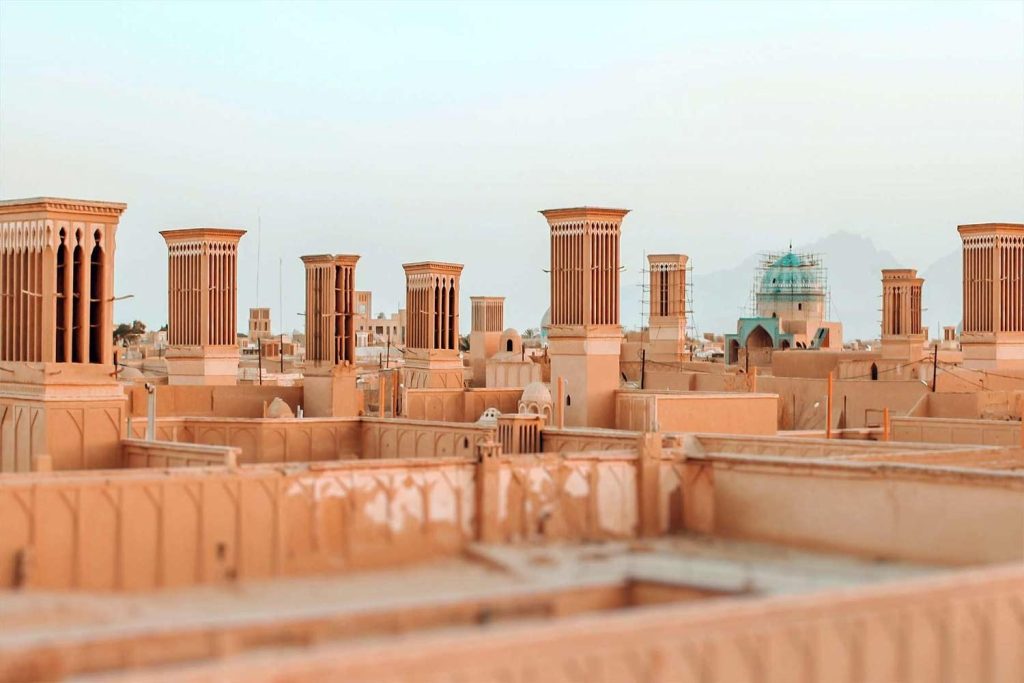
Traditional Badgir (Wind Catchers) — Yazd’s ingenious ancient air-conditioning system
Yazd is one of the oldest continuously inhabited cities on Earth, with a history stretching back over 7,000 years. Designated a UNESCO World Heritage City in 2017, Yazd is celebrated for its extraordinary earthen architecture, ancient Zoroastrian heritage, and the remarkable Badgir (wind catcher) towers that provided natural ventilation centuries before modern air conditioning.
Must-See Attractions in Yazd
-
- Old Town of Yazd — A labyrinthine UNESCO-listed city of mud-brick alleys, caravanserais, and ancient cisterns
-
- Jameh Mosque of Yazd — Features the tallest minarets in Iran and exquisite Timurid-era tilework
-
- Zoroastrian Fire Temple (Atash Behram) — Houses a sacred fire said to have burned continuously for 1,500 years
-
- Towers of Silence (Dakhma) — Ancient Zoroastrian sky burial sites perched on hilltops at the edge of the city
-
- Dolat Abad Garden — UNESCO Persian Garden with the world’s tallest wind catcher tower (33.8m)
-
- Yazd Water Museum — Explains the ancient qanat (underground aqueduct) system that made desert life possible
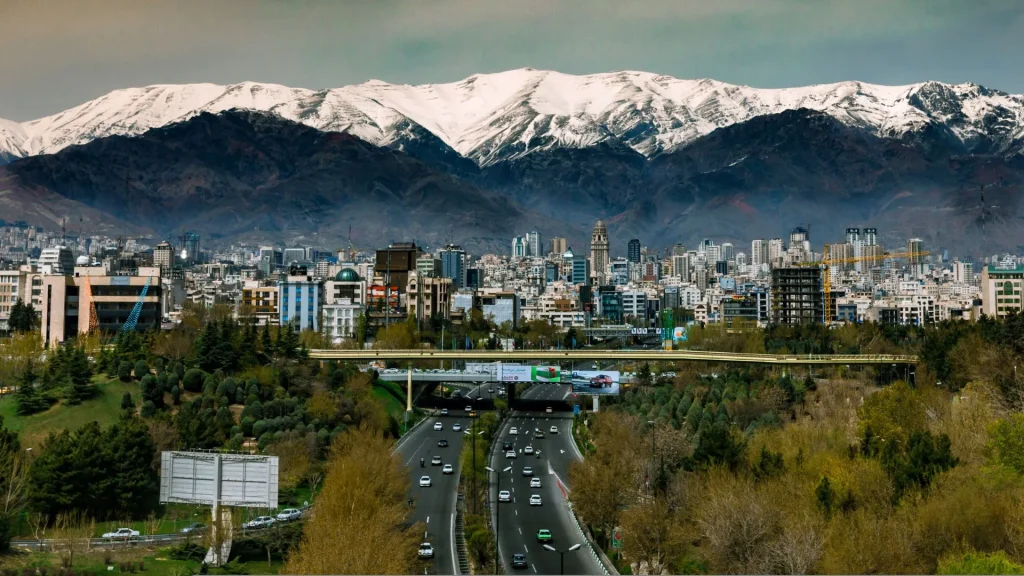
Tehran — Capital of Contrasts
Tehran skyline at night with the iconic Milad Tower (435m)
Tehran, Iran’s vast and dynamic capital, is a city of extraordinary contrasts where ancient palaces stand alongside glass skyscrapers, and traditional bazaars bustle next to contemporary art galleries. Home to over 15 million people, Tehran is both a cultural powerhouse and the modern beating heart of Iran.
Must-See Attractions in Tehran
-
- Golestan Palace — UNESCO World Heritage Site; the magnificent 19th-century royal Qajar palace complex in the heart of old Tehran
-
- National Museum of Iran (Iran Bastan) — Houses artifacts spanning 7,000 years of Persian civilization
-
- Milad Tower — At 435 meters, the 6th tallest tower in the world, with an observation deck and revolving restaurant
-
- Tehran Grand Bazaar — One of the world’s largest covered bazaars stretching over 10 km
-
- Saad Abad Palace Complex — A sprawling mountain resort palace with 18 museums and lush gardens
-
- Darband & Tochal — Mountain retreats offering skiing in winter and hiking trails in summer just north of the city
More Unmissable Destinations
| KashanThe “City of Roses and Carpets” is home to magnificent Qajar-era mansions (Tabatabaei, Borujerdi), the ancient Fin Garden, and Abyaneh, Iran’s picturesque red-clay village. Kashan is also the world capital of rosewater distillation. | TabrizNorthwestern Iran’s cultural capital, home to the UNESCO-listed Tabriz Historic Bazaar Complex, the largest covered bazaar in the world. The city also boasts the Blue Mosque, Constitution House, and El Goli Park. |
| MashhadIran’s spiritual capital and second-largest city hosts the Imam Reza Holy Shrine, the most visited pilgrimage site in the world after Mecca. The shrine complex welcomes over 25 million visitors annually. | Kerman & Lut DesertGateway to the Lut Desert (Dasht-e Lut), a UNESCO Natural Heritage Site and one of Earth’s hottest places. Also famous for the ancient Bam Citadel, Shahdad Kaluts, and Rayen Castle. |
Natural Wonders of Iran
Iran’s geography is remarkably diverse. Within a single country, you can experience the lush subtropical forests of the Caspian coast, the towering Alborz and Zagros mountain ranges, the dramatic salt flats of the Great Salt Desert, and the surreal dune seas of the Lut Desert.
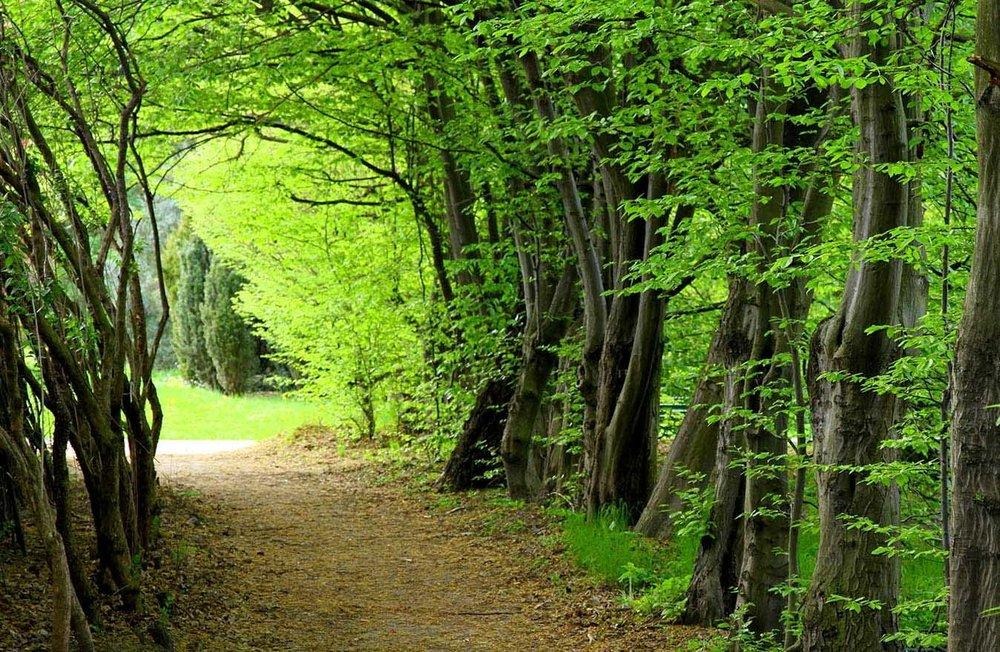
Hyrcanian Forests — UNESCO World Heritage Site; ancient primeval forests along the Caspian coast
Iran’s Natural UNESCO Heritage Sites
Hyrcanian Forests
Stretching along the southern shores of the Caspian Sea across the provinces of Gilan, Mazandaran, and Golestan, the Hyrcanian Forests are among the world’s most ancient and biodiverse temperate forests. Declared a UNESCO World Heritage Site, these forests have survived largely undisturbed for 25-50 million years and are home to the Persian leopard, brown bear, and hundreds of endemic species.
Lut Desert (Dasht-e Lut)
The Lut Desert in southeastern Iran holds the record for the highest land surface temperature ever recorded on Earth (70.7°C). Despite its extreme conditions, it is a place of extraordinary geological beauty featuring towering “kalut” yardang formations, vast salt plains, and shifting dunes. It received UNESCO Natural Heritage status in 2016.
Mount Damavand
At 5,610 meters, Mount Damavand is the highest peak in Iran and the highest volcano in Asia. Located in the Alborz mountain range, it is a symbol of Persian national identity and a popular destination for mountaineering. The volcano holds deep significance in Persian mythology as the prison of the evil king Zahhak.
Persian Gulf & Qeshm Island
Qeshm Island, Iran’s largest island, is a UNESCO Global Geopark featuring the remarkable Hara Mangrove Forest, the Valley of Stars (shaped by erosion over millions of years), and pristine beaches. The nearby Hormuz Island is famous for its colorful red-soil beaches and Rainbow Valley.
Iran: A Perfect Halal Travel Destination
Iran is naturally one of the world’s most accommodating destinations for Muslim travelers. As an Islamic Republic with a devout Shia Muslim majority, every aspect of daily life in Iran aligns with halal principles, making it a truly stress-free experience for travelers who prioritize religiously compliant travel.
| Food & Dining | 100% halal food across all restaurants, hotels, and food vendors. No pork and no alcohol served anywhere in the country. |
| Prayer Facilities | Mosques and prayer rooms are found throughout all cities, airports, shopping centers, and tourist sites. |
| Dress Code | Modest dress is observed nationwide; women wear hijab in public spaces. All international visitors are expected to follow the same dress code. |
| Ramadan | Iran is an excellent destination during Ramadan, with special Iftar spreads, late-night Quranic recitations, and a deeply spiritual atmosphere. |
| Alcohol-Free | Iran is a completely alcohol-free country, ideal for families and travelers who prefer alcohol-free environments. |
| Safe for Families | Iran is renowned for its exceptional safety record for tourists and its extraordinarily warm hospitality toward foreign visitors. |
Persian Cuisine
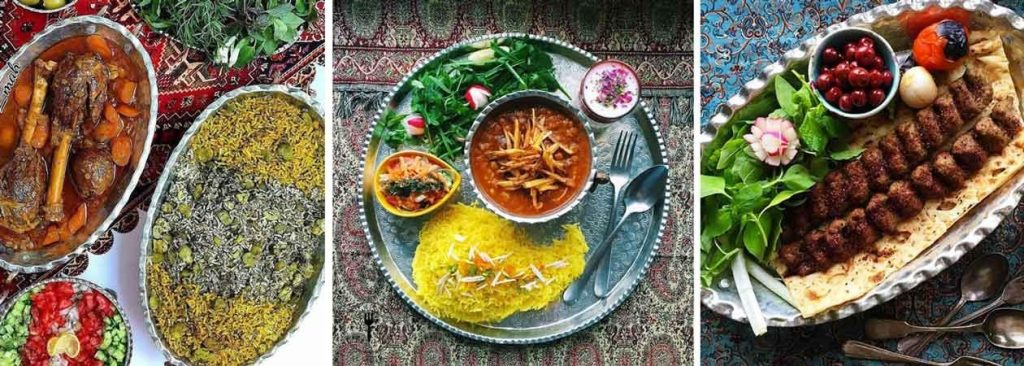
Traditional Persian cuisine — a rich tapestry of saffron, herbs, pomegranate, and slow-cooked stews
Persian cuisine is among the world’s most sophisticated culinary traditions, characterized by its delicate use of saffron, dried fruits, nuts, pomegranate, and aromatic herbs. Iranian cooking is fundamentally different from Arab or Turkish cuisine, with a distinctive balance of sweet and sour flavors and an emphasis on slow-cooked stews (khoresh) served over fragrant rice.
Iconic Persian Dishes to Try
| Chelo Kebab | Iran’s national dish, tender grilled minced or whole meat kebabs served over saffron-infused basmati rice with grilled tomatoes and butter. |
| Ghormeh Sabzi | Iran’s most beloved stew, made with slow-cooked herbs, kidney beans, dried limes, and lamb, a deeply fragrant and complex dish. |
| Fesenjan | A celebratory stew of ground walnuts and pomegranate molasses with chicken or duck, sweet, sour, and luxurious. |
| Ash Reshteh | A hearty noodle soup with legumes, spinach, and kashk (fermented whey), traditionally prepared for good luck. |
| Bastani Sonnati | Traditional Persian ice cream made with saffron, rose water, and pistachios, often served between wafers. |
| Doogh | Iran’s refreshing yogurt drink, lightly carbonated and flavored with mint and salt, the perfect accompaniment to any meal. |
Practical Travel Information
Best Time to Visit
Iran has a diverse climate, but the best times to visit are generally spring (March to May) and autumn (September to November). Spring is especially beautiful as the country blossoms with wildflowers, particularly in the Zagros mountains and along the Caspian coast. Iranian New Year (Nowruz, March 21) is a spectacular cultural celebration worth experiencing.
| Spring (Mar-May) | Ideal for all regions. Mild temperatures, wildflowers, Nowruz festivals. Highly recommended. |
| Summer (Jun-Aug) | Hot in most regions (up to 45°C in south). Best for northern forests and high-altitude areas. |
| Autumn (Sep-Nov) | Excellent conditions. Cooler temperatures, harvest season, and fewer crowds. |
| Winter (Dec-Feb) | Cold in the north and mountains. Great for skiing in Dizin/Shemshak. South and desert cities remain pleasant. |
Visa & Entry Requirements
Iran offers visa-on-arrival to nationals of many countries at major international airports (Tehran Imam Khomeini, Mashhad, Isfahan, Shiraz). Visitors from the UAE, most Arab countries, and many Asian and European nations qualify. It is recommended to arrange a visa through your travel agency for a smooth, pre-approved entry process.
| Visa on Arrival | Available at IKA (Tehran), MHD (Mashhad), IFN (Isfahan), SYZ (Shiraz). Validity: 30 days, extendable. |
| E-Visa | Available at evisa.mfa.ir — recommended to apply 2-4 weeks before travel for faster processing. |
| Note | US, UK, and Canadian passport holders currently require a pre-arranged guided tour. Always verify requirements with your nearest Iranian embassy before travel. |
Transportation Within Iran
Domestic Flights
Iran’s domestic aviation network is extensive, with Iran Air, Mahan Air, and IranAir Tour connecting all major cities. Flights between Tehran and Isfahan, Shiraz, Mashhad, and Tabriz are frequent and affordable, making it easy to cover large distances efficiently.
Train Travel
Iran’s railway network is excellent and among the best in the Middle East. The overnight train between Tehran and Isfahan or Tehran and Mashhad is a comfortable and scenic option. First-class sleeper compartments offer a uniquely Persian travel experience.
Road Transport
Intercity buses are comfortable, air-conditioned, and very affordable. A private car with driver/guide is the preferred option for independent travelers and provides maximum flexibility for visiting multiple sites in a single day.
Cultural Tips & Etiquette
-
- Dress code: Women must cover their hair and wear modest clothing (loose-fitting, long sleeves, and long trousers or skirt). Men should avoid shorts in public.
-
- Photography: Always ask permission before photographing people, particularly in religious sites and traditional communities.
-
- Ta’arof: The Persian art of politeness means Iranians will often decline payment or offers multiple times — this is a social ritual, not always literal.
-
- Greetings: Iranians are exceptionally warm and hospitable. A simple “Salam” (hello) and “Mamnoon” (thank you) in Persian is warmly appreciated.
-
- Mosques & Shrines: Remove shoes before entering. Women may need an additional chador (covering), which is usually available at the entrance.
-
- Friday: Many government offices, museums, and some businesses are closed on Fridays (the official weekend day in Iran).
-
- Currency: Credit cards are not accepted due to international sanctions. Carry sufficient cash in euros, US dollars, or UAE dirhams to exchange locally.
Suggested Travel Itineraries
Classic Iran — 7 Days
| Day 1-2 | Tehran — Golestan Palace, National Museum, Grand Bazaar, Milad Tower |
| Day 3 | Kashan — Fin Garden, Tabatabaei Historic House, Abyaneh Village |
| Day 4-5 | Isfahan — Naqsh-e Jahan Square, Imam Mosque, Sheikh Lotfollah Mosque, Si-o-se-pol Bridge |
| Day 6 | Yazd — Old Town, Wind Catchers, Zoroastrian Fire Temple, Dolat Abad Garden |
| Day 7 | Shiraz — Persepolis, Nasir al-Mulk Mosque, Hafez Tomb, Vakil Bazaar |
Extended Iran — 14 Days
The 14-day itinerary adds the magical destinations of Tabriz (UNESCO Bazaar), Mashhad (Imam Reza Shrine pilgrimage), Kerman with the Lut Desert kaluts, Qeshm Island with mangrove forests, and a northern Caspian road trip through the Hyrcanian forests and Gilan’s rice paddies, offering a complete picture of Iran’s extraordinary diversity.
Book Your Iran Journey with Blue Rose Travel
Blue Rose Travel & Tourism is your trusted partner for experiencing the wonders of Iran. Based in Dubai, we specialize in bespoke travel packages that combine cultural immersion, luxury accommodation, and expert local guides to deliver an unforgettable Persian experience.
| What We Offer• Custom private & group tours• Visa application assistance• Luxury & boutique hotel bookings• Domestic flight arrangements• Certified expert local guides• Cultural & heritage experiences• Halal-certified tour packages | Contact Us : Blue Rose Travel & Tourism LLC Dubai, United Arab Emirates Website: www.bluerose.travel Email: info@bluerose.travel Phone:+971 42550038 WhatsApp: +971 544406005 |