The Timeless Isles of Heritage and Royal Charm
Introduction to the United Kingdom
The United Kingdom, comprising England, Scotland, Wales, and Northern Ireland, stands as one of the world’s most captivating destinations, blending extraordinary historical depth spanning millennia with contemporary cultural dynamism, world-class attractions, and stunning natural landscapes. In 2026, Britain presents an exceptional year for tourism with major new cultural openings, milestone anniversaries, immersive experiences, and cutting-edge attractions alongside timeless historic landmarks.
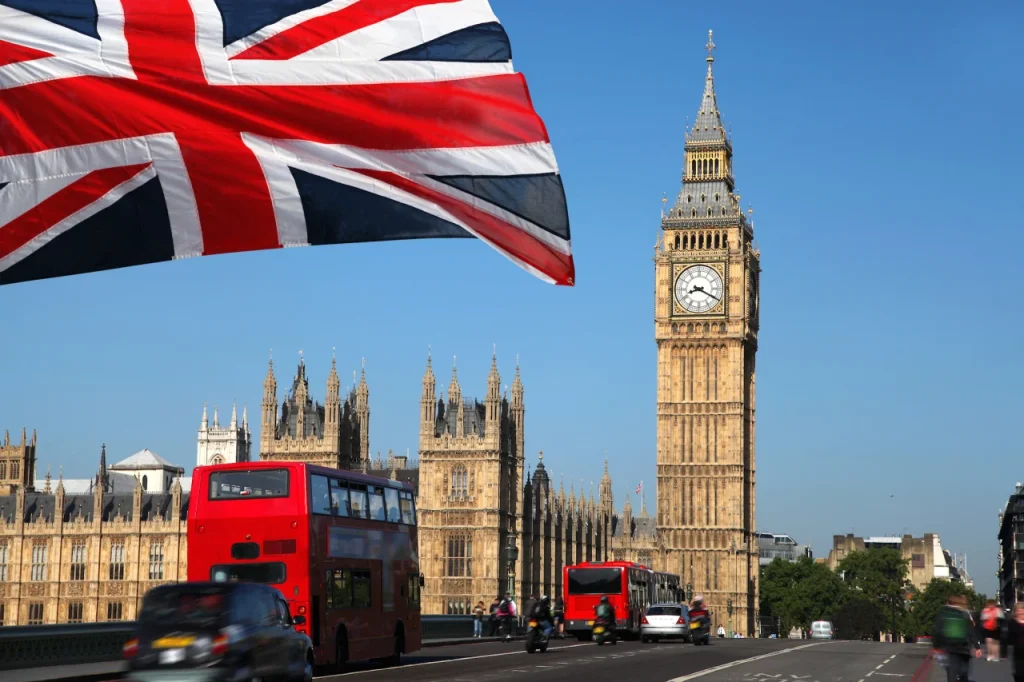
From London’s iconic skyline dominated by Big Ben and the London Eye to Edinburgh’s medieval castle and cobblestone streets, from the rugged beauty of the Scottish Highlands to the dramatic Welsh coastline, the UK offers extraordinary diversity within a compact, easily navigable geography. With over 30 UNESCO World Heritage Sites, world-leading museums (many free), royal palaces, ancient castles, vibrant cities, and picturesque countryside, Britain delivers authentic experiences combining tradition with innovation.
The UK’s cultural influence, from Shakespeare and The Beatles to Harry Potter and contemporary art extends globally, while its accessibility via excellent transport infrastructure, widespread English language, and digital border systems makes it increasingly welcoming for international visitors. In 2026, the country continues evolving its tourism offerings with immersive art installations, digital heritage experiences, new rail connections, and four-nation celebrations showcasing England, Scotland, Wales, and Northern Ireland’s distinct identities.
Tourism Highlights
- London: One of the world’s greatest capital cities featuring iconic landmarks (Big Ben, Tower of London, Buckingham Palace), world-class museums, royal heritage, vibrant neighborhoods, and multicultural dining creating unmatched urban experience
- UNESCO World Heritage Sites: Over 30 designated sites including Stonehenge, Tower of London, Edinburgh Old and New Towns, Palace of Westminster, Bath’s Roman architecture, Giant’s Causeway, and historic industrial landscapes representing Britain’s profound historical significance
- Scottish Highlands: Dramatic mountain landscapes, glacial lochs including Loch Ness, ancient castles, whisky distilleries, and outdoor adventures ranging from hiking to wildlife watching in one of Europe’s last wilderness areas
- Historic Cities: Edinburgh’s medieval charm, Bath’s Roman and Georgian elegance, Oxford and Cambridge’s academic grandeur, York’s Viking heritage, and Cardiff’s Welsh culture offer distinct urban experiences beyond London
- Royal Heritage: Active monarchy with working palaces (Buckingham Palace, Windsor Castle, Palace of Holyroodhouse), ceremonial traditions (Changing of the Guard), Crown Jewels, and centuries of royal history accessible to visitors
- Literary and Cultural Landmarks: Shakespeare’s Stratford-upon-Avon, Beatles’ Liverpool, Harry Potter filming locations, Jane Austen’s Bath, and countless sites inspiring Britain’s extraordinary literary and artistic legacy
- Natural Beauty: Lake District’s mountain scenery, Cotswolds’ rolling hills and stone villages, Cornwall’s dramatic coastline, Wales’ mountainous national parks, and Scottish islands’ wild beauty protected in 15 National Parks
- 2026 New Openings: Immersive Pixar exhibition London, Wake The Tiger expansion Bristol, The Storied Lands live-action theme park Durham, Dark Skies Observatory North York Moors, and restored historic attractions throughout Britain
Culture and Traditions
British culture represents centuries of evolution, blending Celtic, Roman, Anglo-Saxon, Viking, and Norman influences with global connections forged through empire, creating a rich, complex, and globally influential civilization expressed through literature, music, theater, art, monarchy, and enduring traditions.
- Monarchy and Pageantry: The United Kingdom maintains an active constitutional monarchy with King Charles III as sovereign. Royal ceremonies including Trooping the Colour, State Opening of Parliament, and Changing of the Guard at Buckingham Palace showcase centuries-old traditions. Royal residences, Buckingham Palace, Windsor Castle (oldest occupied castle), Balmoral,and Sandringham remain working palaces while opening to visitors. The monarchy serves as living connection to Britain’s historical continuity
- British Cuisine: British gastronomy has experienced remarkable renaissance while maintaining beloved traditions. Classic dishes include fish and chips, Sunday roast with Yorkshire pudding, full English breakfast, Cornish pasties, shepherd’s pie, and afternoon tea with scones, clotted cream, and finger sandwiches. Regional specialties: Scottish haggis and salmon, Welsh lamb and rarebit, Northern Irish Ulster fry. Contemporary Britain boasts world-class restaurants, diverse international cuisine, craft beer revival, and artisan food movements celebrating local producers
- Tea Culture: Afternoon tea remains quintessentially British tradition. Typically served 3:00-5:00 PM, proper afternoon tea includes finger sandwiches (cucumber, smoked salmon, egg mayonnaise), scones with clotted cream and jam, delicate pastries, and selection of teas. Cream tea (simpler version) offers scones, cream, and tea. Historic hotels and tea rooms throughout Britain serve traditional afternoon tea experiences
- Pub Culture: British pubs (public houses) serve as social cornerstones dating to Roman taverns. Traditional pubs offer ales, bitters, lagers, ciders, and spirits in atmospheric settings featuring wood paneling, fireplaces, and community atmosphere. Many serve “pub grub”, hearty meals including fish and chips, pies, and burgers. Pub etiquette: order at bar, pay immediately, tipping not expected but appreciated. Historic coaching inns and gastropubs elevate dining experiences
- Literary Heritage: Britain produced Shakespeare, Chaucer, Austen, Dickens, the Brontës, Wordsworth, Wilde, Woolf, Tolkien, Christie, Rowling, and countless literary giants. Stratford-upon-Avon celebrates Shakespeare, the Lake District inspired Romantic poets, Bath and Hampshire showcase Austen’s world, London’s Bloomsbury housed modernist writers, and Edinburgh’s streets witnessed Harry Potter’s creation. Literary tourism thrives throughout Britain
- Music Legacy: British music shaped global popular culture: The Beatles revolutionized rock, The Rolling Stones defined rebellion, Led Zeppelin pioneered hard rock, punk emerged in London, Britpop dominated the 1990s. Classical composers Purcell, Elgar, Vaughan Williams, and Britten created distinctly British classical tradition. Liverpool, Manchester, London, and Glasgow remain vital music cities with legendary venues
- Theater Tradition: London’s West End rivals Broadway as world theater capital, presenting musicals, dramas, and experimental works. Shakespeare’s Globe reconstructs original theater experience, National Theatre and Royal Shakespeare Company maintain excellence, while Edinburgh Festival Fringe hosts world’s largest arts festival. British theater tradition emphasizes classical training, innovative direction, and accessible pricing
- Sporting Culture: Britain invented or codified football (soccer), rugby, cricket, tennis, and golf. Wimbledon tennis championships, Premier League football, Six Nations rugby, The Open golf championship, and cricket test matches at Lord’s represent sporting heritage. Football remains national passion with fierce local loyalties and historic rivalries
- Festival Traditions: British calendar includes Guy Fawkes Night (November 5th) bonfire celebrations, Edinburgh’s Hogmanay New Year festivities, Notting Hill Carnival (August) celebrating Caribbean culture, cheese-rolling in Gloucestershire, Highland Games in Scotland, and countless music festivals including Glastonbury, Reading, and Isle of Wight
- Garden Culture: British passion for gardens reflects temperate climate and horticultural expertise. Royal Horticultural Society gardens (Kew, Wisley, Bridgewater), National Trust properties, and Chelsea Flower Show celebrate gardening tradition. Cottage gardens, formal landscapes, and urban allotments demonstrate national commitment to horticulture
City One: London – Global Capital
City Introduction:
London, the United Kingdom’s capital and largest city with a population of 9 million in the metropolitan area, ranks among the world’s most influential and visited cities, seamlessly blending 2,000 years of history with cutting-edge contemporary culture, finance, arts, and dining. Uniquely positioned along the River Thames, London comprises distinct neighborhoods from the historic City of London and Westminster’s royal palaces to trendy Shoreditch, multicultural Brixton, and elegant Kensington each offering distinct character within an integrated urban landscape.
London’s extraordinary depth encompasses Roman walls, Norman fortresses, Tudor palaces, Georgian squares, Victorian grandeur, wartime resilience, and contemporary architecture creating architectural and historical palimpsest visible at every turn. The city’s 32 boroughs span from the financial district’s glass towers to royal parks’ green expanses, from West End theaters to East End markets, from South Bank’s cultural complex to North London’s villages, making London endlessly explorable.
With world-class museums (many free), royal ceremonies, diverse culinary scenes representing global cuisines, efficient public transport, vibrant nightlife, and constant cultural innovation, London offers something for every interest and repeatedly rewards return visits. The city successfully balances its roles as royal capital, financial center, cultural powerhouse, and diverse global metropolis while maintaining distinct British character and charm increasingly rare in international cities.
Main Tourist Attractions
- Tower of London:
UNESCO World Heritage Site and one of the world’s most famous fortresses, established by William the Conqueror in 1066. This historic castle has served as royal palace, prison, execution site, armory, and treasury. Today visitors explore medieval towers, walk along battlements, view the Crown Jewels (including Imperial State Crown with 2,868 diamonds, St. Edward’s Crown, and royal scepters), and meet the resident Beefeaters (Yeoman Warders) and famous ravens whose presence allegedly protects the kingdom. The White Tower houses Royal Armouries collection, while exhibitions detail the fortress’s 1,000-year history including famous prisoners like Anne Boleyn - Tower Bridge:
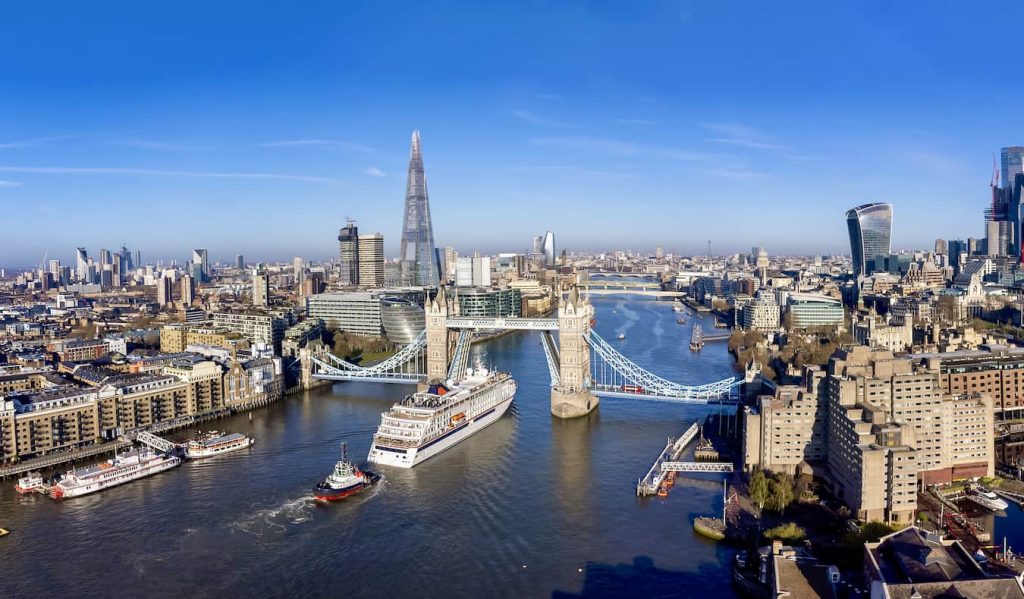
London’s most recognizable bridge, this Victorian Gothic masterpiece built 1886-1894 spans the Thames with distinctive twin towers and original bascule mechanism that still lifts to allow tall ships passage. Visitors access the high-level glass walkways offering spectacular river views, explore the Victorian engine rooms housing original steam-powered machinery, and learn about engineering marvel’s construction. Bridge lifts remain regular occurrence providing dramatic spectacle - Big Ben, Westminster Abbey, and the London Eye:
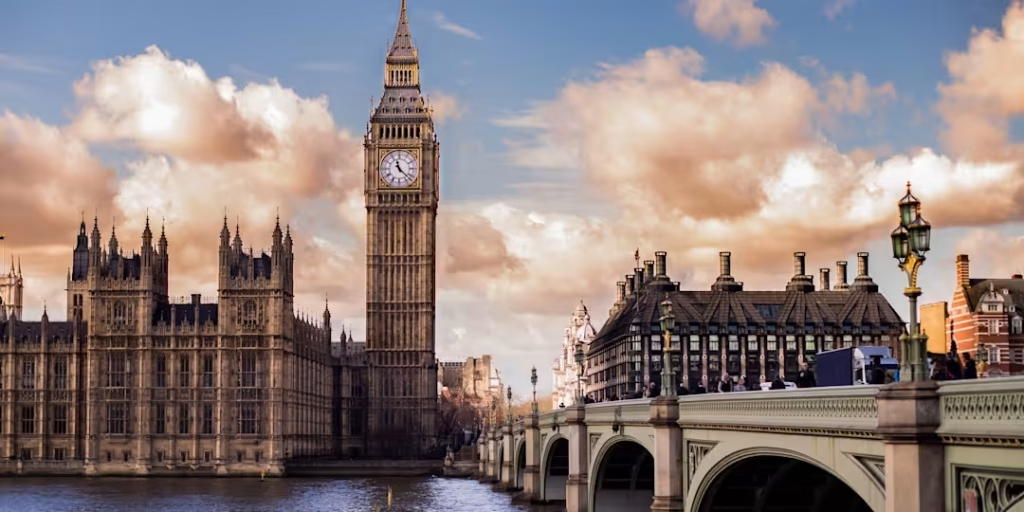
This cluster of iconic attractions forms London’s most photographed district. Big Ben (officially Elizabeth Tower) houses the Great Bell and famous clock face adjoining the Palace of Westminster (Houses of Parliament), a UNESCO World Heritage Site where Britain’s government convenes. Westminster Abbey, magnificent Gothic church, has hosted every coronation since 1066, plus royal weddings and funerals; tour reveals memorials to monarchs, poets, scientists, and statesmen. The London Eye, the giant Ferris wheel on the South Bank, offers 30-minute rotation providing 360-degree panoramas extending 40 kilometers on clear days. This concentration allows efficient half-day exploration - Buckingham Palace:
The official residence of the British monarch, Buckingham Palace represents working royal palace with 775 rooms. The State Rooms open to visitors during summer months (July-September) showcasing opulent interiors, priceless art collection (Rembrandts, Rubens, Canalettos), and ceremonial spaces where the King receives guests and hosts state banquets. The Changing of the Guard ceremony occurs at 11:00 AM (dates vary; check schedule), featuring Household Division troops in red tunics and bearskin hats accompanied by military band performing ceremonial guard exchange. The palace gardens, royal mews (stables with royal carriages), and the Queen’s Gallery (rotating art exhibitions) offer additional experiences - World-Class Museums:
London houses exceptional museums, most offering free admission:British Museum: One of the world’s greatest museums featuring 8 million objects spanning human history and culture including Rosetta Stone, Elgin Marbles, Egyptian mummies, Assyrian lion sculptures, and treasures from every civilization. The Great Court with its magnificent glass roof provides architectural marvel
Natural History Museum: Victorian Gothic cathedral to nature featuring dinosaur skeletons (including Dippy the Diplodocus), blue whale suspended in Hintze Hall, mineral collections, earthquake simulator, and Darwin Centre. Architecture rivals exhibits in grandeur
Victoria and Albert Museum: World’s leading decorative arts and design museum with 2.3 million objects including fashion, ceramics, furniture, jewelry, glass, textiles, and sculptures from 5,000 years of human creativity
Tate Modern: International modern and contemporary art in converted Bankside Power Station featuring Warhol, Rothko, Picasso, and cutting-edge installations. Free admission; special exhibitions ticketed
National Gallery: Trafalgar Square masterpiece collection spanning Western European painting 13th-20th centuries including works by da Vinci, Botticelli, Turner, Monet, and Van Gogh
- Camden Market:
Iconic North London market complex combining multiple markets (Camden Lock, Stables Market, Buck Street Market) offering eclectic shopping, street food from around the world, vintage clothing, crafts, jewelry, and counterculture atmosphere. Alternative music venues, canal-side setting, and vibrant weekend crowds create unique London experience. Over 1,000 shops and stalls attract 28 million visitors annually - London’s Royal Parks:
Eight Royal Parks provide 5,000 acres of green space within London:Hyde Park: London’s largest central park featuring Serpentine Lake, Speakers’ Corner (traditional free speech area), Diana Memorial Fountain, and open spaces for concerts and events
Regent’s Park: Elegant park with Queen Mary’s Gardens (12,000 roses), open-air theater, London Zoo, and boating lake
St. James’s Park: Royal park between Buckingham Palace and Whitehall featuring lake with pelicans, flower beds, and perfect palace views
Kensington Gardens: Adjacent to Hyde Park featuring Albert Memorial, Kensington Palace, Peter Pan statue, and Serpentine Galleries
Primrose Hill: North London park offering London’s best panoramic viewpoint from summit
- The Shard:
Western Europe’s tallest building at 310 meters (1,016 feet), this dramatic glass skyscraper designed by Renzo Piano pierces London’s skyline. The View from The Shard observation deck on floors 68-72 provides 360-degree panoramas extending 64 kilometers, particularly spectacular at sunset and evening when London illuminates. Bar and restaurant options available at height - Borough Market:
London’s oldest food market (documenting to 1014) located near London Bridge, offering gourmet produce, artisan foods, international specialties, fresh seafood, cheeses, baked goods, and street food. Open Thursday-Saturday with smaller Wednesday operation, the market attracts food enthusiasts seeking quality ingredients and authentic flavors. The Victorian architecture and atmospheric setting enhance the culinary experience - Harrods:
World-famous luxury department store in Knightsbridge, established 1849. The Edwardian building spanning 4.5 acres houses 330 departments selling fashion, jewelry, homeware, and gourmet food. The Food Halls with their ornate tiled interiors, Egyptian Escalator, and opulent displays make Harrods architectural and retail landmark even for non-shopping visitors. The store exemplifies London’s luxury retail heritage - St. Paul’s Cathedral:
Sir Christopher Wren’s Baroque masterpiece crowned by magnificent dome dominating London’s skyline since 1710. The cathedral hosted royal weddings (Prince Charles and Diana) and Churchill’s funeral while serving as active Church of England cathedral. Visitors explore ornate interior featuring mosaics, memorials, and intricate carvings; climb 528 steps to Golden Gallery atop the dome for spectacular city views; experience the Whispering Gallery’s remarkable acoustics; and visit the crypt containing Wellington’s and Nelson’s tombs - Covent Garden:
Historic district centered on former fruit and vegetable market, now entertainment and shopping quarter. The covered market building houses boutiques and craft stalls while the piazza attracts street performers, including musicians, magicians, and acrobats. Surrounding streets offer theaters (Royal Opera House), restaurants, pubs, and boutiques. The energetic atmosphere and central location make Covent Garden popular gathering place - Warner Bros. Studio Tour London – The Making of Harry Potter:
Located in Leavesden (20 miles from London), this studio tour offers behind-the-scenes access to authentic Harry Potter film sets, including Great Hall, Diagon Alley, Hogwarts Express, and Forbidden Forest. Visitors explore costumes, props, animatronics, and learn filmmaking techniques used to bring J.K. Rowling’s wizarding world to screen. Advance booking essential for this immensely popular attraction
Recommended Activities
- Thames River Cruise: Take sightseeing cruise from Westminster to Greenwich or Tower Bridge viewing landmarks from river perspective
- West End Theatre Show: Experience world-class theater at legendary West End venues presenting musicals, dramas, and comedies
- Traditional Afternoon Tea: Indulge in quintessentially British afternoon tea at historic hotels (The Ritz, Claridge’s, Savoy) or charming tea rooms
- Free Museum Days: Dedicate days to exploring world-class museums taking advantage of free admission policies
- Walking Tour: Join guided walking tour focusing on history, royal London, Jack the Ripper, street art, or food
- Notting Hill Exploration: Wander this charming West London neighborhood featuring colorful houses, antique shops on Portobello Road (Saturday market), and film location sites
- Sky Garden Visit: Experience free panoramic views from the Walkie-Talkie building’s landscaped public viewing deck (advance booking required)
- Greenwich Day Trip: Visit historic maritime district featuring Royal Observatory (Prime Meridian), Cutty Sark ship, National Maritime Museum, and markets
- Shoreditch Street Art: Explore East London’s creative quarter discovering world-class street art, vintage shops, craft breweries, and trendy restaurants
- London Underground Experience: Navigate the iconic Tube system connecting all attractions efficiently; consider oyster card for savings
- Borough Market Food Tour: Sample artisan foods, international cuisines, and British specialties at historic market
- Pub Lunch Experience: Enjoy traditional British pub lunch at historic establishment serving classic dishes and ales
- Kensington Palace Tour: Explore royal residence revealing Queen Victoria’s childhood, William and Mary’s court, and contemporary royal exhibitions
- Evening South Bank Walk: Stroll along Thames South Bank from Westminster to Tower Bridge enjoying street performers, restaurants, and illuminated landmarks
Practical Information
Access:
- London Heathrow Airport (LHR) – World’s busiest international airport, 24 km west of central London; Heathrow Express train 15 minutes to Paddington
- London Gatwick Airport (LGW) – Second major airport, 45 km south; Gatwick Express train 30 minutes to Victoria
- London Stansted Airport (STN) – 64 km northeast; Stansted Express train 47 minutes to Liverpool Street
- London Luton Airport (LTN) – 56 km north; train connections via Luton Airport Parkway
- London City Airport (LCY) – 11 km east in Docklands; convenient for City/Canary Wharf
- St Pancras International – Eurostar high-speed trains from Paris (2h 15m) and Brussels (2h)
Best Time to Visit:
- Spring (April-June) for mild weather, blooming parks, and major events
- Summer (July-August) warmest but crowded and expensive; longest daylight hours
- Autumn (September-November) for pleasant temperatures and cultural season openings
- Winter (December-February) festive atmosphere with Christmas markets and lights but cold and dark
- London viable year-round destination; indoor attractions excellent during wet weather
Accommodation:
- Extensive range from budget hostels to luxury five-star hotels
- Central areas: Westminster, Covent Garden, South Kensington, Bloomsbury
- Trendy neighborhoods: Shoreditch, Notting Hill, Camden
- Budget options: Kings Cross, Earl’s Court, Bayswater
- Book well in advance for best rates; London accommodation expensive compared to other UK cities
- Consider location relative to Tube stations for convenience
Local Tips:
- Oyster Card or contactless payment card essential for public transport; much cheaper than paper tickets
- London Underground (Tube) most efficient transport; avoid rush hours (7:30-9:30 AM, 5:00-7:00 PM)
- Walking often faster than transport for short distances; London very walkable
- Most major museums offer free admission; special exhibitions require tickets
- West End theater tickets available at discounted TKTS booth Leicester Square (day-of-performance)
- Tipping: 10-15% in restaurants if service not included; round up taxi fares; no tipping in pubs
- Weather unpredictable; carry umbrella or light raincoat year-round
- Tap water safe and high quality; free in restaurants upon request
- London very safe; normal urban awareness sufficient
- Many attractions require advance booking, especially in peak season (Tower of London, London Eye, Warner Bros. Studio)
- Sunday trading hours restricted in large stores (open later, close earlier)
- Download Transport for London (TfL) app for real-time transport information and journey planning
City Two: Edinburgh – Festival Capital
City Introduction:
Edinburgh, Scotland’s capital and second-largest city with a population of 540,000, captivates visitors with its dramatic setting, medieval Old Town, Georgian New Town, and extraordinary cultural vitality expressed through world-famous festivals. Perched on volcanic hills overlooking the Firth of Forth, Edinburgh’s UNESCO World Heritage-listed historic center features a skyline dominated by Edinburgh Castle on its volcanic plug, with the Royal Mile descending through centuries-old tenements to Holyrood Palace, creating what Sir Walter Scott called “mine own romantic town.”
The city’s unique topography, seven hills including Arthur’s Seat (extinct volcano), Calton Hill, and Castle Rock, provides constant drama through changing light, sudden vistas, and atmospheric closes (narrow alleys) revealing hidden courtyards. Edinburgh seamlessly combines its roles as seat of Scottish government, financial center, university city, and cultural powerhouse while maintaining intimate, walkable scale and distinct Scottish character evident in accent, traditions, architecture, and spirit.
Named UNESCO’s first City of Literature and hosting the world’s largest arts festival (Edinburgh Festival Fringe), Edinburgh pulses with creativity, history, and innovation. From medieval wynds and underground vaults to neoclassical New Town squares, from historic pubs to Michelin-starred restaurants, from royal ceremonies to contemporary arts scenes, Edinburgh rewards exploration with layers of history and culture in compact, atmospheric setting regularly rated among the world’s most beautiful cities.
Main Tourist Attractions
- Edinburgh Castle:
Scotland’s most iconic landmark crowning Castle Rock’s 130-meter volcanic crag, commanding dramatic views over Edinburgh. This historic fortress served as royal residence, military stronghold, and symbol of Scottish identity for over 900 years. Visitors explore the 12th-century St. Margaret’s Chapel (Edinburgh’s oldest building), Crown Room housing Scottish Crown Jewels and Stone of Destiny (used in coronations), Great Hall with magnificent hammer-beam ceiling, National War Museum, prison vaults, and Royal Palace apartments. The One O’Clock Gun fires daily (except Sundays) from Half Moon Battery, continuing tradition since 1861. The castle’s strategic position and historical significance make it Scotland’s most-visited paid attraction - Royal Mile:
Edinburgh’s most famous thoroughfare stretching 1.8 kilometers from Edinburgh Castle downhill to Palace of Holyroodhouse through the heart of the Old Town. This atmospheric medieval main street, actually comprising several streets (Castlehill, Lawnmarket, High Street, Canongate), lined with 16th-18th century tenement buildings housing shops, restaurants, whisky shops, museums, and closes (narrow alleys) leading to hidden courtyards. Key sites include St. Giles’ Cathedral, Real Mary King’s Close (preserved 17th-century underground street), John Knox House, and countless historic pubs. The Royal Mile epitomizes Old Edinburgh’s character and history - Arthur’s Seat:
Ancient volcano in Holyrood Park rising 251 meters above sea level, providing Edinburgh’s finest natural viewpoint and popular hiking destination right in city center. Multiple paths lead to rocky summit offering 360-degree panoramas encompassing city, Firth of Forth, surrounding hills, and distant mountains. The extinct volcano formed 350 million years ago creates dramatic landscape easily accessible via various routes (easy 1-hour walk to strenuous 30-minute climb). Sunset views particularly spectacular. The combination of wild landscape within walking distance of city center makes Arthur’s Seat unique urban feature - Palace of Holyroodhouse:
Official Scottish residence of the British monarch at the Royal Mile’s eastern end, opposite Edinburgh Castle. This working royal palace, originally Holyrood Abbey founded 1128, received many royal residents including Mary, Queen of Scots, whose chambers visitors explore including site where her secretary David Rizzio was murdered 1566. The palace State Apartments display magnificent interiors, portraits, tapestries, and furniture, while the ruined 12th-century abbey provides romantic Gothic backdrop. The palace gardens span 10 acres. Holyroodhouse offers glimpse of royal lifestyle and Scottish royal history - National Museum of Scotland:
Scotland’s premier museum combining collections of Scottish history, archaeology, natural history, science, technology, and world cultures in striking Victorian and modern architecture on Chambers Street. The Scottish galleries trace Scotland’s story from geological formation through ancient peoples, medieval kingdoms, Jacobite rebellions, industrial revolution, to modern nation. The Grand Gallery features natural history specimens, while the museum roof terrace provides excellent city views. Comprehensive, well-curated exhibitions and free admission make this essential Edinburgh experience - Calton Hill:
Eastern hill topped by collection of monuments earning Edinburgh its “Athens of the North” nickname. The summit, reached via short climb from Princes Street, features National Monument (unfinished Parthenon replica), Nelson Monument (tower commemorating Trafalgar), Dugald Stewart Monument, Old Observatory, and St. Andrew’s House. Calton Hill provides outstanding Edinburgh panoramas, particularly at sunset, while the neoclassical monuments create photogenic setting symbolizing Edinburgh’s Enlightenment heritage - Edinburgh New Town:
UNESCO World Heritage Site, this Georgian planned suburb created 1765-1850 north of Old Town represents one of Europe’s finest examples of urban planning and neoclassical architecture. Wide streets, elegant squares (Charlotte Square, St. Andrew Square), and symmetrical terraced houses designed by renowned architects created rational counterpart to medieval Old Town’s chaos. Princes Street shopping thoroughfare, The Georgian House museum, and Assembly Rooms showcase period elegance. The New Town’s gracious proportions and harmonious architecture reward wandering - Royal Botanic Garden Edinburgh:
Established 1670, this 70-acre garden ranks among world’s finest botanical collections featuring 13,302 plant species in beautiful landscaped grounds. Highlights include Victorian glasshouses (tropical rainforest, alpine plants, orchids), Rock Garden (Britain’s largest), Chinese Hillside, woodland trails, and arboretum. The garden provides peaceful escape from urban bustle while offering impressive views of Edinburgh skyline. Free admission (glasshouses ticketed) - Scottish National Gallery:
Premier art museum on The Mound housing exceptional collection of European painting and sculpture from Renaissance to Post-Impressionism including works by Botticelli, Raphael, Titian, El Greco, Vermeer, Rembrandt, Turner, Monet, and Van Gogh. The Scottish collection features Ramsay, Raeburn, and Wilkie. Neoclassical building and free admission make this accessible cultural treasure - Real Mary King’s Close:
Underground tour through preserved 17th-century street and houses buried beneath Royal Exchange/City Chambers when built 1753. Costumed guides lead visitors through authentic tenement rooms, narrow closes, and spaces where Edinburgh residents lived during plague years. The atmospheric subterranean experience reveals daily life, poverty, disease, and survival in medieval Edinburgh. Advance booking recommended for this popular attraction
Recommended Activities
- Edinburgh Festival Fringe (August): Experience world’s largest arts festival with thousands of shows across comedy, theater, music, and more (if visiting August)
- Arthur’s Seat Sunrise Hike: Climb ancient volcano for dawn views over Edinburgh and Firth of Forth
- Whisky Tasting: Sample Scotland’s national drink at Scotch Whisky Experience or traditional pubs; learn distillation process
- Ghost Tour: Join evening tour of haunted vaults, graveyards, and closes exploring Edinburgh’s dark history
- Portobello Beach Visit: Take bus to Edinburgh’s seaside suburb featuring sandy beach, Victorian promenade, and cafés
- Dynamic Earth: Interactive science center exploring Earth’s history, climate, and natural phenomena through immersive experiences
- Royal Yacht Britannia: Tour decommissioned royal yacht at Leith port revealing five decades of royal maritime history
- Edinburgh Literary Pub Tour: Combine literary history with pub crawl exploring connections between Scotland’s writers and drinking establishments
- Grassmarket Exploration: Historic square beneath castle featuring pubs, restaurants, shops, and street entertainment
- Scottish Traditional Music Session: Attend live traditional music session at pubs like Sandy Bell’s or Royal Oak
- Outlook Tower & Camera Obscura: Experience Victorian optical marvel and illusion attractions at Royal Mile summit
- Dean Village Walk: Stroll to picturesque former milling village along Water of Leith walkway
- National Gallery of Modern Art: Visit split-site modern art collection in parkland setting (free admission)
- Scottish Breakfast/Meal: Try full Scottish breakfast with haggis, tattie scones; sample cullen skink (smoked fish soup) or cock-a-leekie soup
Practical Information
Access:
- Edinburgh Airport (EDI) – 13 km west of city center; tram to city center 35 minutes (runs every 8-10 minutes)
- Excellent train connections to London (4.5 hours), Glasgow (50 minutes), other UK cities
- Bus services throughout Scotland and UK
- City center compact and highly walkable; most attractions within walking distance
- Edinburgh Waverley railway station central location
Best Time to Visit:
- August for Edinburgh Festivals (Fringe, International Festival, Military Tattoo) – vibrant but crowded and expensive
- Spring (April-June) for mild weather, blooming gardens, fewer crowds
- Autumn (September-October) for pleasant temperatures, fall colors
- December-January for Hogmanay New Year celebrations and festive atmosphere
- Winter cold but atmospheric; shorter days
- Edinburgh viable year-round; bring layers and rain jacket regardless of season
Visit Duration:
- Minimum 2-3 days for main attractions
- 4-5 days ideal for thorough exploration plus day trip
- Week allows relaxed pace plus surrounding region exploration
Accommodation:
- Wide range from budget hostels to luxury hotels
- Old Town convenient but noisy in August; New Town more upscale and quieter
- Leith waterfront area emerging neighborhood with character
- Grassmarket area central but lively (busy pubs)
- Book months in advance for August festivals; prices triple during festival period
Local Tips:
- Edinburgh extremely hilly; wear comfortable walking shoes
- Weather changeable; carry layers and waterproof regardless of forecast
- Most major museums free admission (castle and palace ticketed)
- Buy attraction tickets online in advance for skip-the-line access
- August accommodation scarce and expensive; book early
- Haggis worth trying at least once; not as intimidating as reputation suggests
- Scottish accent may challenge understanding initially; people friendly and helpful
- Sunday pub hours restricted; verify opening times
- Tipping similar to rest of UK: 10-15% in restaurants, round up taxis
- Edinburgh very safe city; normal precautions sufficient
- Download Lothian Buses app for public transport (buses primary transport; no metro)
- Free walking tours depart daily from Royal Mile; tip-based
- Many attractions close Mondays or have reduced winter hours
City Three: The Scottish Highlands – Wilderness & Heritage
Region Introduction:
The Scottish Highlands, occupying northern Scotland above the geological Highland Boundary Fault, encompass some of Europe’s last true wilderness areas featuring dramatic mountain ranges, pristine freshwater lochs, ancient forests, remote glens, and wild coastlines. This sparsely populated region (fewer than 9 people per square kilometer) preserves Gaelic culture, clan heritage, whisky distillation traditions, and landscapes that inspired legends, literature, and centuries of travelers seeking sublime natural beauty.
From the Great Glen slashing diagonally across the region (containing Loch Ness, Fort William, and Britain’s highest mountain Ben Nevis) to the Far North’s dramatic coastlines and the magical Isle of Skye, the Highlands offer outdoor adventures, historic battlefields, atmospheric castles, and cultural experiences distinct from urban Britain. The region’s combination of accessible beauty (reached via scenic rail journeys and well-maintained roads) with genuine remoteness creates unique destination for nature lovers, historians, and those seeking respite from modern life.
The Highlands’ beauty changes dramatically with seasons and weather (often changing hour-to-hour), creating ever-shifting landscapes of mist-shrouded mountains, sudden rainbows, dramatic cloud formations, and magical light. Activities range from munro-bagging (climbing Scotland’s 282 mountains over 3,000 feet) to gentle loch-side walks, from whisky distillery tours to wildlife watching (red deer, golden eagles, otters, possibly dolphins), from exploring clan history to experiencing traditional ceilidh dancing and Gaelic music.
Main Attractions and Activities
- Isle of Skye:
Scotland’s most spectacular island, accessible via Skye Bridge from Kyle of Lochalsh, features dramatic landscapes including the jagged Cuillin Mountains, the iconic Old Man of Storr rock pinnacle, fairy-tale Fairy Pools with crystal waters, Quiraing’s otherworldly rock formations, and Neist Point lighthouse cliff. Portree, the colorful harbor capital, provides base for exploration. Skye combines geological wonders, Highland culture, excellent hiking, and atmospheric beauty earning designation as one of world’s most beautiful islands. Dunvegan Castle, seat of Clan MacLeod for 800 years, offers historical dimension - Loch Ness:
Scotland’s second-largest loch (23 miles long, 755 feet deep) famous for legendary Loch Ness Monster “Nessie” sightings since 565 AD. The loch’s dramatic setting in Great Glen surrounded by hills, ruined Urquhart Castle on its shores, and boat cruises seeking elusive monster combine natural beauty with folklore. The village of Fort Augustus at southern end and Inverness at northern provide access points. Loch Ness forms part of Caledonian Canal connecting east and west coasts - Fort William and Ben Nevis:
Fort William, outdoor activity capital beneath Britain’s highest peak Ben Nevis (1,345 meters/4,413 feet), serves as base for hiking, climbing, and exploring. Ben Nevis attracts 150,000 climbers annually via mountain path (6-8 hour round trip; no technical climbing required but strenuous and weather-dependent). The town provides access to Glen Coe, West Highland Railway, Nevis Range ski area, and Glen Nevis valley. Fort William combines mountain adventure with Highland culture and history - Glenfinnan Viaduct:
Iconic railway bridge made famous by Harry Potter films, this 21-arch Victorian viaduct spanning Glenfinnan valley carries the West Highland Railway Line between Fort William and Mallaig. The Jacobite Steam Train crosses the viaduct twice daily during summer, recreating Hogwarts Express journey. The Glenfinnan Monument and Visitor Centre nearby commemorate the 1745 Jacobite Rising when Bonnie Prince Charlie raised his standard. The combination of engineering marvel, cinematic fame, and Highland scenery makes Glenfinnan essential Highland destination - Inverness – Highland Capital:
The Highland’s largest settlement and gateway city, Inverness sits at mouth of River Ness where Great Glen meets Moray Firth. Victorian Market, Inverness Castle viewpoint, riverside walks, and St. Andrew’s Cathedral provide urban Highland experience. Inverness serves as base for exploring nearby attractions: Culloden Battlefield (last battle on British soil, 1746), Cawdor Castle (Macbeth associations), Clava Cairns (Bronze Age burial chambers), and dolphin-watching cruises in Moray Firth. The city combines convenient amenities with Highland character - Cairngorms National Park:
Britain’s largest national park featuring sub-arctic plateau, ancient Caledonian pine forests, mountain ranges, lochs, rivers, and exceptional wildlife including red squirrels, pine martens, ospreys, and reintroduced red kites. Activities include hiking, skiing at Cairngorm Mountain, mountain biking, wildlife watching, and visiting historic estates like Balmoral (Royal Family’s Scottish residence). The park spans 1,748 square miles of protected Highland landscape - Glen Coe:
Arguably Scotland’s most dramatic glen, Glen Coe’s steep mountains plunging into narrow valley create atmosphere of sublime grandeur and melancholy enhanced by its tragic history, the 1692 Massacre of Glencoe when Campbell soldiers murdered MacDonald clan members. The A82 road traverses the glen providing accessible scenic drive with numerous lay-bys for photography and short walks. Serious hikers tackle peaks including Buachaille Etive Mor. Glen Coe represents Highland landscape at its most powerful - West Highland Railway:
Regularly voted one of world’s most scenic train journeys, this rail line from Glasgow to Mallaig via Fort William crosses Glenfinnan Viaduct, passes Loch Eil and Loch Eilt, traverses remote moorlands, and reaches Mallaig fishing port with ferry connections to Isle of Skye and Small Isles. The journey showcases Highland landscapes otherwise difficult to access, particularly the dramatic coastal section between Fort William and Mallaig - Whisky Trail:
The Highlands host numerous whisky distilleries offering tours and tastings revealing Scotland’s national drink production. Speyside region northeast of Inverness concentrates over 50 distilleries including famous names Glenfiddich, Glenlivet, and Macallan. Island malts (Skye’s Talisker, Islay’s heavily peated drams) offer distinct characters. Distillery visits combine industrial heritage, landscape appreciation, and opportunity to sample single malts in their homeland - North Coast 500:
Scotland’s equivalent to Route 66, this 516-mile scenic route circumnavigates the Highlands starting and ending in Inverness, passing dramatic north coast cliffs, remote beaches, mountains, lochs, and villages. The route showcases the Highlands’ diversity and remoteness, requiring 5-7 days for full appreciation. Highlights include Applecross Pass, Smoo Cave, Dunnet Head (Britain’s most northerly mainland point), and countless viewpoints
Recommended Highland Activities
- Munro Bagging: Climb one of Scotland’s 282 Munros (mountains over 3,000 feet); Ben Nevis most famous but many more accessible
- Loch Ness Cruise: Take boat tour seeking Nessie while enjoying loch and mountain scenery
- Whisky Distillery Tour: Visit distillery to learn single malt production and sample Highland spirits
- Jacobite Steam Train: Ride “Harry Potter train” across Glenfinnan Viaduct between Fort William and Mallaig
- Wildlife Watching: Seek red deer, golden eagles, otters, seals, possibly dolphins or whales
- Castle Exploration: Visit atmospheric Highland castles including Urquhart, Eilean Donan, Dunvegan, Cawdor
- Hiking and Hillwalking: Explore trails from gentle riverside walks to challenging mountain climbs
- Culloden Battlefield: Walk the haunting site where Bonnie Prince Charlie’s Jacobite army met defeat 1746
- Traditional Music Session: Experience Gaelic music and ceilidh dancing at local pub or community center
- Highland Games: Attend summer Highland Games featuring caber tossing, hammer throwing, Highland dancing, and bagpipes
- Scenic Drives: Navigate dramatic single-track roads through glens and mountain passes
- Seafood Dining: Sample fresh Highland seafood, smoked salmon, langoustines, and local game
Practical Highland Information
Access:
- Inverness Airport (INV) – Regional flights from London, Manchester, Edinburgh; gateway to Highlands
- Train from Edinburgh/Glasgow to Inverness (3.5 hours), Fort William (4-5 hours)
- Scottish Citylink buses connect major Highland destinations
- Car rental highly recommended for flexibility; permits access to remote areas
- Driving: Left-side traffic, narrow single-track roads common (passing places), weather-dependent conditions
Best Time to Visit:
- Summer (June-August) offers longest daylight (18+ hours), warmest weather, all facilities open; peak season
- May-September best for hiking and outdoor activities
- September-October autumn colors spectacular, fewer midges
- Winter (November-March) dramatic but short days, snow possible, many attractions closed
- Spring (April-May) unpredictable but beautiful when sunny
- Midges (tiny biting insects) problematic July-August near water; bring repellent
Visit Duration:
- Minimum 3-4 days for highlights (Isle of Skye, Loch Ness, Glen Coe)
- Week ideal for comprehensive Highland exploration without rushing
- North Coast 500 circuit requires 5-7 days minimum
Accommodation:
- Range from B&Bs and guesthouses to country hotels and lodges
- Towns: Inverness, Fort William, Portree (Skye) offer most options
- Remote areas limited; book ahead, especially summer
- Wild camping permitted (Scottish Access Laws) with responsible practices
- Bothies (basic shelters) available for walkers in remote areas
Highland Tips:
- Weather extremely changeable; prepare for four seasons in one day
- Layers, waterproofs, and good walking boots essential for any outdoor activity
- Mobile phone coverage patchy or absent in remote areas
- Petrol stations scarce; fill up in towns
- Midges torment outdoor enthusiasts July-August; cover up, use repellent, avoid dawn/dusk
- Scottish Right to Roam laws permit walking across most land responsibly
- Mountain weather dangerous; check forecasts, tell someone your plans, turn back if conditions deteriorate
- Shops and restaurants limited in remote areas; carry snacks and water
- Respect Highland culture and environment; leave no trace
- Gaelic place names common; pronunciation challenging for visitors
- Summer daylight extends late (10 PM sunset), winter very short days (4 PM darkness)
- Tipping customs same as rest of UK; 10-15% restaurants, round up taxis
Important Travel Tips for United Kingdom
Safety and Security
- UK very safe for tourism with low violent crime rates across all regions
- Cities generally safe; normal urban precautions appropriate (secure valuables, awareness in crowds)
- Petty theft possible in crowded tourist areas, public transport; use hotel safes
- Terrorism awareness: UK maintains elevated alert level; observe security at major attractions
- Emergency services: 999 or 112 (police, ambulance, fire)
- Political situation stable; no significant concerns for tourists
- Driving: opposite side from UAE (left-side traffic); extra caution required for UAE drivers
- Weather-related safety: hypothermia risk in mountains even summer; respect coastal cliffs and tides
Health
- No mandatory vaccinations for UAE travelers
- Tap water safe and high quality throughout UK
- NHS (National Health Service) provides emergency treatment; travel insurance strongly recommended
- Pharmacies (chemists) widely available; many medications requiring prescriptions elsewhere available over-counter
- Healthcare quality excellent; costs high for non-residents without insurance
- Emergency medical treatment free at point of delivery for visitors
- Private medical care available; expensive without insurance
- Midges in Scottish Highlands (July-August) irritating but not disease carriers
- Tick awareness when hiking; Lyme disease present but rare
Currency and Money
- Official currency: Pound Sterling (GBP/£), subdivided into 100 pence
- Exchange rate: approximately 1 GBP = 4.8 AED (fluctuates)
- Scotland issues own banknotes; legal throughout UK but occasionally questioned in England
- ATMs (cash machines) widely available; generally best exchange rates
- Credit/debit cards universally accepted; contactless payment standard in cities
- Apple Pay, Google Pay widely accepted
- Cash increasingly less common; many establishments card-only
- Tipping: 10-15% restaurants if service not included; round up taxis; no tipping in pubs at bar
- UK relatively expensive destination; London significantly pricier than other regions
- VAT (Value Added Tax) 20% included in displayed prices
- Currency exchange offices in cities; avoid airport exchanges (poor rates)
Communications
- Mobile coverage excellent in cities and towns; limited in remote Scottish Highlands, Welsh mountains
- International visitors: roaming charges apply for non-UK SIM cards (check with provider)
- UK SIM cards available for purchase (EE, Vodafone, O2, Three); inexpensive data plans
- WiFi widely available in accommodations, restaurants, cafés, and public spaces
- Free WiFi in many public areas, museums, libraries
- English official language; regional accents vary (Scottish, Welsh, various English accents)
- Welsh language co-official in Wales; road signs bilingual
- Scottish Gaelic spoken in parts of Scottish Highlands; rare but culturally significant
Transportation
- Extensive public transport network: trains connect major cities efficiently
- National Rail network: advance booking significantly cheaper than walk-up fares
- London Underground (Tube) most efficient London transport; oyster card or contactless essential
- Buses connect all areas; cheaper than trains but slower
- Coach services (National Express, Megabus) budget intercity option
- Car rental useful for rural areas, Scotland, Wales; less beneficial in London (expensive parking, congestion charge)
- Driving: Left-side traffic, roundabouts common, narrow country roads, motorways (highways) well-maintained
- BritRail passes available for tourists; cost-effective for extensive train travel
- Domestic flights connect London with Edinburgh, Glasgow, Manchester, Belfast (quicker than trains for long distances)
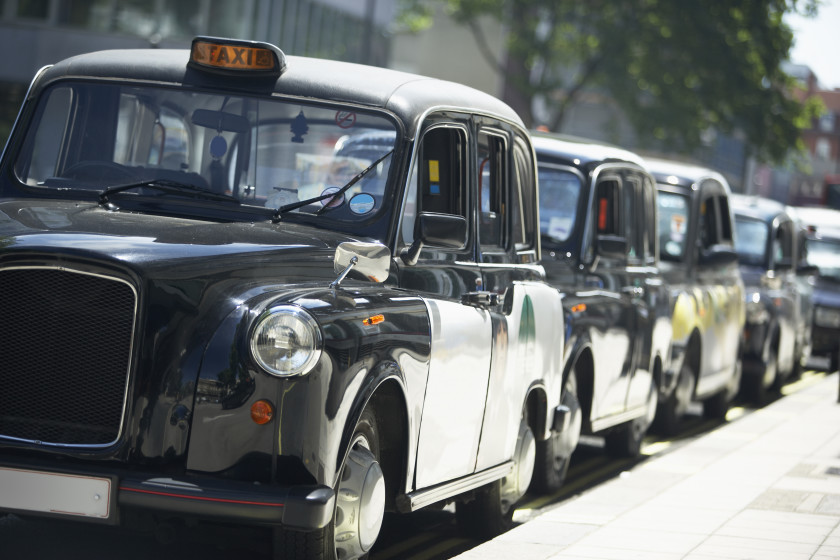
- Taxis regulated (black cabs London); ride-sharing (Uber) available major cities
- Cycling infrastructure developing; bike rentals available in cities
Cultural Etiquette
- British generally polite, reserved with strangers; queue culture very important (never cut in line)
- “Please,” “thank you,” “sorry” used frequently; politeness highly valued
- Punctuality expected for appointments; slightly more relaxed for social occasions
- Small talk about weather common ice-breaker
- Personal space respected; avoid standing too close
- Direct eye contact during conversation appropriate
- Handshake standard greeting in formal situations
- Pub etiquette: order at bar, pay immediately, no table service in traditional pubs
- Round-buying culture: if someone buys you drink, expected to reciprocate
- Keep voice moderate volume; loud talking considered rude
- Smoking banned in enclosed public spaces, restaurants, pubs
- Respect queues at attractions, transport, shops
- Afternoon tea etiquette: milk after tea, scones split horizontally (jam then cream, or cream then jam – regional debate)
Practical Considerations
- UK uses 230V electricity with Type G outlets (three rectangular pins)
- Time zone: Greenwich Mean Time (GMT), GMT+0; British Summer Time (BST), GMT+1 (March-October)
- Weather: Maritime temperate climate; mild but changeable, rain possible any season
- Temperature: Summer 15-25°C, winter 0-8°C; rarely extreme but wind and rain common
- Layers essential year-round; waterproof jacket recommended
- Umbrella useful but strong winds may make ineffective
- Daylight hours: Summer very long (17+ hours Scotland), winter short (7-8 hours)
- Museums: many major museums free admission (Natural History, British Museum, National Gallery); special exhibitions ticketed
- Attraction tickets: advance online booking often required or advisable for popular sites
- Shop hours: typically 9:00-17:30 weekdays, reduced Sundays; supermarkets longer hours
- Sunday trading restrictions: large stores limited to 6 hours opening (usually 10:00-16:00 or 11:00-17:00)
- Bank holidays (public holidays): attractions crowded, transport busy; verify opening hours
- Tourist information centers in most towns provide maps, brochures, booking assistance
- Visit Britain official tourism website: visitbritain.com
British Cuisine Notes
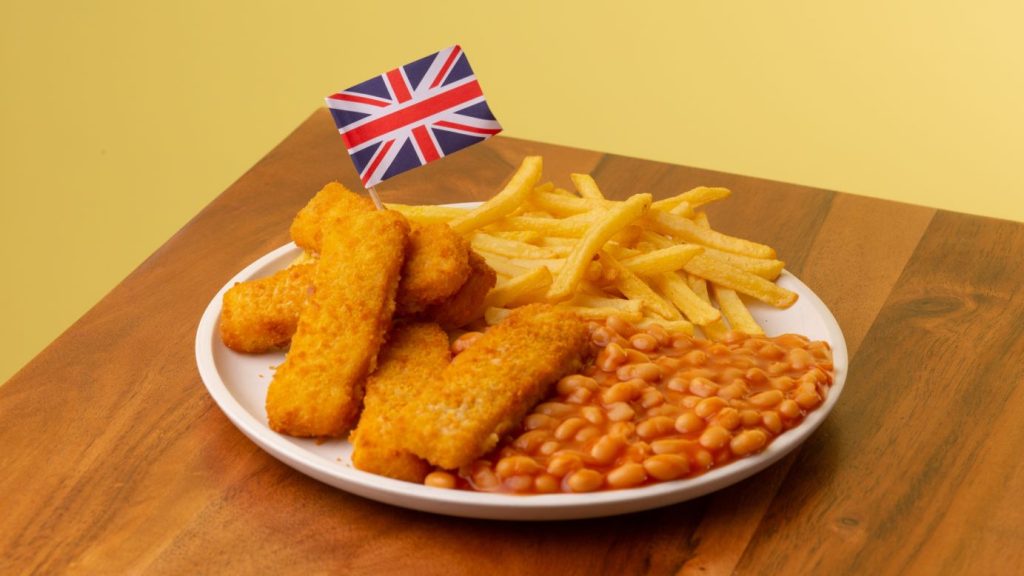
- Traditional dishes: fish and chips, Sunday roast with Yorkshire pudding, full English breakfast, shepherd’s/cottage pie
- Regional specialties: Cornish pasties, Scotch eggs, Welsh rarebit, haggis (Scotland), Cumberland sausage
- Afternoon tea tradition: sandwiches, scones with cream and jam, cakes, variety of teas
- Pub food: gastropubs elevate traditional dishes; classic pub grub includes pies, fish and chips, ploughman’s lunch
- Modern British cuisine: Michelin-starred restaurants showcase local ingredients with contemporary techniques
- International cuisine: UK cities, especially London, offer world-class dining from every global cuisine
- Breakfast: full English (bacon, eggs, sausages, beans, toast, mushrooms, tomatoes); porridge; kippers
- Desserts: sticky toffee pudding, Eton mess, trifle, spotted dick, bread and butter pudding
- Cheese: extensive British cheese tradition including Cheddar, Stilton, Wensleydale, Red Leicester
- Beverages: tea (national drink, consumed throughout day), real ale and craft beer, gin, whisky (especially Scotland)
- Dietary accommodations: vegetarian options widely available; vegan increasingly common; allergies taken seriously
- Restaurant tipping: 10-15% if service charge not included
- Meal times: lunch 12:00-14:00, dinner 18:00-21:00 (earlier than continental Europe)
Why travel to UK ?
The United Kingdom in 2026 stands as one of the world’s most compelling destinations, offering extraordinary combination of historical depth spanning Roman occupation to contemporary culture, iconic landmarks recognized globally, world-class museums and galleries, dramatic natural landscapes, and distinct regional identities within compact, accessible geography. From London’s unmatched urban richness to Edinburgh’s festival energy, from the Scottish Highlands’ wild beauty to countless historic towns, castles, and countryside attractions, Britain delivers authentic experiences combining tradition with innovation.
The UK’s remarkable layering rewards curious travelers with Roman ruins, medieval castles, Tudor palaces, Georgian elegance, Victorian grandeur, wartime heritage, and contemporary cultural dynamism creating historical narrative visible at every turn. Over 30 UNESCO World Heritage Sites testify to Britain’s global significance in history, industry, culture, and natural heritage, while world-leading museums (many free), royal pageantry, and literary landmarks offer cultural depth rarely matched globally.
Britain successfully balances preservation of traditions, monarchy, afternoon tea, pub culture, and historic architecture with contemporary innovation in arts, cuisine, technology, and urban development. The 2026 tourism calendar brings exceptional new attractions, from immersive art experiences to heritage restorations, while ongoing festivals, events, and cultural programming ensure year-round appeal. Improved digital border systems (ETA) streamline entry while maintaining security, and excellent transport infrastructure connects diverse destinations efficiently.
Whether seeking urban sophistication in London, medieval atmosphere in Edinburgh, outdoor adventures in Scottish Highlands and Lake District, literary pilgrimages to Stratford and the Brontë country, coastal beauty in Cornwall and Wales, or university grandeur in Oxford and Cambridge, the UK delivers memorable experiences marked by accessibility, quality, and cultural significance. The compact geography allows travelers to combine cities, countryside, coasts, and mountains efficiently, while widespread English language and welcoming tourism infrastructure facilitate independent exploration.
Blue Rose Travel and Tourism LLC is ready to organize all aspects of your United Kingdom journey, including ETA/visa assistance, accommodation bookings across England, Scotland, and Wales, London attraction tickets, Scottish Highland tours, Edinburgh Festival packages, rail passes, theater tickets, and customized itineraries throughout this magnificent island nation where royal heritage, natural beauty, cultural excellence, and warm hospitality create unforgettable experiences.