
The Sun‑Kissed
Soul of the Iberian Peninsula

Figure 1: Traditional Spanish flamenco dancer showcasing Spain’s vibrant cultural heritage
Introduction to Spain
Spain is a captivating European destination that seamlessly blends rich historical heritage with modern sophistication. Home to 45 UNESCO World Heritage Sites, Spain offers travelers an extraordinary combination of world-class art, legendary cuisine, diverse coastlines, and architectural masterpieces spanning from Roman aqueducts to Gaudí’s modernist wonders.
Located on the Iberian Peninsula, Spain’s diverse geography encompasses everything from sun-drenched Mediterranean beaches to snow-capped Pyrenees mountains, creating microclimates that make it an attractive year-round destination. The country’s cultural tapestry reflects centuries of influences from Roman, Moorish, and Christian civilizations, resulting in a unique identity celebrated through flamenco, bullfighting, and vibrant festivals.
When to Visit Spain
The optimal time to visit Spain is during the shoulder seasons of April to June and September to October. These periods offer ideal conditions for travelers seeking pleasant weather, abundant activities, and fewer crowds.
| Season | Months | Characteristics |
| Spring | April-June | Temperatures 15-27°C, cherry blossoms, perfect for outdoor activities, moderate crowds |
| Summer | July-August | Hot weather (30-40°C), peak tourist season, highest prices, beach-perfect conditions |
| Autumn | September-October | Warm weather, harvest festivals, fewer tourists, excellent value |
| Winter | November-March | Cool to cold, lowest crowds, ideal for museums and indoor attractions, budget-friendly |
Table 1: Spain’s seasonal travel guide
May and September are considered the best overall months for visiting Spain, offering warm but comfortable temperatures, reasonable prices, and manageable tourist numbers. August, while popular, sees locals fleeing cities for vacation, resulting in some closed establishments and peak prices.
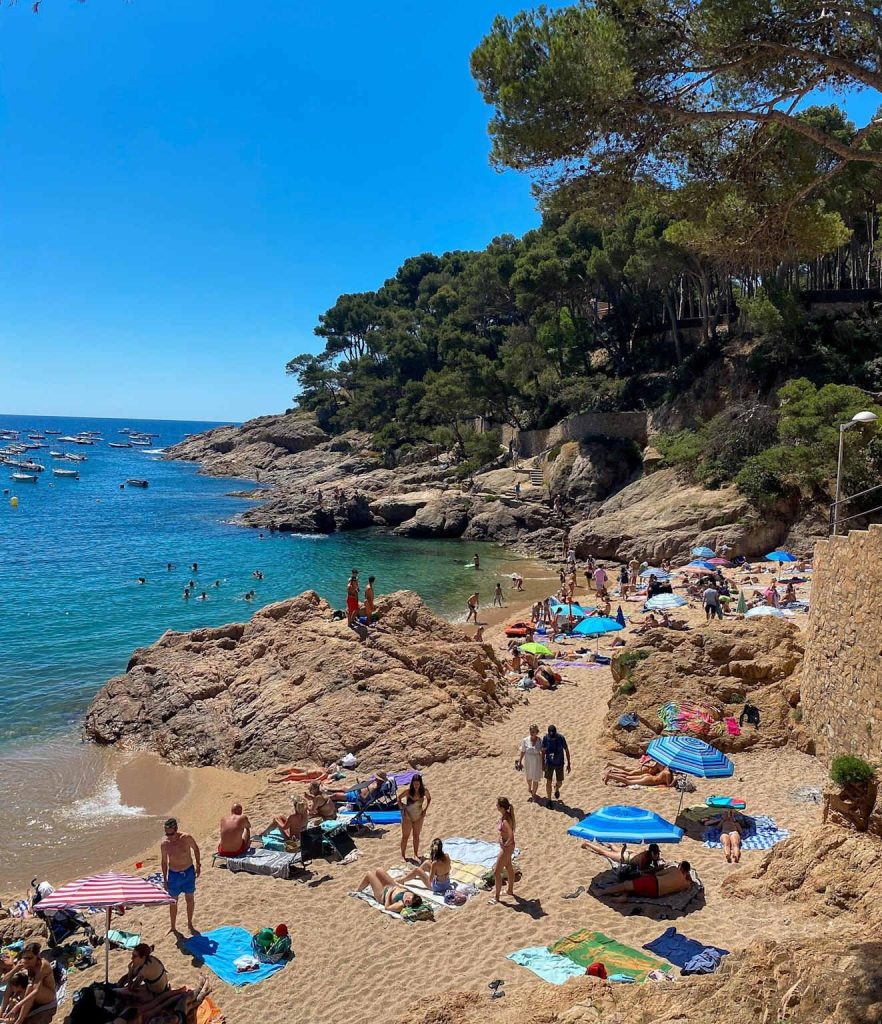
Figure 2: The stunning Costa Brava coastline with turquoise Mediterranean waters and pine-covered cliffs
Spanish Cuisine and Culture
Spanish gastronomy ranks among the world’s finest culinary traditions. The dining culture emphasizes late meals, with lunch typically served from 2-4 PM and dinner rarely beginning before 9 PM. This schedule allows Spaniards to embrace the famous siesta tradition during hot afternoons.
Essential Spanish Dishes
-
- Paella – Spain’s iconic rice dish originating from Valencia, traditionally made with saffron, vegetables, and seafood or meat
-
- Tapas – Small plates meant for sharing, ranging from olives and jamón ibérico to patatas bravas and gambas al ajillo
-
- Pintxos – Basque-style tapas typically served on bread with toothpicks
-
- Gazpacho – Cold tomato-based soup perfect for hot summer days
-
- Churros con Chocolate – Fried dough pastries served with thick hot chocolate for dipping
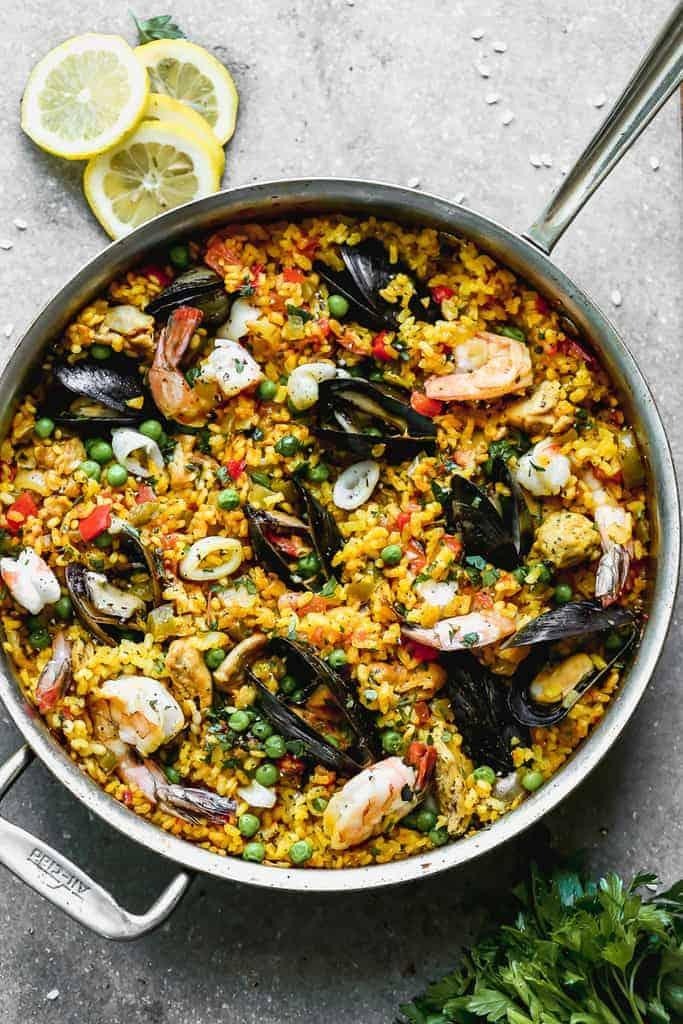
Figure 3: Authentic Spanish paella showcasing fresh seafood, saffron-infused rice, and colorful vegetables
Spain’s wine regions, particularly La Rioja, produce world-renowned vintages. The country is also famous for its cava (sparkling wine), sherry from Jerez, and the refreshing white wine txakoli from the Basque region.
Madrid: The Royal Capital
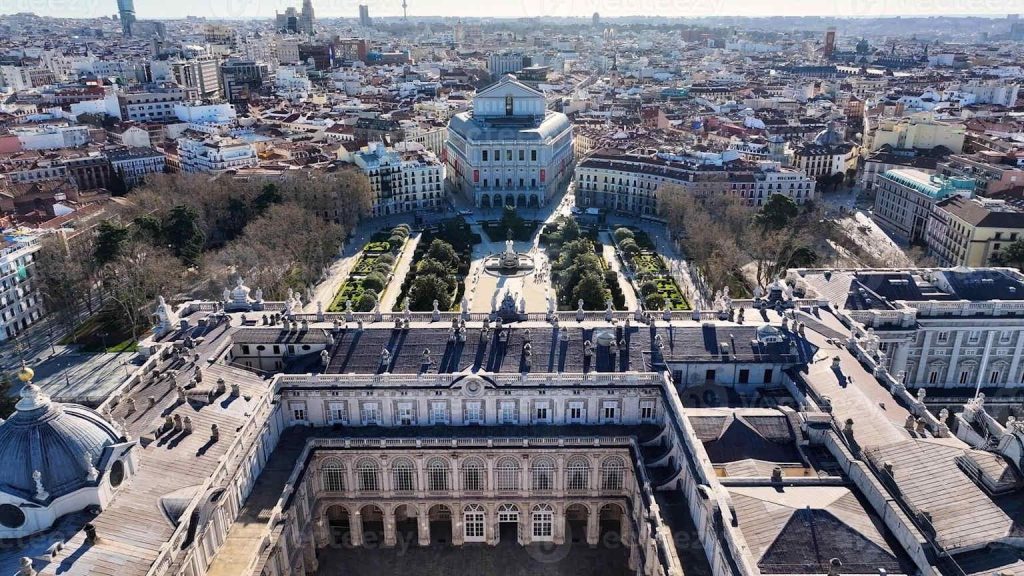
Figure 4: Aerial view of Madrid’s magnificent Royal Palace surrounded by expansive gardens
Madrid, Spain’s vibrant capital, is renowned for its world-class museums, elegant boulevards, and energetic nightlife that extends well past midnight. The city combines regal grandeur with contemporary cosmopolitan flair, making it an essential stop on any Spanish itinerary.
Top Attractions in Madrid
-
- Museo del Prado – One of the world’s largest and most prestigious art museums, housing masterpieces by Velázquez, Goya, El Greco, and other European masters
-
- Royal Palace of Madrid (Palacio Real) – The largest functioning royal palace in Western Europe with nearly 3,500 rooms showcasing opulent interiors and royal collections
-
- Plaza Mayor – A stunning arcaded square dating to the 17th century, surrounded by uniform three-story residential buildings with 237 balconies
-
- El Retiro Park (Parque del Buen Retiro) – A 308-acre urban oasis featuring manicured gardens, the Crystal Palace, a large artificial lake for rowing, and numerous sculptures
-
- Puerta del Sol – Madrid’s bustling central square and the symbolic center of Spain, marked by the famous clock tower that rings in the New Year
-
- Gran Vía – The city’s main commercial thoroughfare lined with stunning early 20th-century architecture, theaters, shops, and restaurants
Madrid Travel Tips
Madrid’s metro system is efficient, affordable, and extensive, making it the best way to navigate the city. The best time to visit Madrid is May and September when pleasant weather allows comfortable exploration of the city’s outdoor spaces without extreme heat.
Madrid’s tapas culture thrives in neighborhoods like La Latina and Malasaña, where bar-hopping (ir de tapas) is a cherished local tradition. The city truly comes alive after dark, with many establishments not opening for dinner until 9 PM and nightclubs operating until dawn.
Barcelona: Where Gaudí Meets the Mediterranean
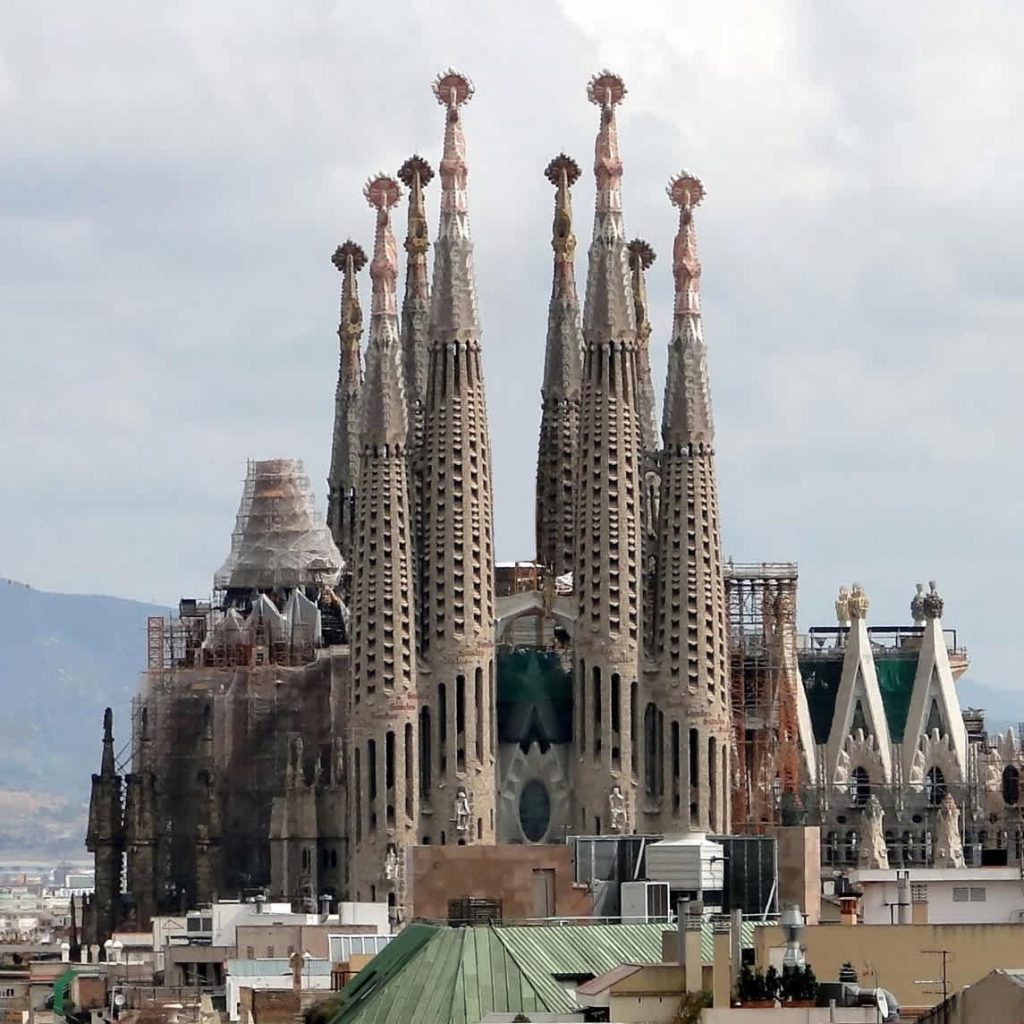
Figure 5: Barcelona’s iconic Sagrada Família, Antoni Gaudí’s unfinished masterpiece and UNESCO World Heritage Site
Barcelona captivates visitors with its unique blend of Gothic and modernist architecture, Mediterranean beaches, and vibrant cultural scene. This Catalan capital showcases the genius of architect Antoni Gaudí while maintaining its historic medieval core.
Must-See Barcelona Attractions
-
- Sagrada Família – Gaudí’s monumental basilica, under construction since 1882, featuring towering spires and intricate facades depicting biblical scenes
-
- Park Güell – A whimsical public park designed by Gaudí, filled with colorful mosaics, organic architectural forms, and panoramic city views
-
- Barri Gòtic (Gothic Quarter) – The city’s medieval heart, a labyrinth of narrow cobblestone streets, hidden plazas, and Gothic buildings dating to Roman times
-
- Casa Batlló and Casa Milà (La Pedrera) – Two of Gaudí’s remarkable residential buildings featuring undulating facades, creative ironwork, and imaginative interior spaces
-
- La Rambla – Barcelona’s famous tree-lined pedestrian boulevard stretching from Plaça de Catalunya to the Christopher Columbus Monument at the waterfront
-
- Museu Picasso – Housing over 5,000 works by Pablo Picasso, this museum offers the most comprehensive collection of the artist’s formative years
-
- Barceloneta Beach – The city’s main beach offering golden sand, Mediterranean swimming, waterfront restaurants, and vibrant beach bars
-
- Camp Nou – Home stadium of FC Barcelona, one of the world’s most successful football clubs, offering tours and match experiences
Barcelona Travel Recommendations
The best time to visit Barcelona is April to June and September to October, when temperatures range from 15-27°C, ideal for combining beach time with cultural exploration without summer’s intense heat and crowds.
Barcelona’s nocturnal lifestyle means restaurants serve late-night meals and bars stay lively well past midnight. The city’s efficient public transportation includes metro, bus, and the historic funicular railway ascending to Montjuïc. Consider purchasing the Barcelona Card for unlimited public transport and museum discounts.
Seville: Heart of Andalusia
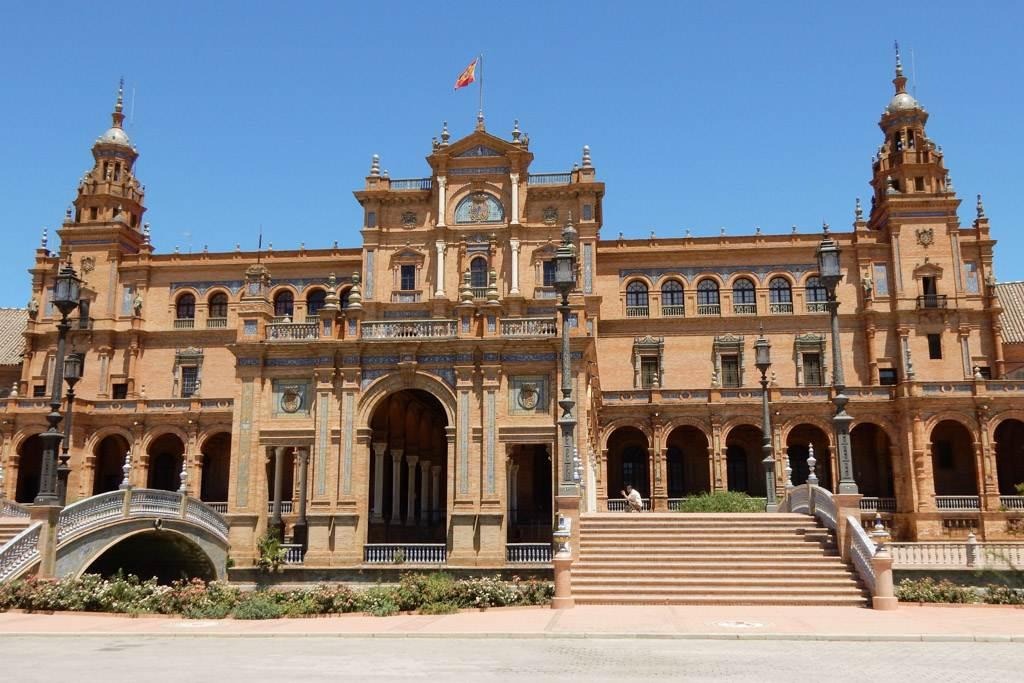
Figure 6: The magnificent Plaza de España in Seville, featuring stunning Mudéjar architecture and ornate ceramic tilework
Seville, the passionate capital of Andalusia, embodies authentic Spanish culture through its flamenco heritage, Moorish architecture, and historic significance. The city’s distinctive blend of European and Islamic influences creates an enchanting atmosphere particularly magical during spring.
Seville’s Iconic Landmarks
-
- Real Alcázar of Seville – A UNESCO World Heritage Site showcasing exquisite Mudéjar architecture, ornate tilework, lush gardens, and royal apartments still used by the Spanish royal family
-
- Seville Cathedral (Catedral de Sevilla) – The world’s largest Gothic cathedral housing Christopher Columbus’s tomb and featuring stunning vaulted ceilings and priceless art collections
-
- La Giralda – The cathedral’s bell tower, originally a 12th-century Moorish minaret, offering panoramic views across Seville’s terracotta rooftops
-
- Plaza de España – A breathtaking semicircular plaza built for the 1929 Ibero-American Exhibition, featuring a canal with rental boats, decorative bridges, and ceramic tile alcoves representing Spanish provinces
-
- Metropol Parasol (Las Setas) – The world’s largest wooden structure, this modern architectural landmark offers 360-degree city views from its elevated walkway
-
- Barrio de Santa Cruz – The former Jewish quarter with winding whitewashed alleys, hidden courtyards, and traditional tapas bars
-
- Torre del Oro – A 13th-century Moorish watchtower along the Guadalquivir River housing a maritime museum
Experiencing Seville’s Culture
Seville is the birthplace of flamenco, and authentic performances can be experienced at intimate tablaos (flamenco venues) throughout the city, particularly in the Triana neighborhood. The city hosts two major festivals: Semana Santa (Holy Week) featuring elaborate religious processions, and the Feria de Abril, a week-long celebration of Andalusian culture with traditional dress, dancing, and festivities.
Seville’s tapas scene is exceptional, with neighborhoods around Plaza de la Alfalfa and Calle Mateos Gago offering authentic local specialties. Try La Malvaloca near the Metropol Parasol for outstanding tapas in a traditional setting.
Valencia: Where Tradition Meets Innovation
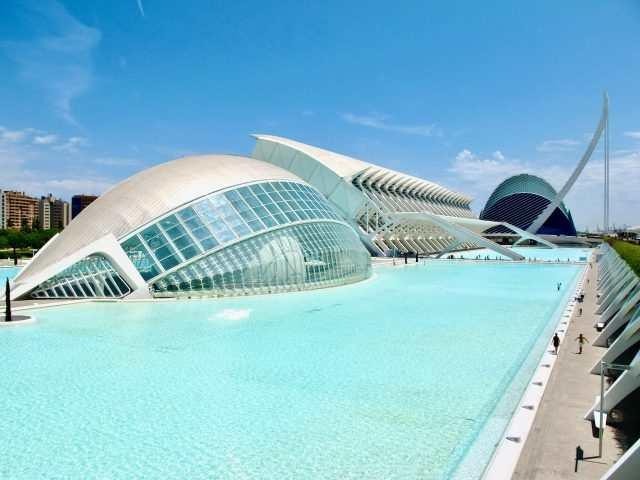
Figure 7: Valencia’s futuristic City of Arts and Sciences, an architectural masterpiece by Santiago Calatrava
Valencia, Spain’s third-largest city on the eastern Mediterranean coast, masterfully balances medieval heritage with cutting-edge architecture. As the birthplace of paella, Valencia offers food enthusiasts an authentic culinary experience alongside cultural treasures and beautiful beaches.
Valencia’s Main Attractions
-
- City of Arts and Sciences (Ciudad de las Artes y las Ciencias) – A futuristic complex designed by Santiago Calatrava featuring six stunning buildings including an opera house, science museum, planetarium, and Europe’s largest aquarium
-
- Valencia Cathedral – A Gothic cathedral claiming to house the Holy Grail, featuring a mix of architectural styles and the Miguelete bell tower offering city views
-
- La Lonja de la Seda – A UNESCO World Heritage Site, this 15th-century silk exchange represents Valencia’s medieval commercial prosperity with stunning Gothic architecture
-
- Central Market (Mercado Central) – One of Europe’s largest and most beautiful markets, housed in a modernist building with over 300 stalls selling fresh produce, seafood, meats, and local delicacies
-
- Turia Gardens – A nine-kilometer park created in a former riverbed, offering cycling paths, playgrounds, sports facilities, and green spaces connecting the city to the sea
-
- Playa de la Malvarrosa – Valencia’s main urban beach featuring golden sand, clear Mediterranean waters, and a promenade lined with paella restaurants
-
- Barrio del Carmen – Valencia’s historic old town with medieval walls, narrow streets, trendy boutiques, street art, and vibrant nightlife
Valencia Experiences
Valencia is synonymous with paella valenciana, and the authentic version traditionally contains rabbit, chicken, green beans, and butter beans, not seafood. The best paella restaurants are found along Playa de la Malvarrosa, where locals enjoy this rice dish for Sunday lunch.
The city hosts Las Fallas in March, Spain’s most explosive festival featuring enormous artistic sculptures (fallas) paraded through streets before being burned in spectacular bonfires, accompanied by fireworks, parades, and traditional festivities.
Valencia’s compact old town is easily explored on foot, while the city’s bike-sharing system provides an excellent way to traverse the extensive Turia Gardens.
Practical Travel Information
Getting to Spain
Spain is well-connected internationally through major airports in Madrid (Adolfo Suárez Madrid-Barajas), Barcelona (El Prat), Valencia, and Seville. High-speed AVE trains link major cities efficiently, with Barcelona to Madrid taking approximately 2.5 hours.
Transportation Within Spain
-
- High-Speed Rail (AVE) – Connects major cities quickly and comfortably; advance booking offers significant savings
-
- Metro Systems – Madrid, Barcelona, Valencia, and Seville all have efficient metro networks
-
- Buses – Companies like ALSA provide extensive intercity connections at budget-friendly prices
-
- Car Rental – Recommended for exploring rural areas, Costa Brava, or Andalusian white villages
Essential Spain Travel Tips
-
- Embrace the schedule – Shops close for siesta (2-5 PM), dinner service starts around 9 PM, and nightlife peaks after midnight
-
- Learn basic Spanish – While English is spoken in tourist areas, locals appreciate efforts to speak Spanish
-
- Tipping customs – Not obligatory but appreciated; rounding up bills or leaving 5-10% is common practice
-
- Book popular attractions ahead – The Alhambra in Granada, Sagrada Família, and Prado Museum often sell out
-
- Stay hydrated – Summer temperatures can exceed 40°C (104°F) in inland cities
-
- Try regional specialties – Each region has distinct cuisine; don’t miss local wines, cheeses, and traditional dishes
-
- Respect siesta time – Many businesses close 2-5 PM; plan museum visits or meals during these hours
Language and Communication
Spanish (Castellano) is the official language, though regional languages include Catalan (Barcelona and Valencia region), Basque (northern Spain), and Galician (northwest). English is increasingly common in tourist areas and among younger generations.
Safety and Health
Spain is generally a safe destination for travelers. Standard precautions against pickpocketing should be taken in crowded tourist areas and on public transportation, particularly in Barcelona and Madrid. Spain has excellent healthcare facilities, and EU citizens should carry a European Health Insurance Card (EHIC).
Spain offers an extraordinary diversity of experiences that cater to every type of traveler. From Madrid’s royal grandeur and world-class museums to Barcelona’s architectural wonders, Seville’s passionate flamenco culture, and Valencia’s culinary excellence, each city presents a unique facet of Spanish identity. The combination of 45 UNESCO World Heritage Sites, Mediterranean beaches, vibrant festivals, legendary cuisine, and warm hospitality makes Spain an unforgettable destination that beckons visitors to return again and again.
Whether you’re seeking cultural immersion, beach relaxation, artistic inspiration, or gastronomic adventures, Spain delivers with passion and authenticity. Plan your visit during the shoulder seasons, embrace the late-night lifestyle, and prepare to fall in love with one of Europe’s most captivating countries.